Gophers

Gopher mound
When we first walked the fields of our farm last winter, we noticed mounds and holes in the ground and we thought: moles and voles. That was what we had on Sauvie Island and they are pretty common, so of course, we would have them here. It wasn’t until late winter that I noticed something new pop up; a large mound, with a big hole at the top, that almost looked like a volcano. I was hoping it wasn’t what I thought it was: gophers. It was gophers. They started slowly, but pretty soon, those mounds were popping up all over.

The gophers got this section of peas
We went ahead with our field preparations and planting and waited to see what would happen. It didn’t take too long before holes appeared in our newly tilled and planted fields. It wasn’t too bad at first, not too much damage to the plants. But, it kept getting worse. When patches of peas and kale got wiped out, I knew we had to do something.
Luckily, I had a tool. Several years ago, I bought a Rodenator. We didn’t end up using it much on Sauvie Island, as it is quite loud and our neighbors were close by. Now, the noise is not an issue and we are ready to put it to use. The Rodenator sends a mixture of oxygen and propane down the tunnel of a burrowing animal and then ignites it for a small explosion. The force of the explosion kills the animals in the tunnel/burrow.

Not the best pictures, but the Rodenator is in there, next to the blue tub.
Last week, Steven’s dad came out to help and gave the Rodenator a try. We are waiting to see what happens next, if it will make a difference. We know it will take a continuous effort with the Rodenator to keep the gophers under control, but I hope it really does work!
Rain
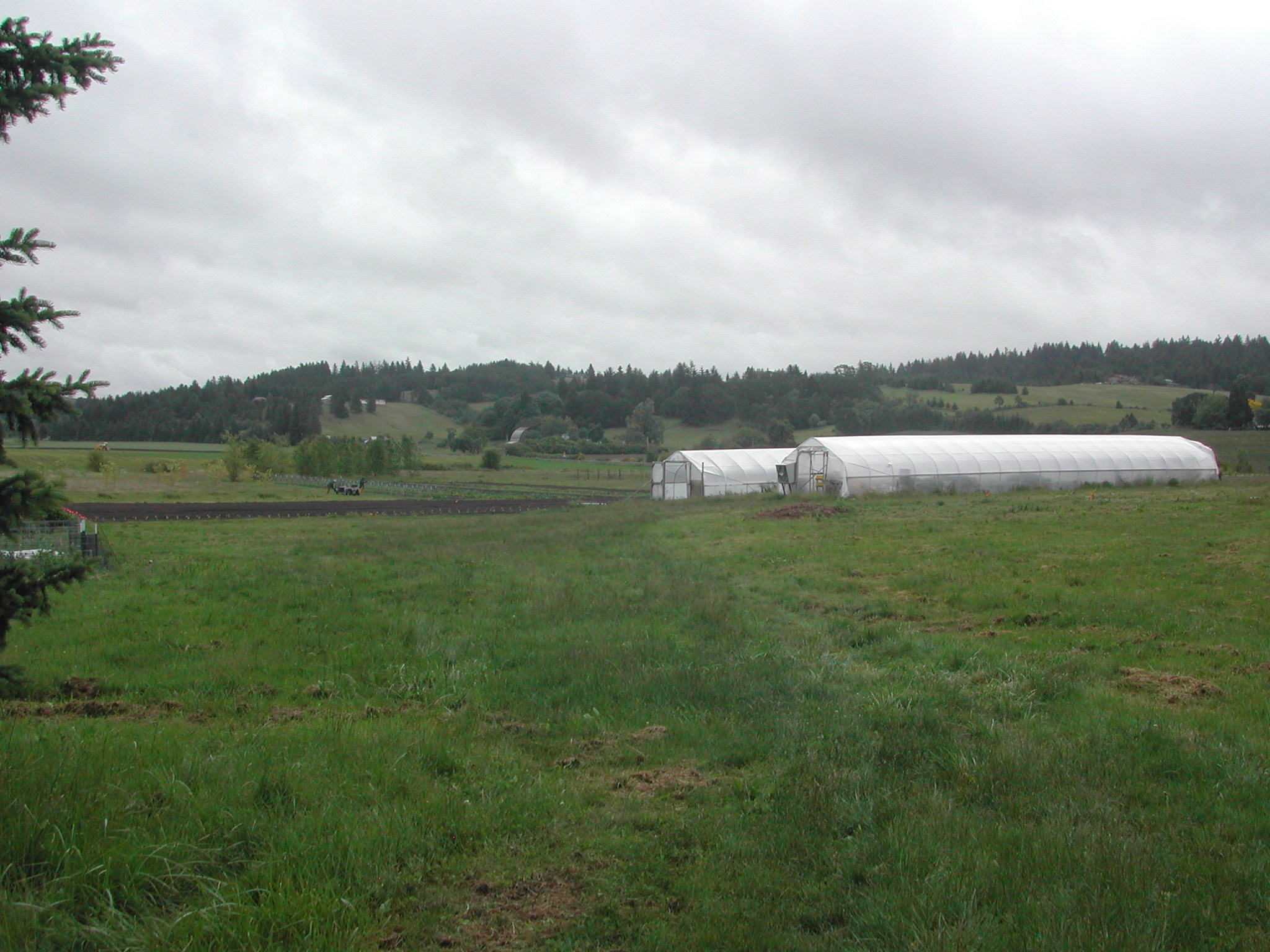
The farm on a cloudy, wet day, though not raining at the moment.
Rain, rain, rain. It looks like our weather patterns are back to normal after a beautiful, warm and dry first half of spring. Accuweather shows the rainfall for May is just above average and we may still get a little more (it is sprinkling right now here). Not that the rain is a bad thing; the crops (and weeds) are doing fine in the rain, though a little warmer would be nice. I just got a little spoiled by the sun. Most of the work on the farm is easier when it is drier; weeding, especially. I did a little wheel hoeing on Sunday. It was working alright, as it wasn’t too wet, but I did have to stop and clean the dirt off the blade several times. I don’t have to do that much, if at all, when it is dry. I can still plant in the rain, if the beds are ready, though I am cautious about compacting the soil around the plants. If it is too wet, I’d rather wait. I did get some more onions out this past week, as well as the summer squash ( a few weeks later than I planned…I am still behind in planting).
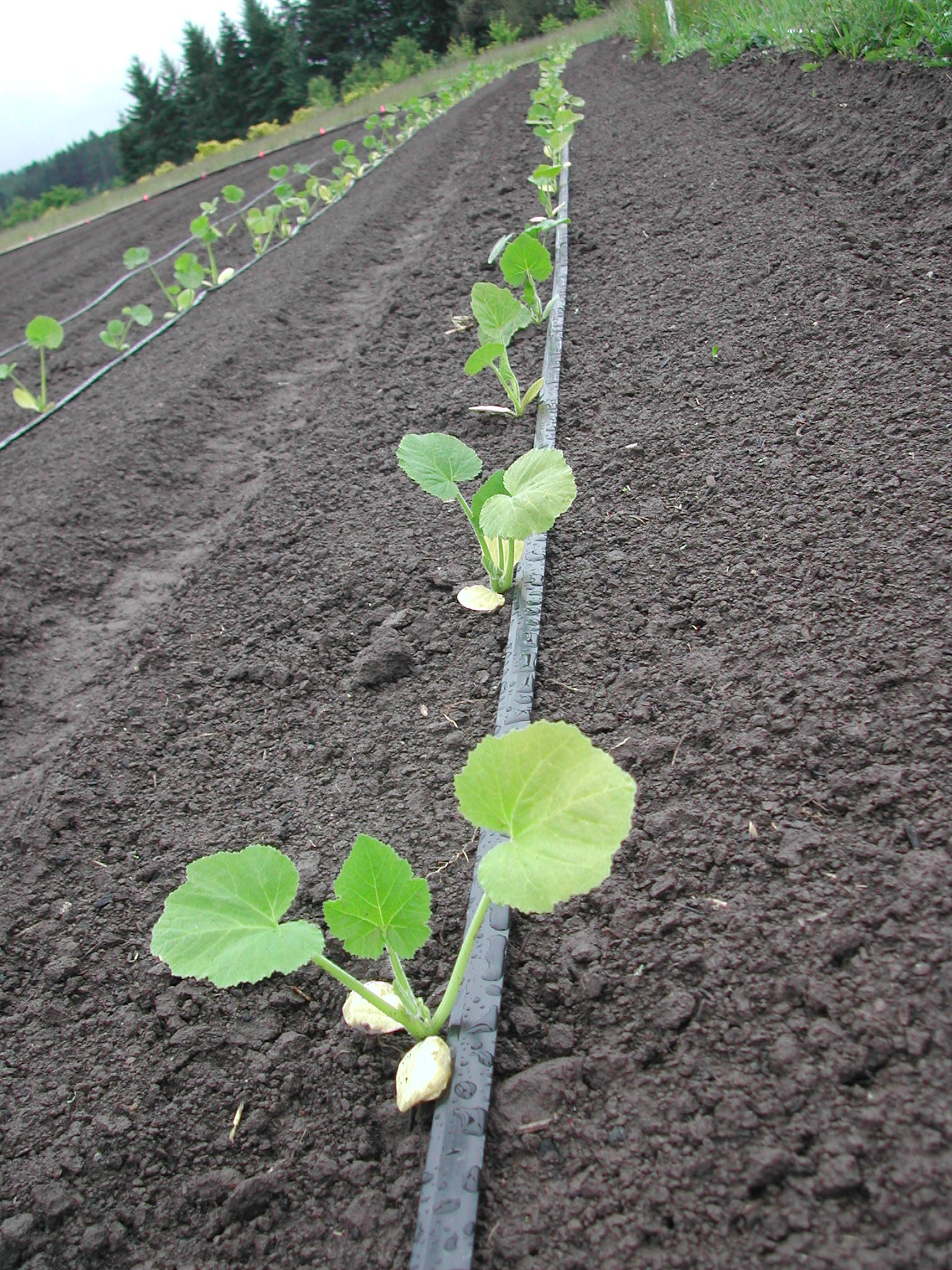
The summer squash are in.
The inside work on the farm is a lot easier to do when it is raining, especially the computer work. I like to work in the hoop houses in the rain, as it is warm and dry, but not too hot. Those hoop houses can really heat up in the sun. I took advantage of that this past week, and worked on preparing the beds for the peppers, as they are about ready to be planted now. The clouds and rain were perfect for the first two harvests, as most of my crops were inside one hoop house and in the other hoop house, the packing area didn’t get too hot. I think a little rain on Wednesday, for this week’s harvest, would be just fine.

The Swiss chard is just about ready
The Season Begins
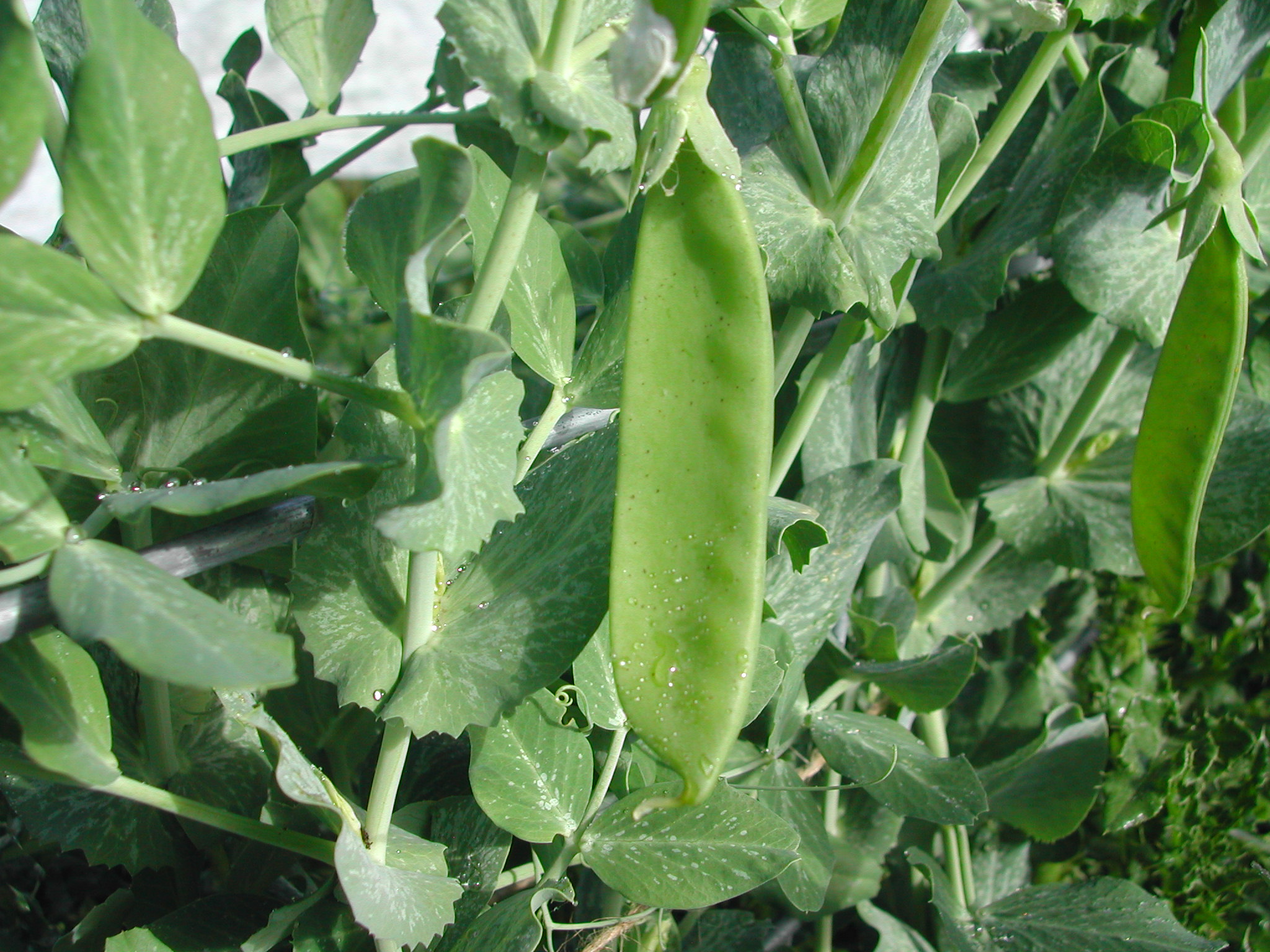
Snow peas are coming
I wasn’t quite ready for it yet. I am not sure how it sneaked up on me. I guess I was too certain the season would start later than usual, instead of earlier. I made the first harvest and delivery of the season last week. Two weeks earlier than usual. All the dry, warm spring weather had something to do with it, along with the hoop house. Everything I harvested was growing in the hoop house.
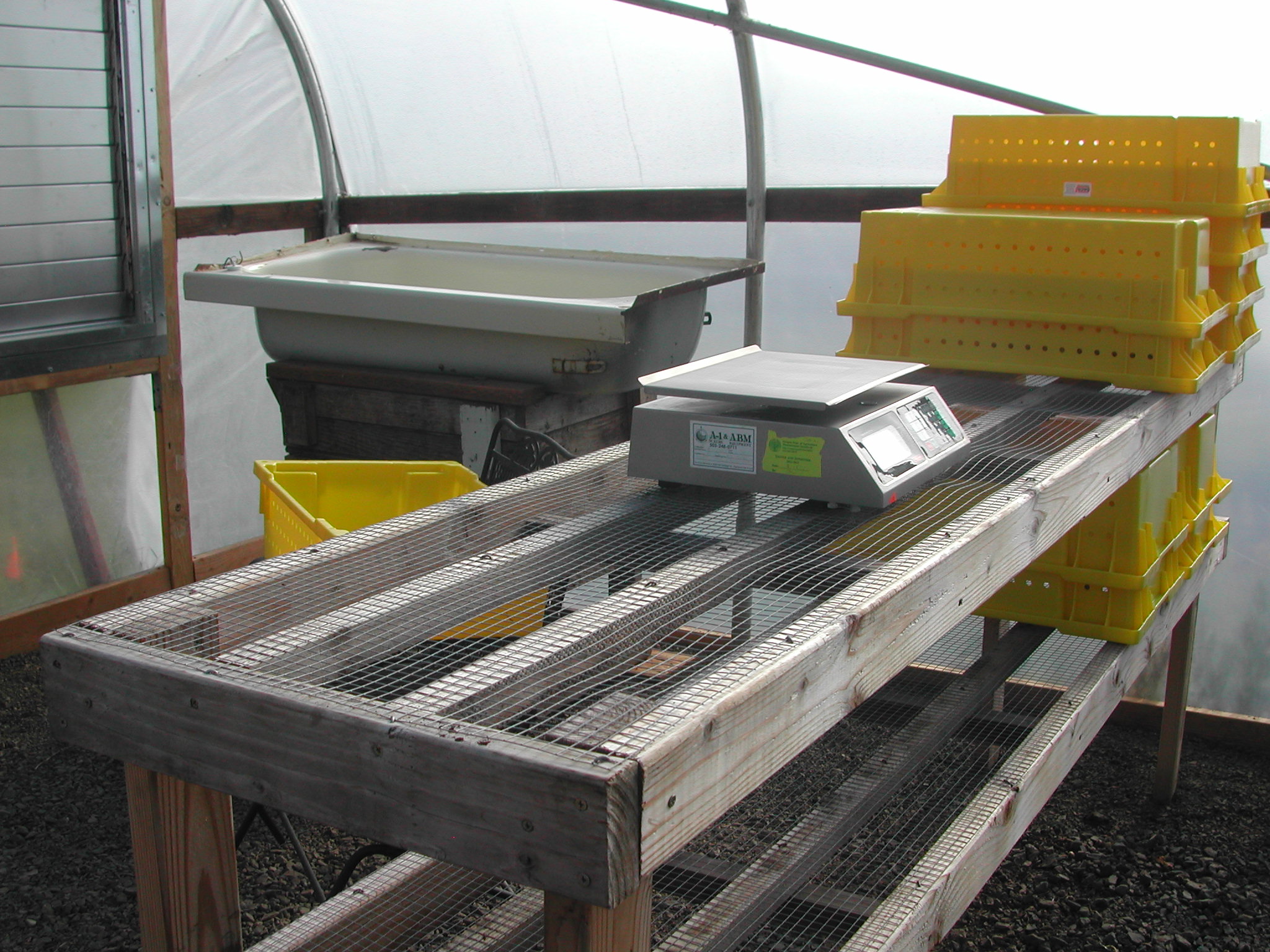
The new packing area
In preparation for the first harvest, Steven and I put together a packing area in the propagation hoop house. The previous owners left behind a nice old bathtub for washing and dunking produce. Along with the tables Steven built a couple years ago and the harvest bins and scales I bought last year, I have a good start. A few more storage shelves and some shade cloth to go over the hoop house and I’ll be set for the season.
The rest of the week was filled with planting, field prep and weeding. The last round of peas went in on Tuesday (along with the trellising) and Friday. Over the weekend, we spread fertilizer (blood and feather meal for nitrogen, gypsum for sulfur) and amendments (lime to raise the pH) and did the final till so our second field is ready to plant. Then to the weeding…
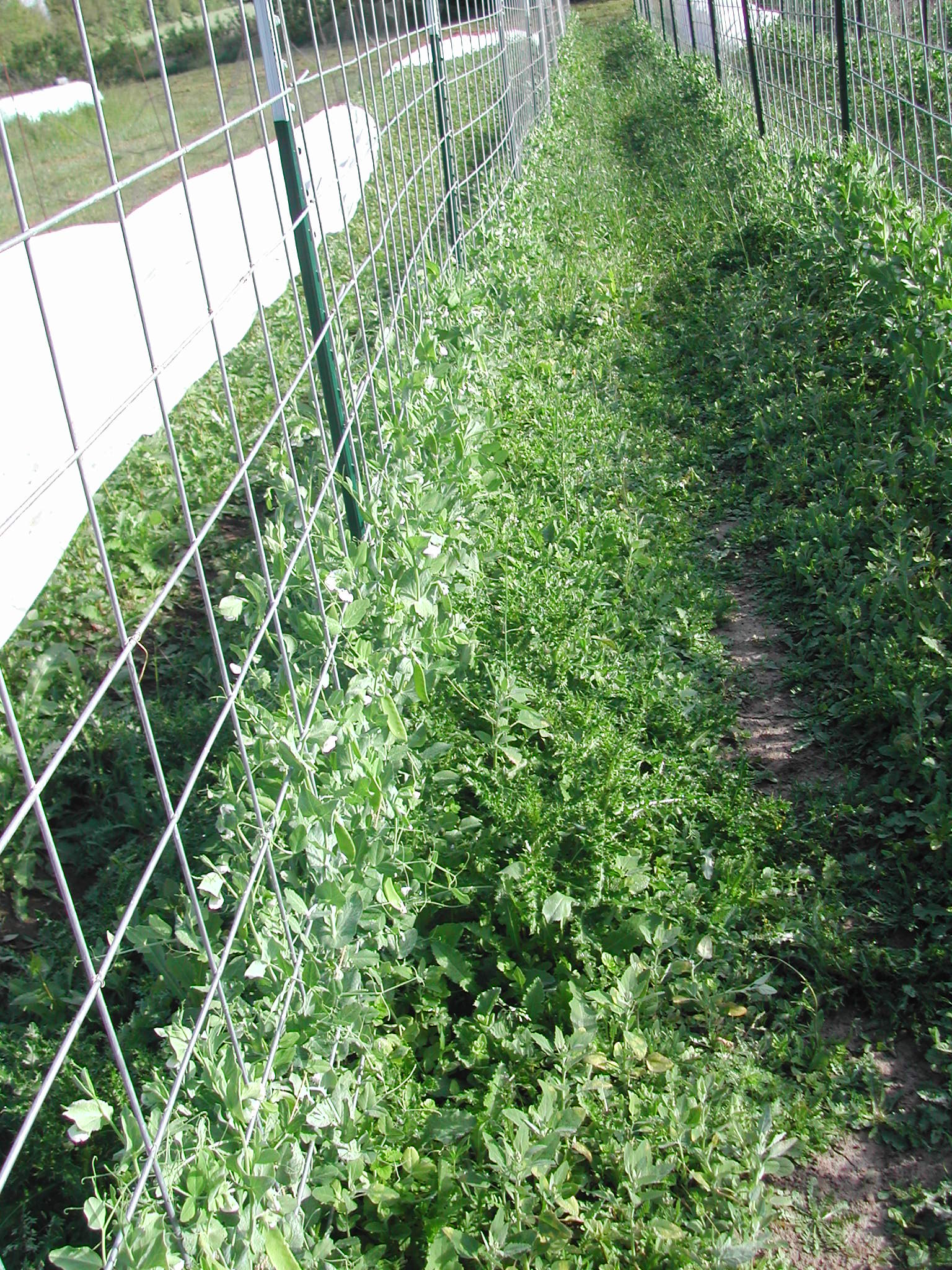
Yikes! I need to pull some weeds!
I have been neglecting weeding so far, mostly because I am still not caught up on planting. Luckily, with the dry weather, the weeds haven’t been outrageous, but with a few sprinkles and irrigation, they are coming. We have discovered we have a good stand of Canada Thistle. I researched a bit, and the best I found that we can do to stay on top of it is to wear it down. Canada Thistle has a horizontal root, that sends up shoots. Even a small piece of root will send up a shoot. That horizontal root can be pretty deep, making it near impossible to get out, which is why you try to wear it down. Thistle can store a lot of energy in its root, but in the late spring and summer, the reserve is at it’s lowest point. That’s when you hit it, tilling or hoeing or pulling the plants, making it use up more energy to send up a new shoot, before it has a chance to rebuild the reserves. It can take several seasons of diligence to wear it down.
So I am off to weed the peas. Snow peas are coming…
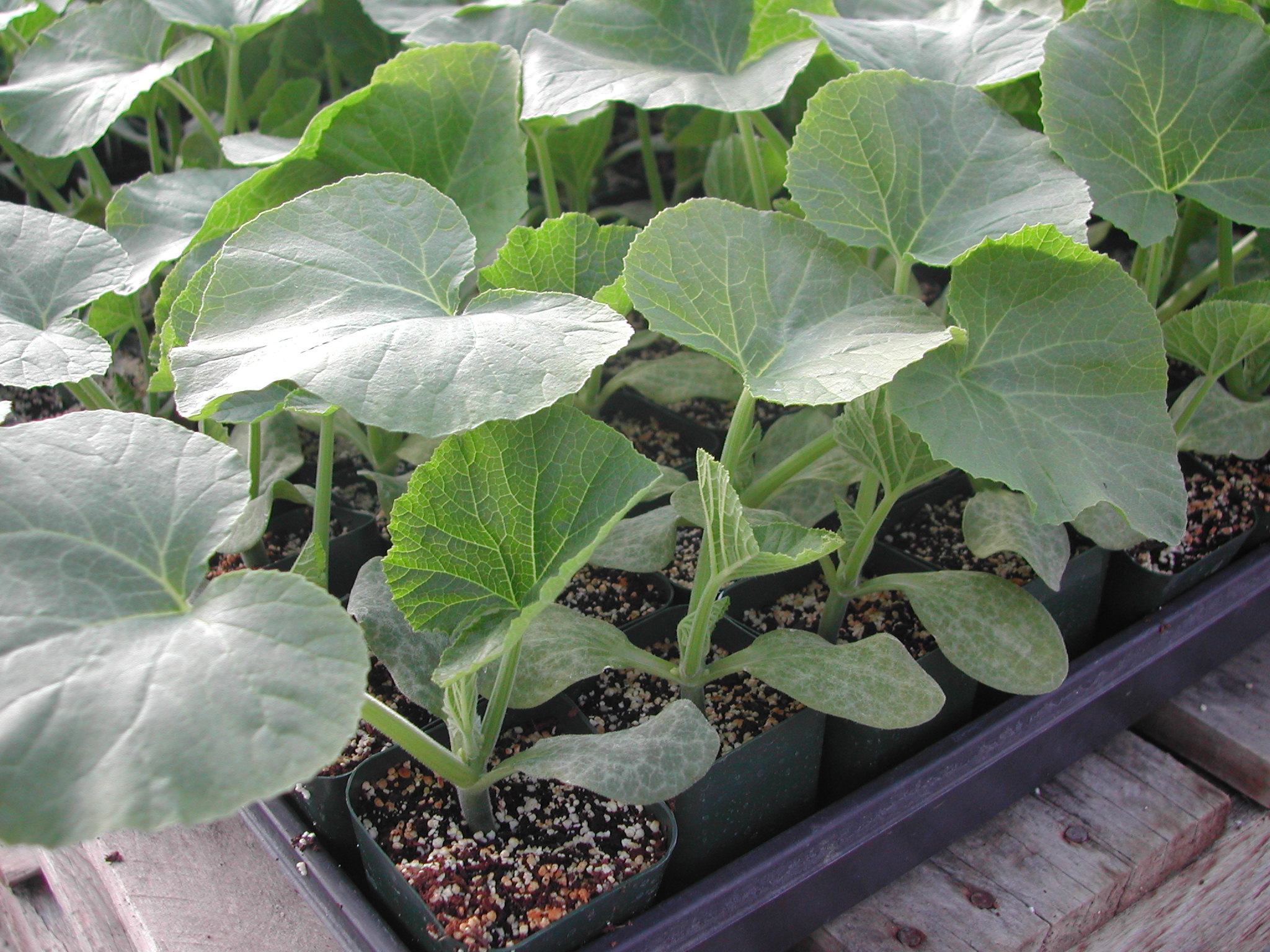
And winter squash are ready to plant out…
And More Planting
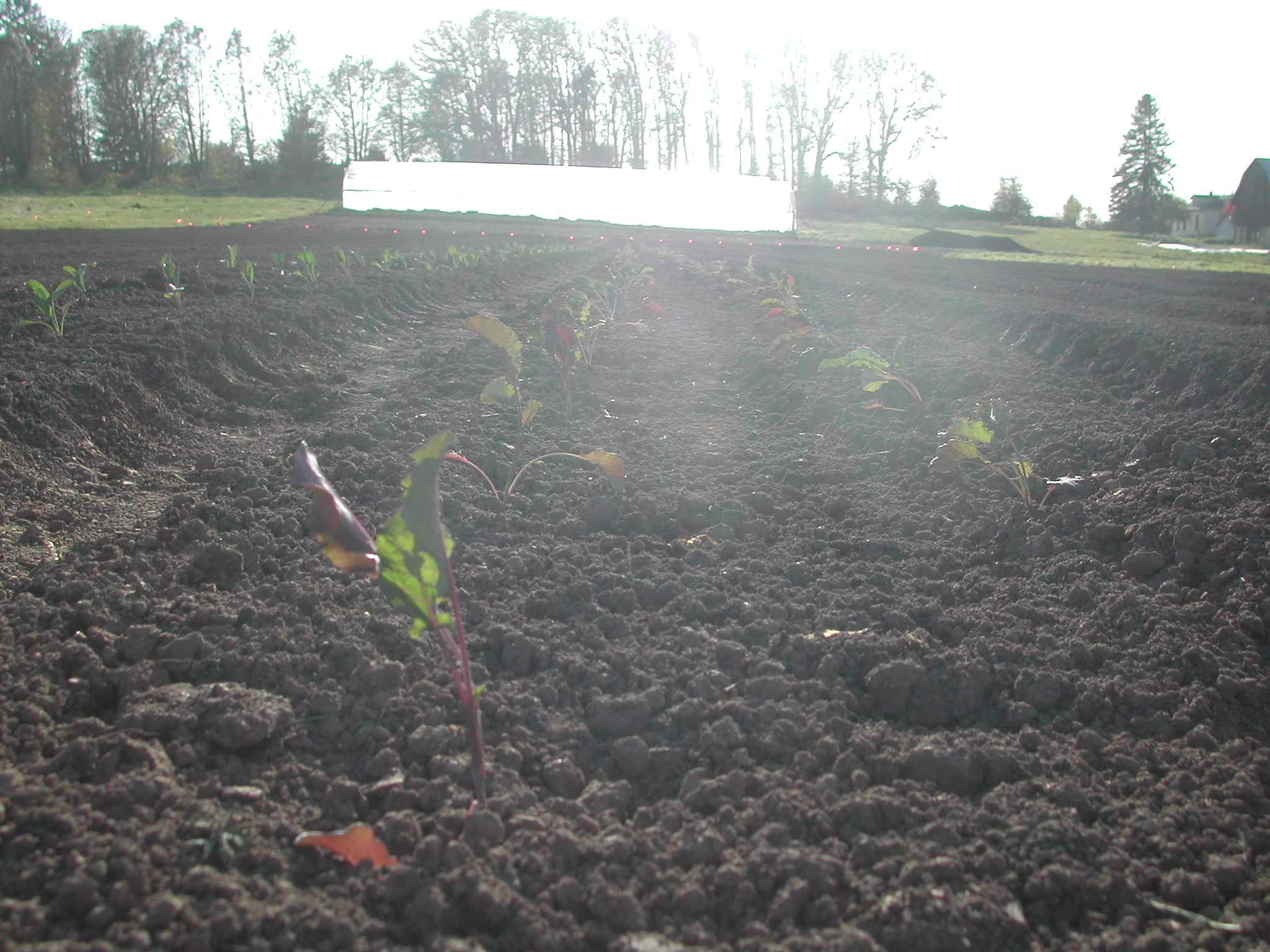
Kale in the first beds planted in the main field
It has been nearly a month since I last posted, and I am still trying to catch up on planting. We got our first main field ready that weekend in mid-April and the planting really got going. Kale, chard, cabbage, kohlrabi, the second planting of peas, beets, onions, lettuce, fennel, potatoes, and carrots are all in the ground now. I still have more onions, leeks, more peas, more lettuce, more carrots, and beans to go into the first main field. Then, it is on to the second main field and the warmer weather crops. I did get the tomatoes out this weekend, in the smaller field, the earliest I think I have ever put tomatoes out.
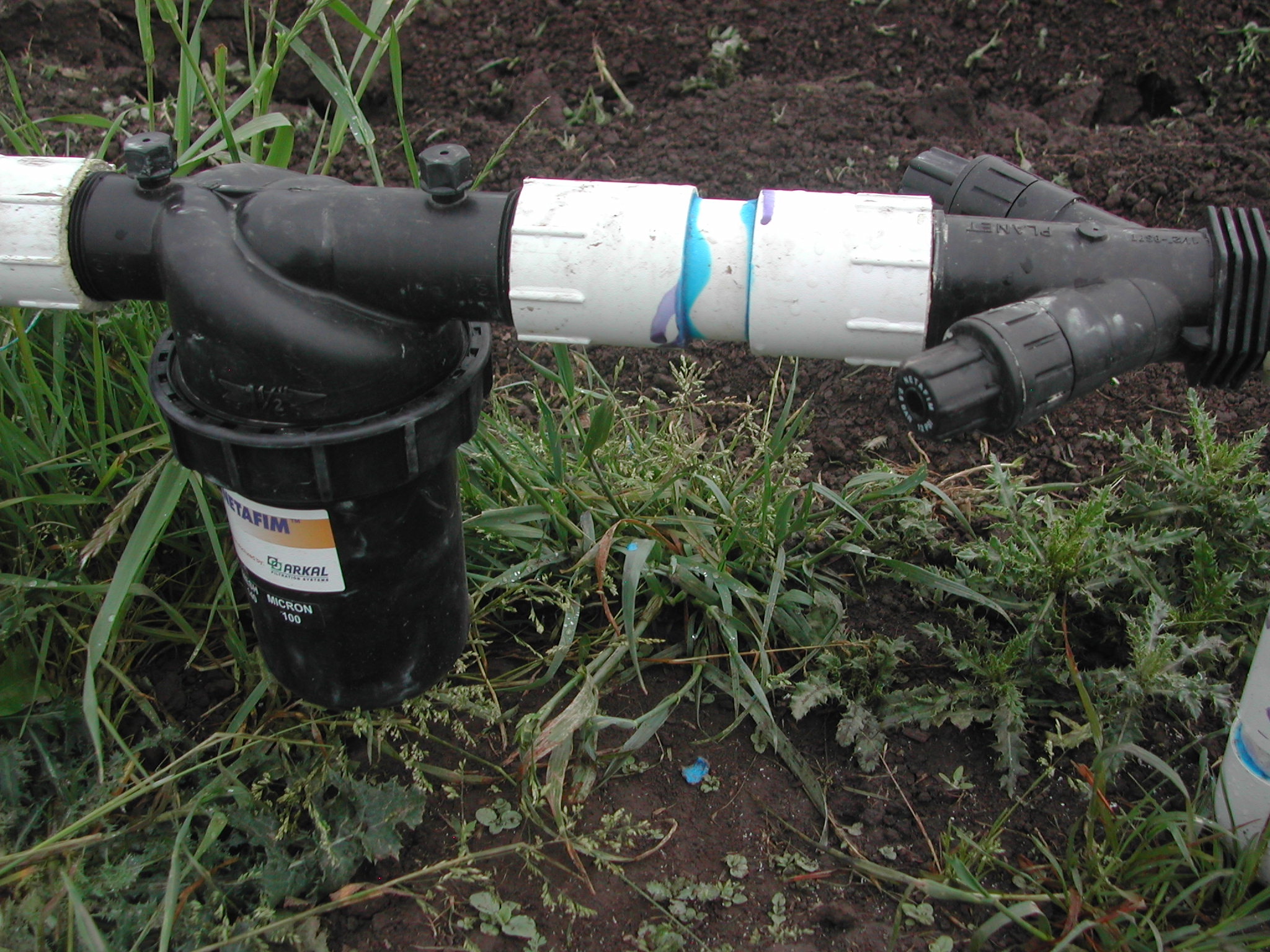
Filter and pressure regulator for the temporary main field irrigation
The weather has been incredible, hasn’t it? When has the spring ever been this dry? Maybe the last few years are clouding my memory, but I think this must be a record for the least amount of rain in a spring. With so little rain, we have had to hurry to get irrigation going. The farm had some infrastructure/pipes in place, and we chose our fields to be near that infrastructure, but there was still a lot to purchase and set up. I put together a short term temporary system, with parts we brought with us and a few garden hoses. Luckily, through the recommendations of a few people, we found Saffron Supply Company, an old Salem hardware store, where we can get the supplies we need. Just this weekend, Steven finished putting together our temporary system, that may serve us a few years until we put in a whole new system of pipes to go with our long term field plan for the farm. That project will be huge.

Flea beetle damage on the purple mizuna
And while I am loving this amazing weather, it has revealed something important: a few of the pests I will be dealing with in the future. I had been watching some of the greens I put in the hoop house for flea beetle, a common pest for arugula, mizuna and bok choi. Then, the main field was ready and I started planting. The weather got a little warmer, too. I wasn’t watching so closely and the flea beetle popped out. They damaged the arugula, purple mizuna and bok choi before I noticed them. I should have had the beds covered with row cover, to keep the beetles off the plants. Too late now, but I’ll know better for next time.

Western Spotted Cucumber Beetle on the chard
I have also noticed cucumber beetles are out. I wrote about them last year, in my greens, here. They are at it again, really getting into the chard this year. The numbers are not huge, so I am hoping the plants will outgrow them while I get some flowers out that should attract beneficial insects that will prey on them. As I research what else I can try, I’ll just keep squishing the ones I find.
While this warm, dry weather has made for ideal conditions for some pests, it has also put at least one away for the time being: slugs. During the winter, I was pretty concerned about the slug population I was seeing. Lots and lots of slugs. But,they don’t like to come out when it is dry, so there has been virtually no damage from slugs. There is a silver lining.

Not everything is getting eaten by insects… a beautiful new (to me) variety of lettuce: Cardinale
Planting
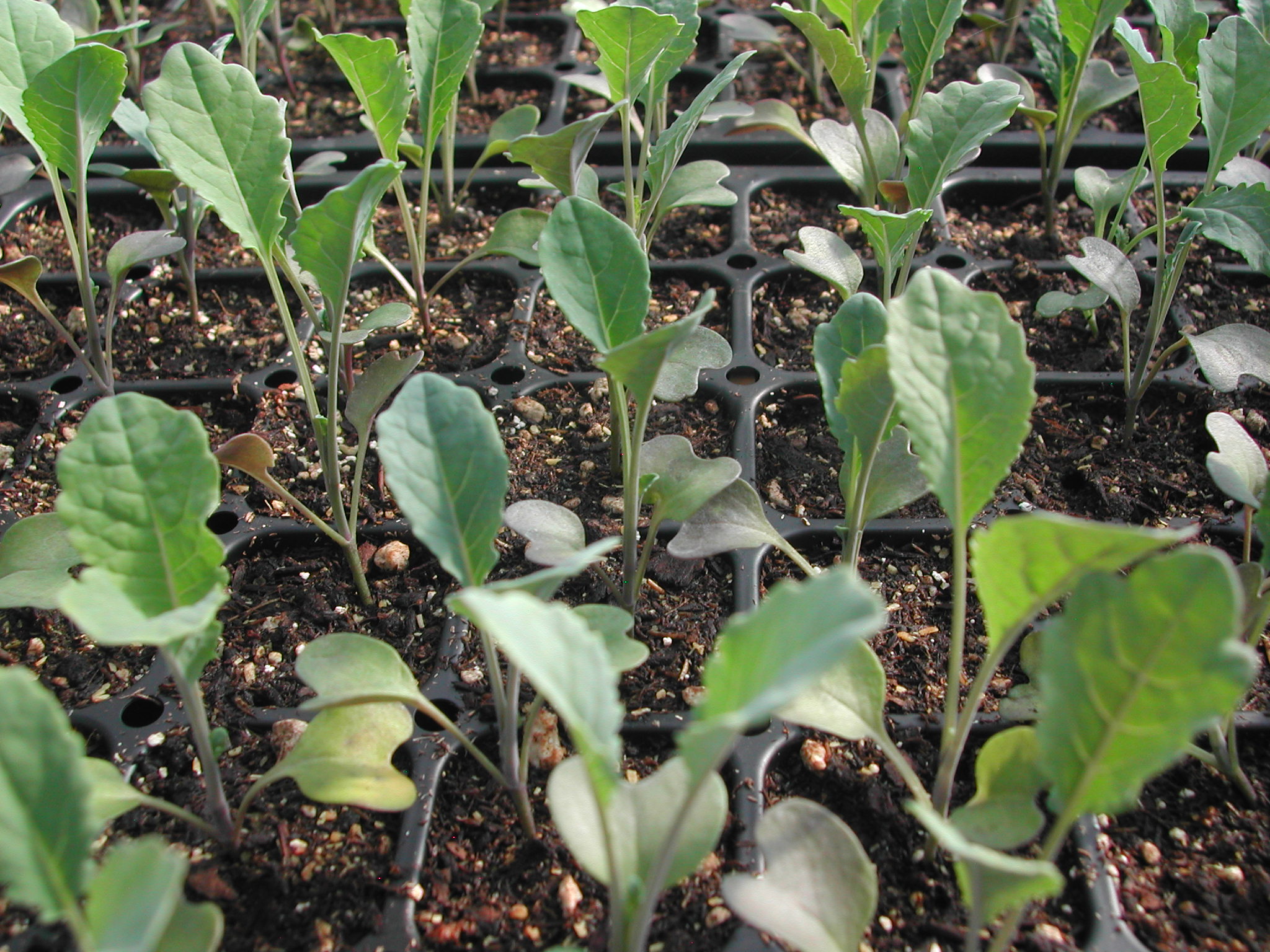
Kohlrabi starts several weeks ago; they are much bigger now
The planting has begun! I am off to a late start this year…late getting started with seeding in the propagation house and late getting starts and seeds into the ground. I had scheduled to start my first seeds the the week of January 28, beginning with onions. A week later, I planned to seed leeks and the next week, kale, cabbage and kohlrabi. Instead, I started my first seeds on Feb 26. I caught up that week and am on track now in the propagation house. Honestly, I am not sure how much of a difference it will make in the end, because starting my seeds in the propagation house, in natural light, instead of in my basement under fluorescent lights, has made an incredible difference. My starts are beautiful and healthy and strong. In the past, my first seedings of lettuce have almost always failed. This year they did great and are now in the ground, growing. With the weather we are having this spring, everything may be ready just as soon as if I had started them earlier. Or at least, almost everything.

The pea starts are more than ready to plant
The peas also got a late start. I started my peas inside, in the propagation house. I get better germination that way, than starting them out in the ground, besides the fact that I usually can’t get the soil prepared for planting early enough. This year, I started them two weeks late. Then, I had to wait a week or two longer than planned to get them in the ground. I had planned to put them in the other hoop house, where they would grow faster under protection from the elements, but we didn’t have it ready yet. Instead, one small field was dry enough to till and didn’t need much in terms of amendments and fertilizer, so I started there. I planted the pea starts the first week of April. Since they are outside, I am guessing it will be a bit longer than previous years before they are ready.

Setting up the cattle panel trellis

A rubber mallet and a post driver
One note on the peas: I use cattle panels to trellis the peas. I put up the cattle panels by myself, which is not very efficient. It would have been much faster, if I could have waited for the weekend and Steven’s help. But, since I wanted to get the peas in the ground, I didn’t wait. As I was pounding T-posts into the ground to hold up the cattle panels, my arms getting very tired, I remembered seeing a tool somewhere around the farm that is used to put posts in the ground. After looking around and calling Steven to see if he remembered where it was (he did), I found it. This tool, a post driver, was left here when we bought the farm and, boy, did it save my arms. It was so much easier and faster to get the T-posts into the ground. I wish I had looked for it sooner, because my right elbow is still sore, two weeks later, from all the pounding.
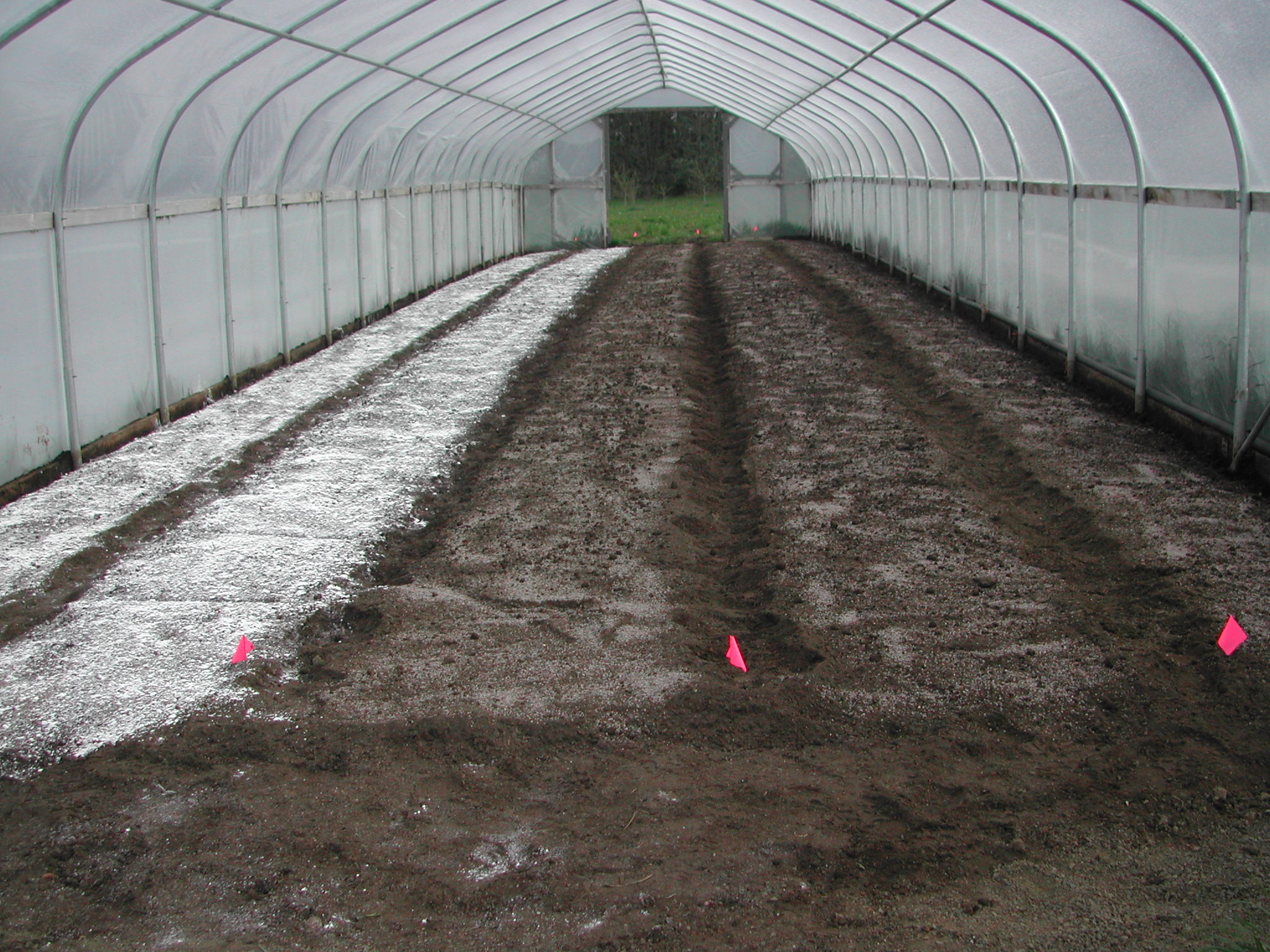
The hoop house is ready to plant. That is gypsum on the beds: powdered on the left and pelletized on the right.
The weekend after the peas were planted, Steven and I got the hoop house ready for planting. Since the peas that were supposed to be in the hoop house were already planted out, I did a little rearranging of my planting plan. Last week, I planted lettuce, mizuna, purple mizuna, bok choi, endive, spinach and arugula in the hoop house. Next up are our main fields, which are almost ready. I am hoping this weekend, the last amendments and fertilizers will be spread and the first big field will be ready to plant.
I can’t believe how fast the days are flying by this spring! But, perhaps, with the good weather, the late start won’t matter too much after all, and I’ll still start harvesting in the beginning of June.

Spinach in the hoop house.
Tractor!
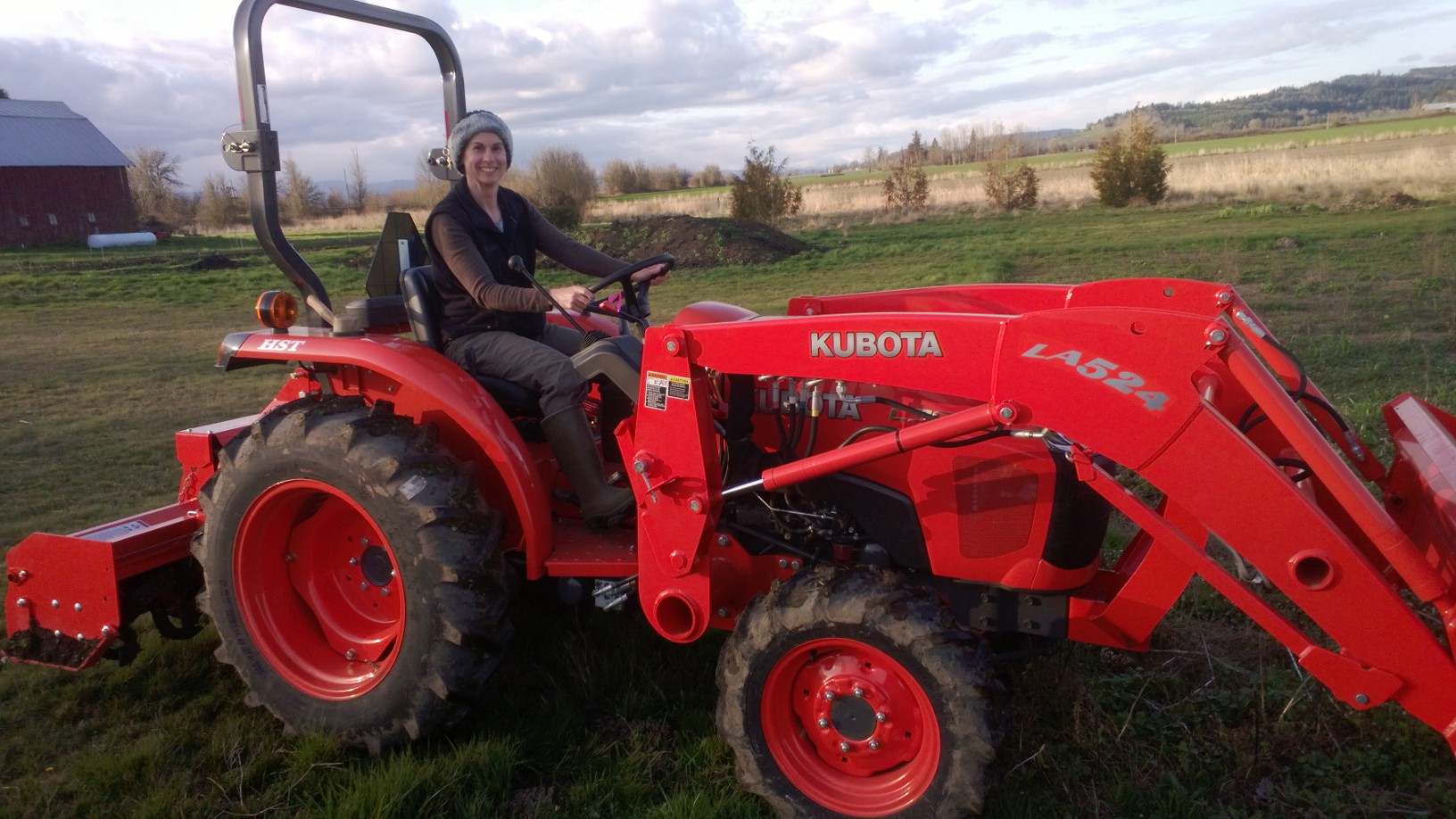
The new Kubota L3800 tractor (the LA524 is the front loader).
About three weeks ago, we made our first major farm purchase, not counting the farm itself: a tractor! Our very first tractor! I know pretty near nothing about tractors, so when I visited three local tractor dealers, I learned all I could. Here are a few things the dealers told me about tractors:
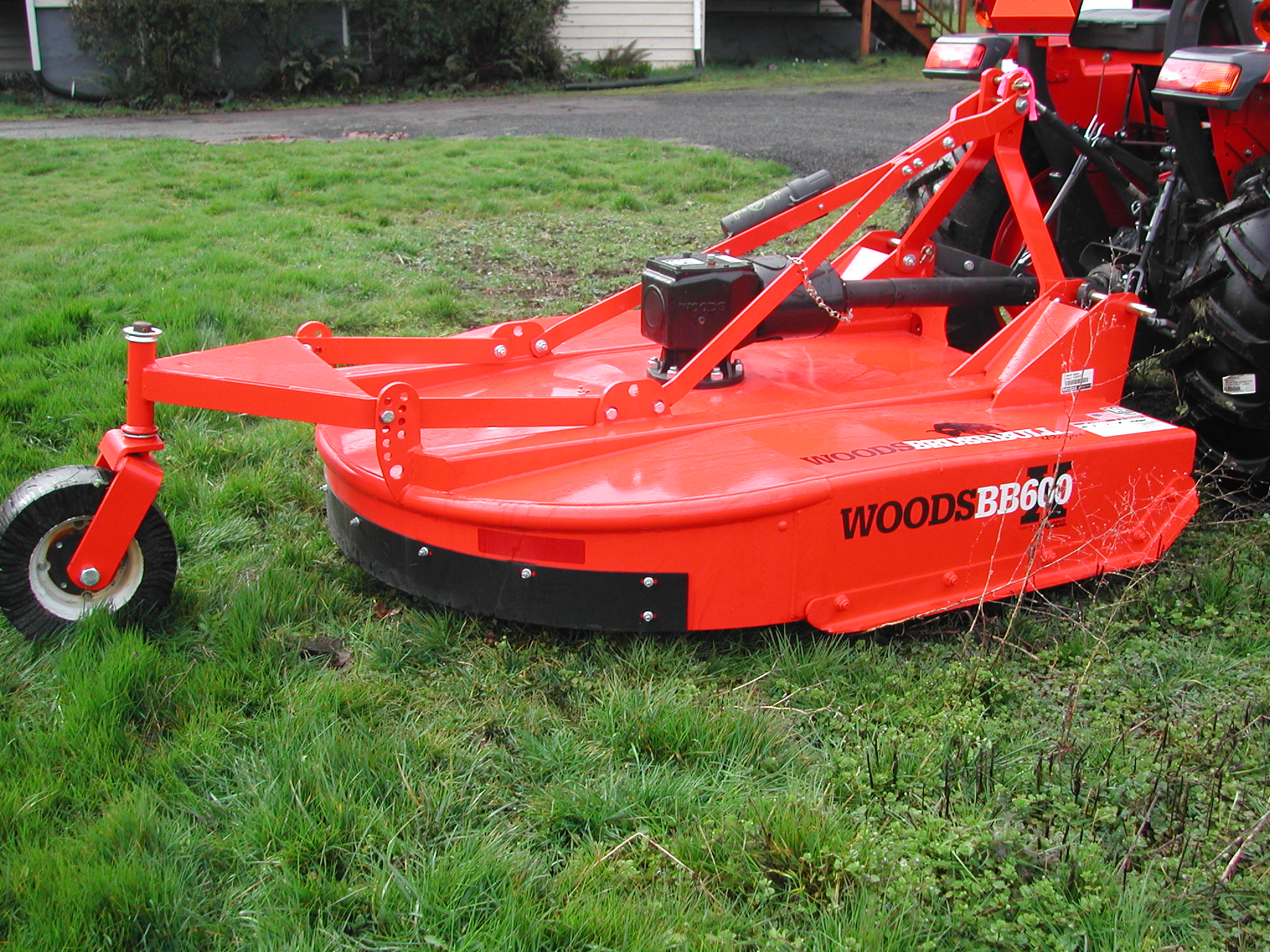
The Woods Brushbull rotory cutter
Tractors are know by their paint color. The three major colors are green (John Deere), orange (Kubota) and red (Case IH or Massey Ferguson). You can get a geared (manual transmission) tractor or a hydrostatic one (automatic transmission). There are agricultural tires and industrial tires. The horsepower of the tractor is greater than the horsepower of the PTO (power take off), which is what powers the implements you attach to the tractor to do different jobs. And implements!! There are tons of them out there that can do almost anything you want.
After sorting through the information I gathered and talking with a few other farmers, we decided on a hydrostatic Kubota L3800 with agricultural tires, that came with a front loader. We bought a few implements to go with it: a Woods Brushbull BB600X rotary cutter (mower), a Rankin R3-60 Ripper (sub soiler), and a Woods TC60KOC rotary tiller. We also bought a pair of Rankin Clamp-On Bucket Forks, after getting some deliveries that we realized would be a lot easier to move around the farm with a tractor.

The Woods rotary tiller
With the soil still wet from winter weather, we haven’t used the tractor much yet; just a little to try out the mower and the tiller. I haven’t ever been very interested in big equipment like this, but I certainly will be looking at tractors differently now. I know we will be making good use of this one.
The New Farm

Our farm and the Eola-Amity Hills
On December 6, 2012, it became official: we bought the farm. June’s Corner Garden has moved and is now located on 59.2 acres about 12 miles NW of Salem, at the base of the west side of the Eola-Amity Hills. Of the 59.2 acres, 41 acres are leased by another farmer, who is growing clover at the moment. The current lease lasts for four more years, so we have some time to grow into the land (or decide to continue leasing it to another farmer). On the other 18.2 acres, there is a small house (1040 sq feet, first built in 1880 and added onto in the 1920s, according to some records), a garage, a shop, a hay barn with owls and two hoop houses (20′ x 95′). 12 acres have water rights (which means we can irrigate our crops), some irrigation infrastructure, and were certified organic by the last two farmers. Besides the fields for vegetables, there is an orchard with apples, plums, pears, persimmons, cherries and maybe a few other things. There is trellising for a vineyard, but it appears that almost all the grape vines have died.

The house and garage, as you enter the farm
Our move took more time than we expected, with the short winter days, some stormy weather and Jonas heading back to Colorado a few days after we started the move. Unpacking has been slow, but this place feels right. The girls have settled in quite nicely. It only took a few nights to get used to sleeping in their playhouse, which we brought with us. I am finally getting to the planning for the 2013 season, after working on some technology issues. We have only had internet access for two weeks now and I am setting up new e-mail accounts for June’s Corner Garden. I was two and a half months late, but I planted garlic the first week of January.

The newly planted garlic
There is a lot to come in the next few months; lots of planning, purchasing equipment and putting infrastructure in place. But for now, here are some pictures of the farm.
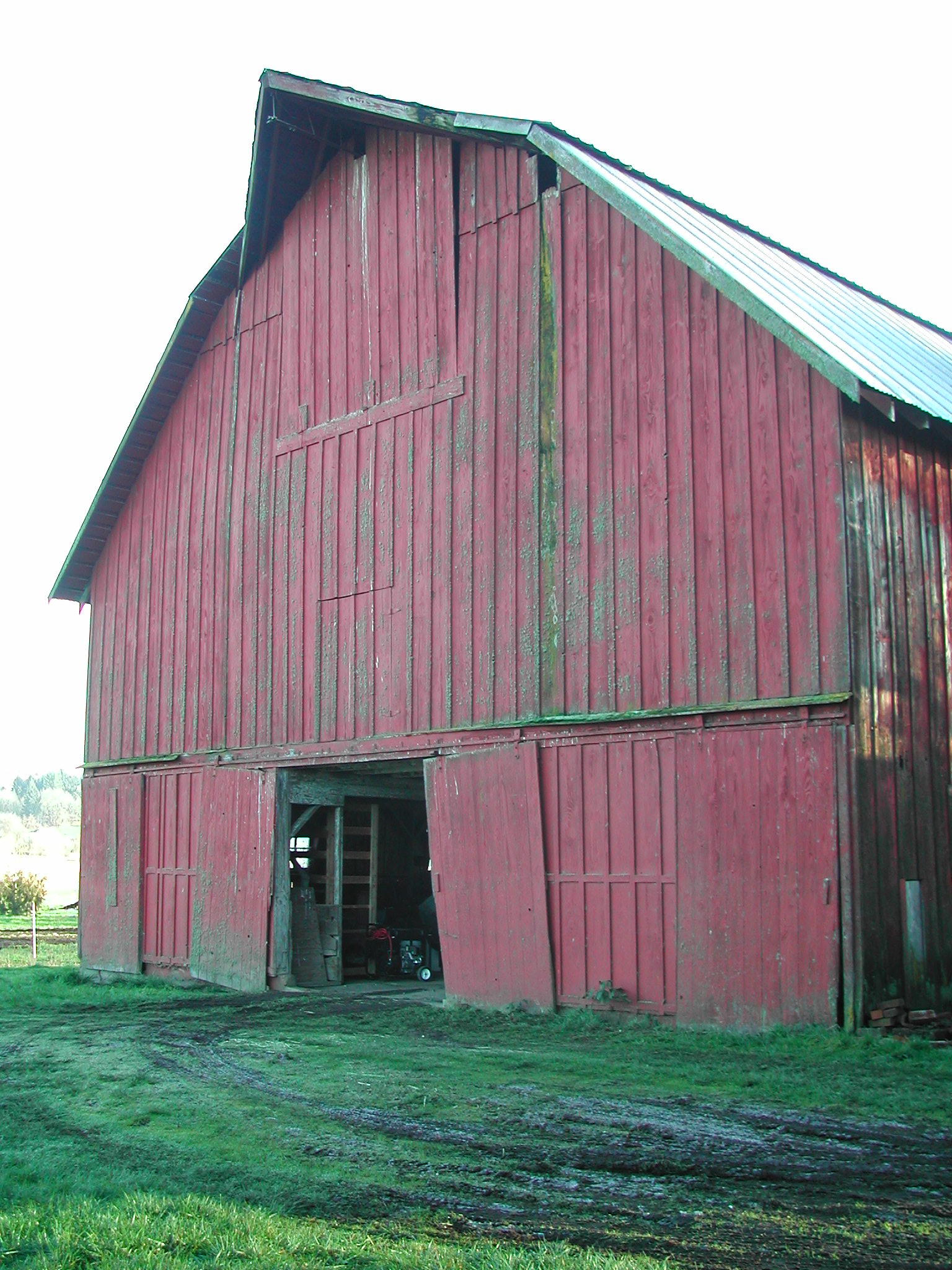
The hay barn

Looking through the apple trees, back to the hoop houses and barn

Inside a hoop house. When we first looked at the property, this lettuce was perfect.

We ate the persimmons
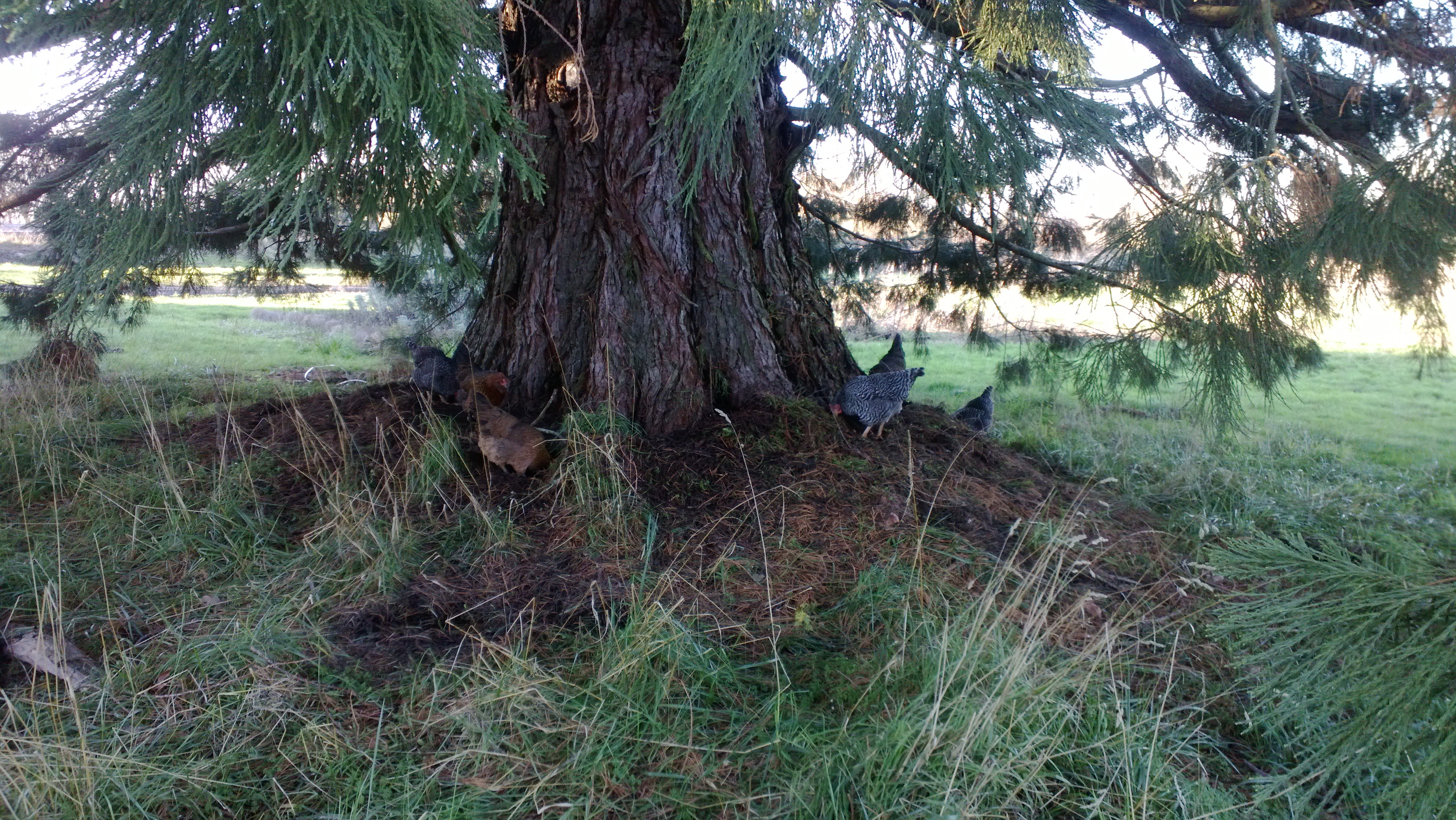
Of course, I have to have a picture of the girls. They are adjusting nicely.

Looking from the well/pump house back to the barn. Those are lilacs in the grass.
Sold

The tomatoes have been cleared and cover crop planted. The chard will stay for the winter…for either the new owners or deer to eat!
Just a quick update:
The sale of our house on Sauvie Island is set to close today. As of 5:00 pm this afternoon, we will be renters. It is hard to believe it is really happening. Everything is still on track for the purchase of our new farm, which, if all goes as planned, will close on December 3.
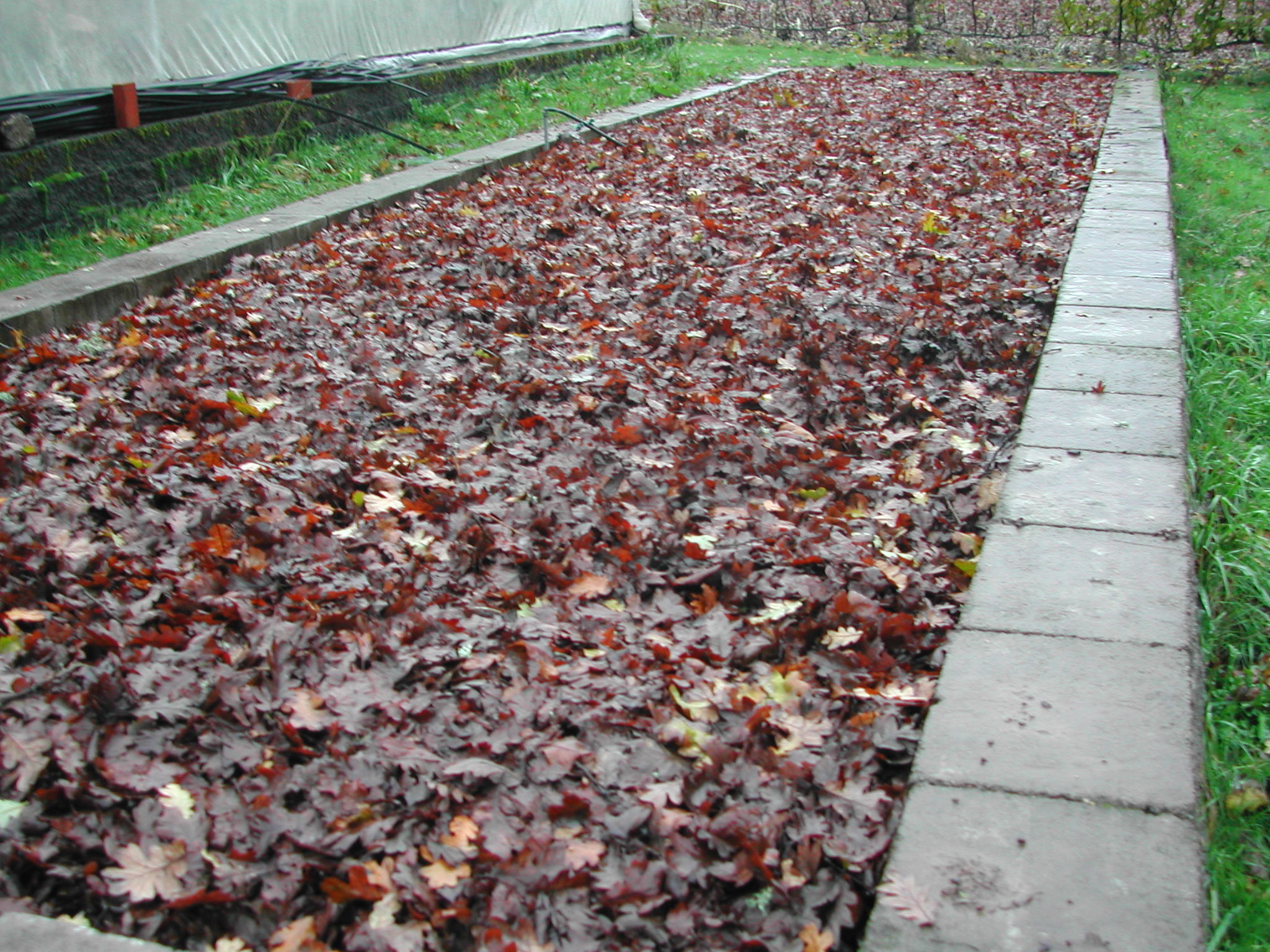
This bed is ready for winter rain
The past few weeks have been a mix of tasks to prepare for the move, packing and putting the garden to bed for the winter. The majority of my time has been spent on the first two items, though with Steven’s help, I got one more “field” seeded with cover crop and Jonas has been plugging away on the last few beds, weeding and getting bare ground covered with leaves. Today, I will spend some time on bookkeeping, before it is back to more packing.
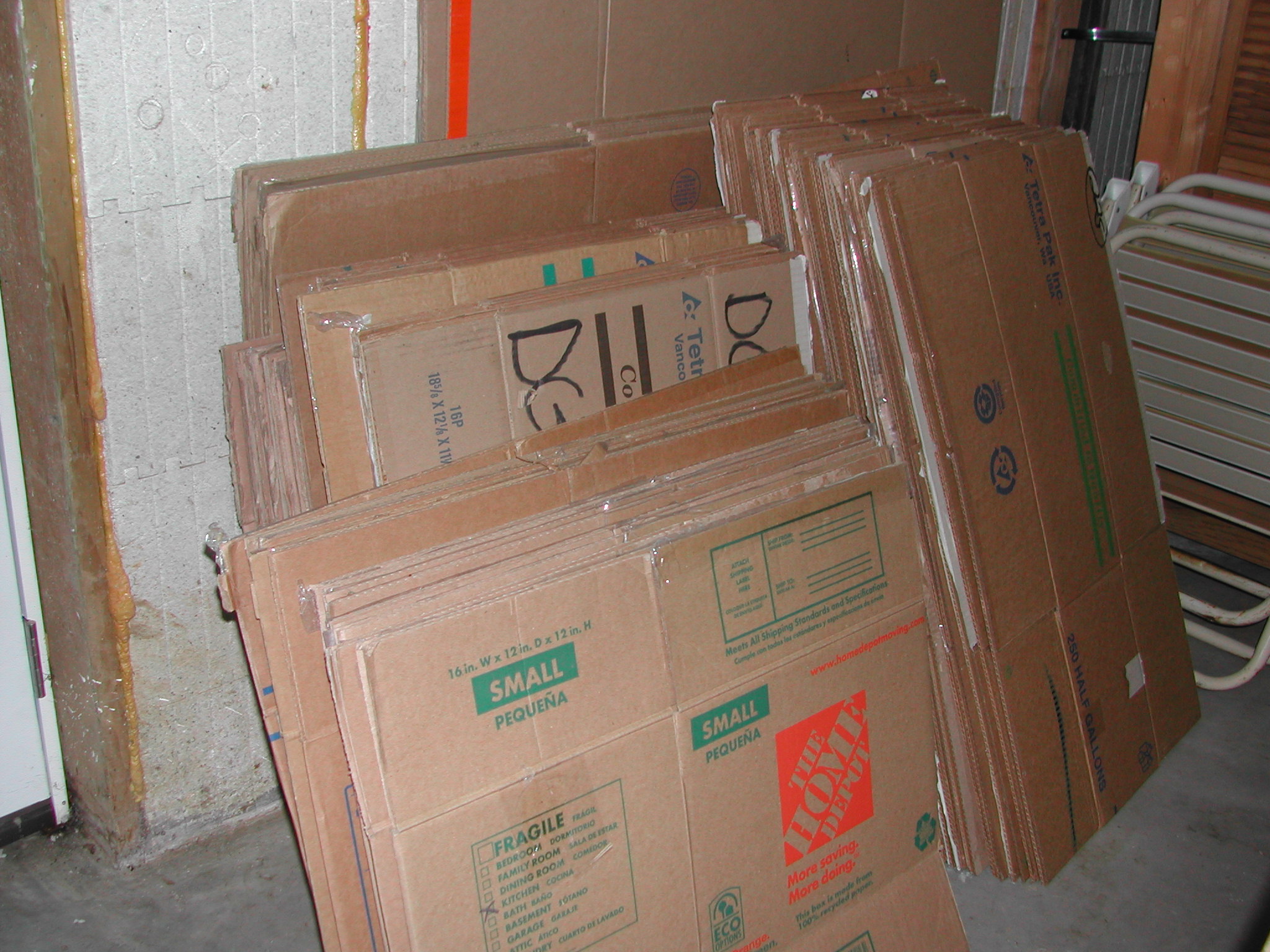
I hope I bought more boxes than we need…
Last Delivery

A few more June’s Corner Garden bags to fill and deliver
It is hard to believe that tomorrow is the last delivery of the season. On Monday, I was really happy we had a dry day to harvest and deliver orders. It was even a little sunny, so I didn’t mind sending Jonas off on a trek to make the Sauvie Island deliveries, while I made the ones in North/North East Portland. I don’t know that we will be so lucky today and tomorrow. With the daylight coming so late in the morning, I will go out this afternoon to do most of the harvesting for Thursday’s orders. We’ll see if the rain keeps up. I’ll finish up harvesting with the greens in the morning.

The kale will stay for the winter
What next after the last delivery? First, on Friday, I am taking a class through the Washington State University, Clark County Extension, on High Tunnel Vegetable Production. The farm we are in the process of buying has two hoop houses/high tunnels (here is the first thing I need to learn: Is there a difference between a hoop house and a high tunnel? Is it the size or something else?) Even though we have grown in our two hoop houses here the last several years, I keep thinking there is more I need to learn.
Next will be packing. Though there is still a lot of clean up to do in the garden to get it ready for winter, I will be a bit more focused on packing up our household for the move. It is a good thing Jonas is still here to work in the garden. I don’t think it would be possible for me to do both. We’ll try to watch the weather, so on rainy days it is hoop house/inside work and on dry days it is outside work for Jonas. For me, I’ll work outside on the driest days and inside, packing, on the rest. Of course, I can’t forget the book work I need to finish up, too, on those inside days.
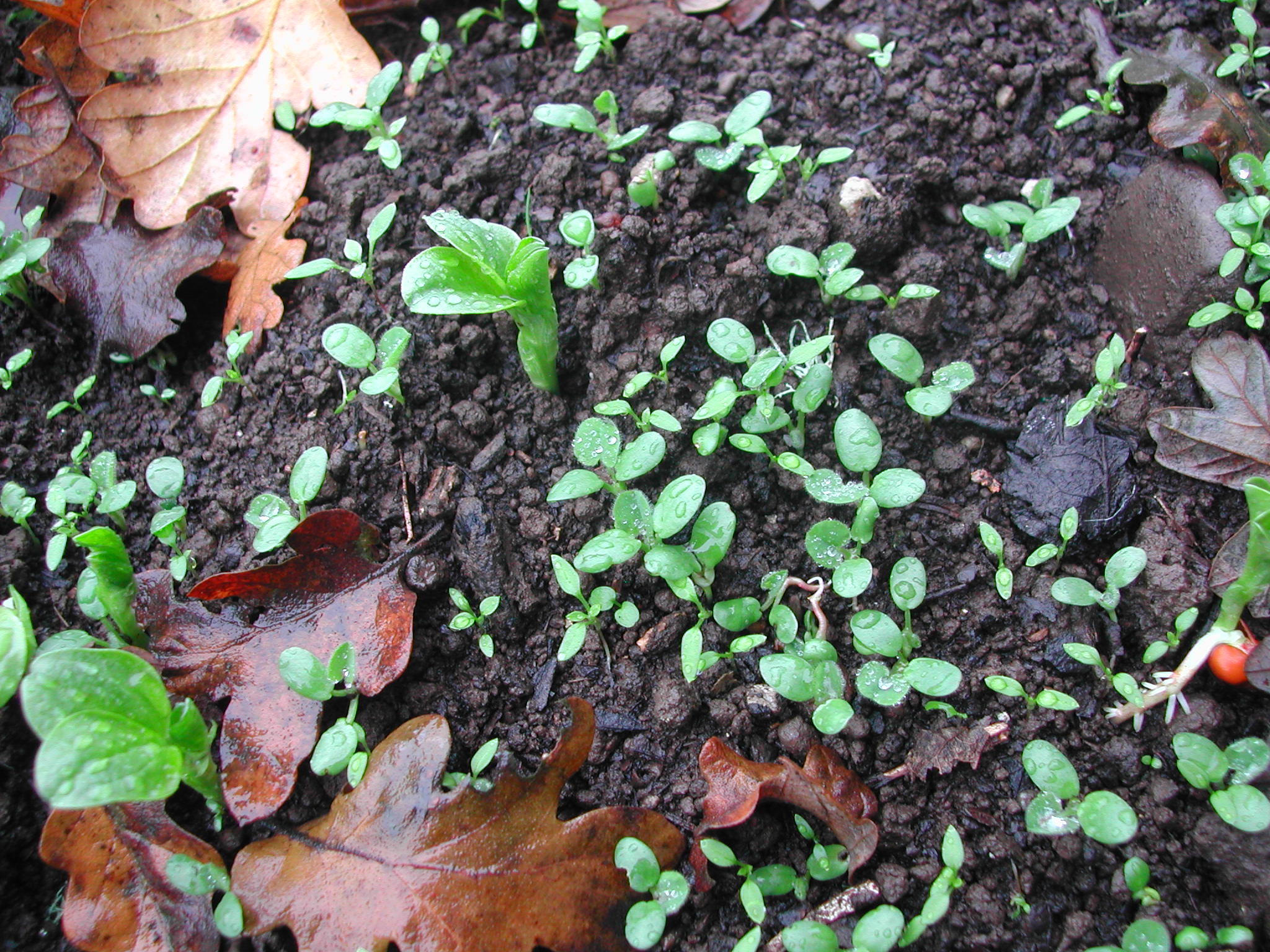
The cover crop, seeded earlier this month, has germinated and is growing, along with some chickweed
The outside work of putting the garden to bed has already started. I got a few beds seeded with cover crop earlier in October. I hope to do more, but it is not looking good. With the soil so wet now, it is hard to have a bed well prepared for seeding. Luckily, many of the beds will keep their crops for winter (kale, cabbage, Brussels’s sprouts, chard, chicories, etc) and they will just need some leaf mulch under the crops. The rest that don’t get seeded with cover crop will get leaf mulch, too, for soil protection. But first, we’ll compost all the crops that are done, put away trellising, cages and irrigation lines, and clear as many weeds as possible before the mulch goes down. There will be more weeding in the perennial beds and bark mulch to spread there.
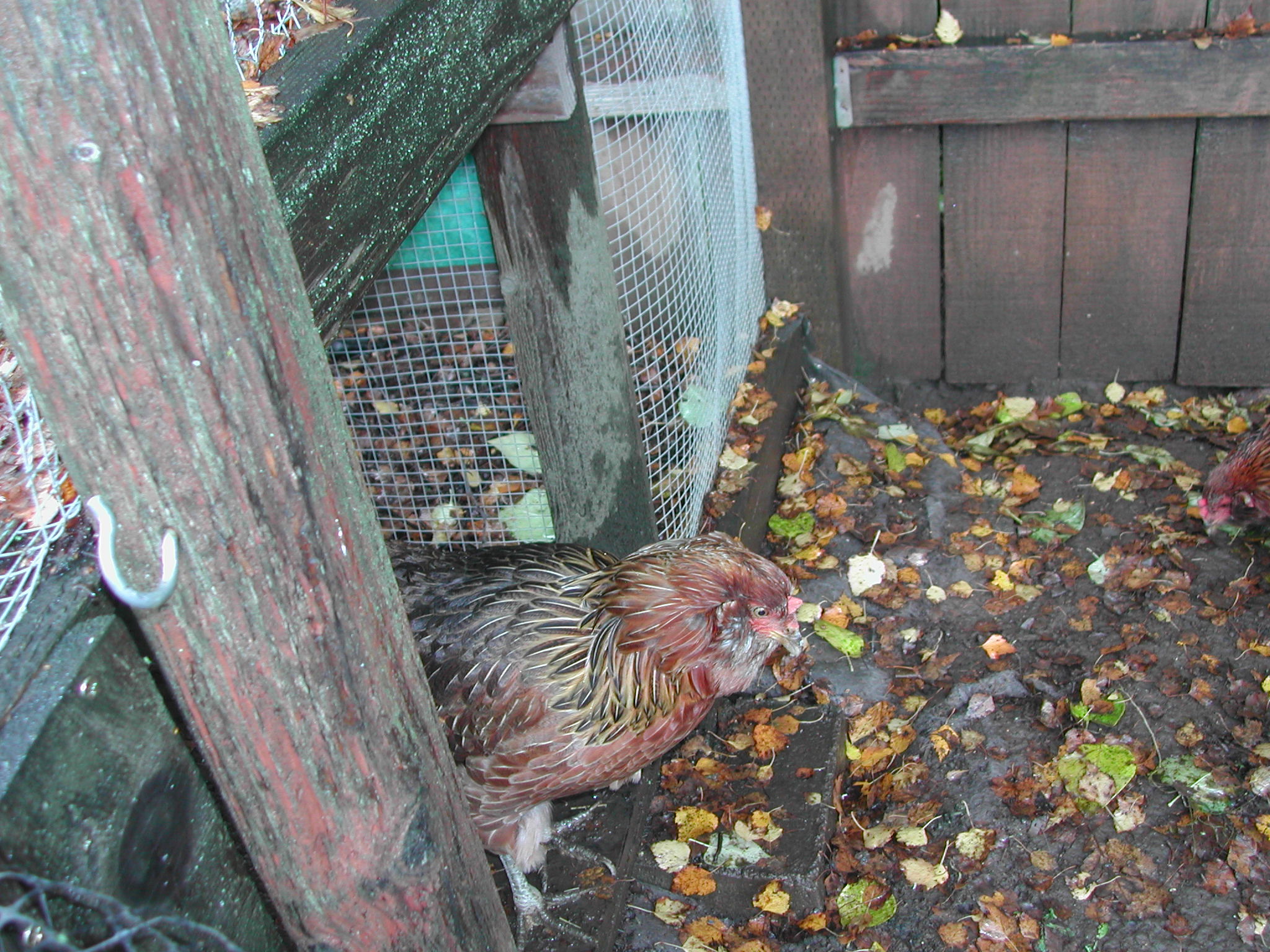
The girls are ready to leave the comfort of the coop run and pasture for some free ranging
Finally, the girls will be excited to find out that they get to free range again. Soon, they will be able to go down to the grass by the road, where they usually find lots of worms. They will get back to their original job, too, to help clean up the garden beds, where they find not only worms, but other good grub.
The last delivery is tomorrow. I am sad about that, but also ready to put the garden to bed, and excited for what is to come next.
Experiments

Rockwell dry beans
I like the idea of growing as much of my own food as I can. For the most part, I do grow all of our fruits and vegetables. I do buy some things, like oranges and pomegranates, that are pretty hard to grow here (though I do have some pomegranate bushes and I tried some hardy citrus, but, they died). I sometimes run out of other things, like onions, so I buy more in the winter. And then there are things, like grains and beans, that are a bit harder, but certainly possible to grow. You need a bit more space, and harvesting and processing are more tedious on a hand scale, but I still think it’s fun to try.
The past few years, I have been experimenting with some of these other crops and some of my results have not been too bad. The last three or four weeks, Jonas and I have been harvesting my experimental crops. Some might even make the list next week.
Cranberries
I have had a patch of cranberries for some time now. Though cranberries like a lot of water, you don’t actually need a bog to grow them. It just means you have to harvest them by hand. Jonas and I finished up the cranberry harvest yesterday. Since I don’t have a lot, I don’t grade them, but keep all the variations, dark red to white (depending on how much sun they see), big and small. This year I think I’ll have about ten pounds.
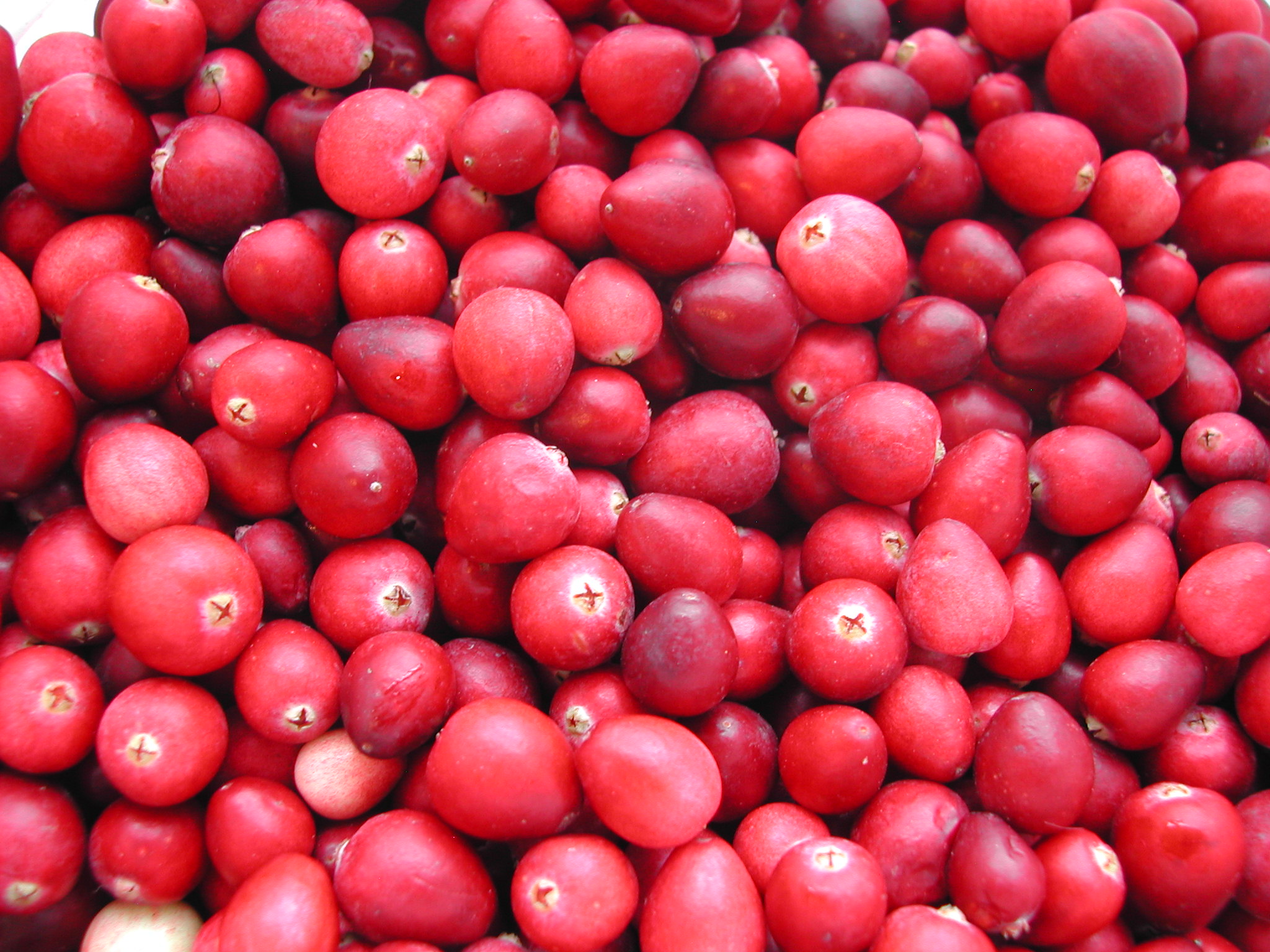
cranberries
Painted Mountain Flour corn
This is the first year I have tried this corn, meant for milling into flour, or decoration. I have wanted to try grains for some time. I thought corn would be the easiest in terms of harvesting and processing by hand. I will try to grind some and see how it turns out.
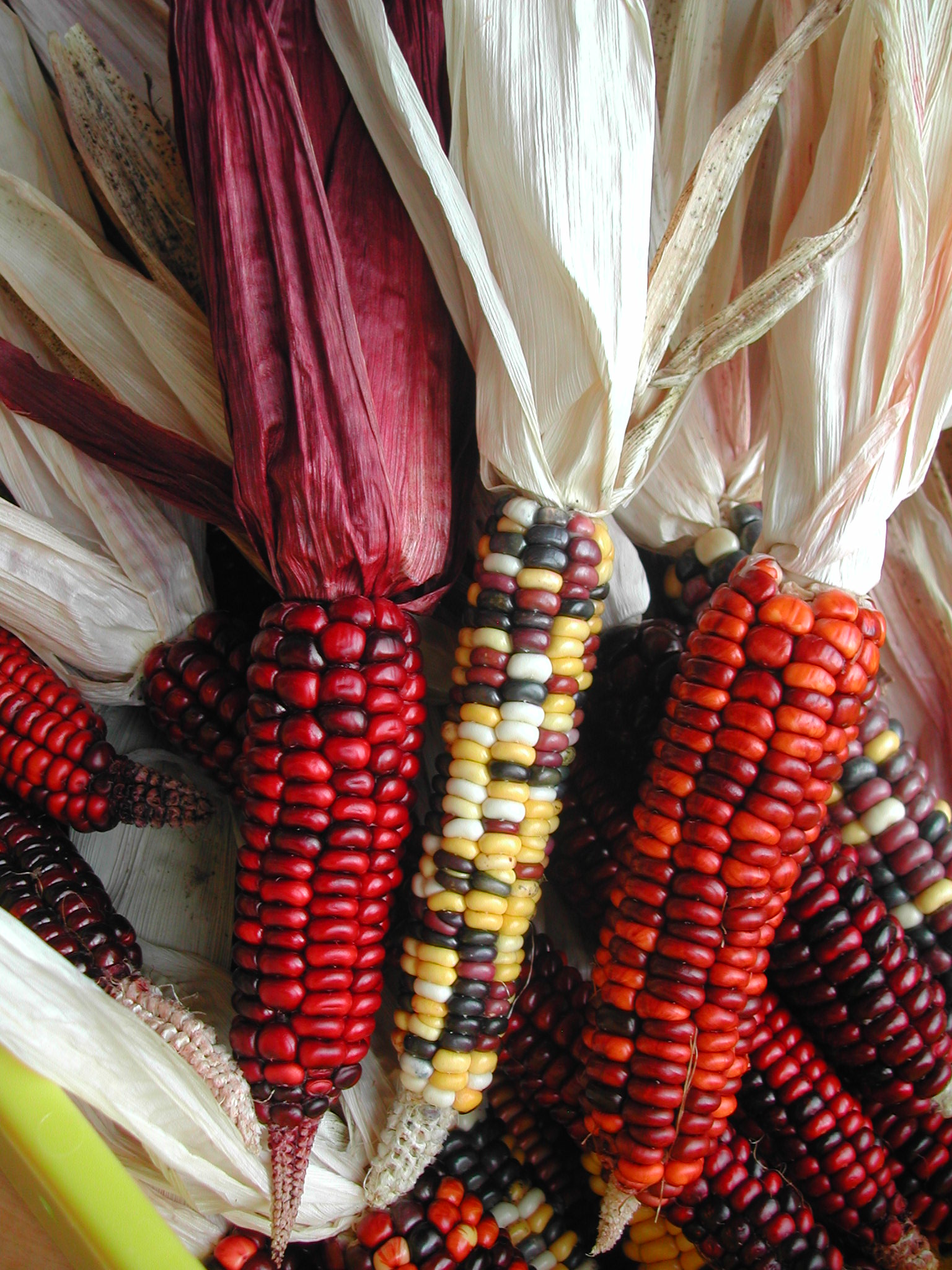
Painted Mountain Flour corn
Rockwell beans
This is the second year I have grown this dry bean and it did well this year. I like the story: brought to Whidbey Island, Washington, in the late 1800’s, by Elisha Rockwell. It has been grown there, by the locals, ever since and is just getting out into the public market the last few years. It grows well in our climate and it tastes good, too. (Pictured at the top)
Black Turtle beans
I have tried a few other dry beans, but this year I wanted to try a black bean. I got these in the ground a bit late, and they need a longer growing season than I gave them, so they did not all mature as fully as I had hoped. They are drying out right now, and then I’ll see how they did. This is one I’ll have to try again, getting them into the ground sooner next time.
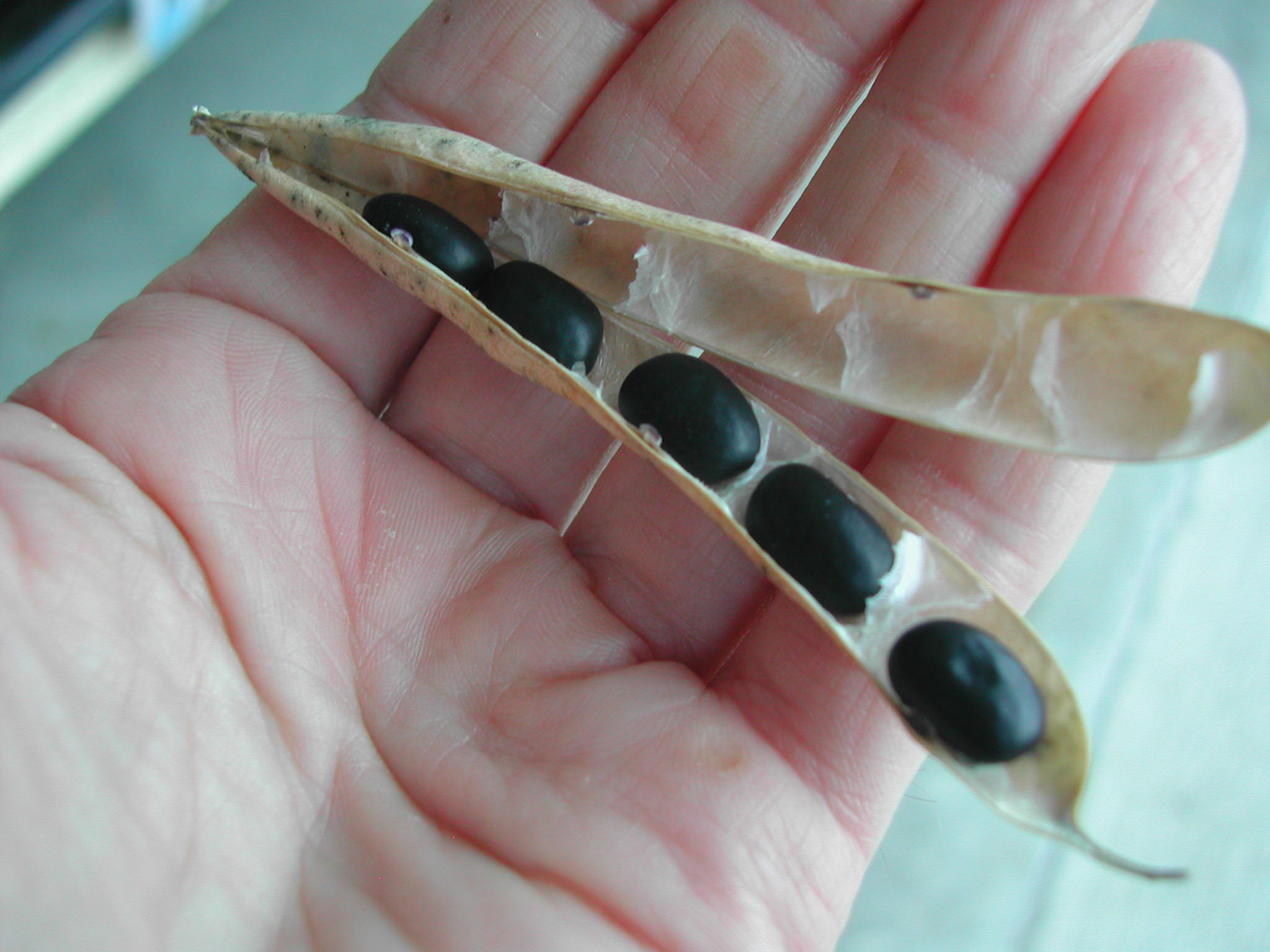
Black Turtle dry beans

 Bethel Springs Farm