The First Ripe Tomato

A couple ripening Stupice tomatoes: I picked one of these
I picked the first ripe tomatoes last night and we had Caprese salad with dinner. I love tomatoes in the summer. I have neglected the tomatoes a bit the past several weeks. They need to be pruned and cleaned up. I can’t walk between some of the rows, the vines have grown over so much (though the rows aren’t that far apart, so it is not far to grow). I checked last year’s records for when I put tomatoes on the list: the third week of August. Given that the temperatures seem to be close to what we had last year, that looks about right for this year, too. The tomatoes will dribble in for a while, before there are enough for the list. If the temperatures would stay a little warmer at night (60s), that would help a lot, but that doesn’t seem likely. I just looked at the long range forecast and there are only a few nights that might stay that warm in the next three weeks.
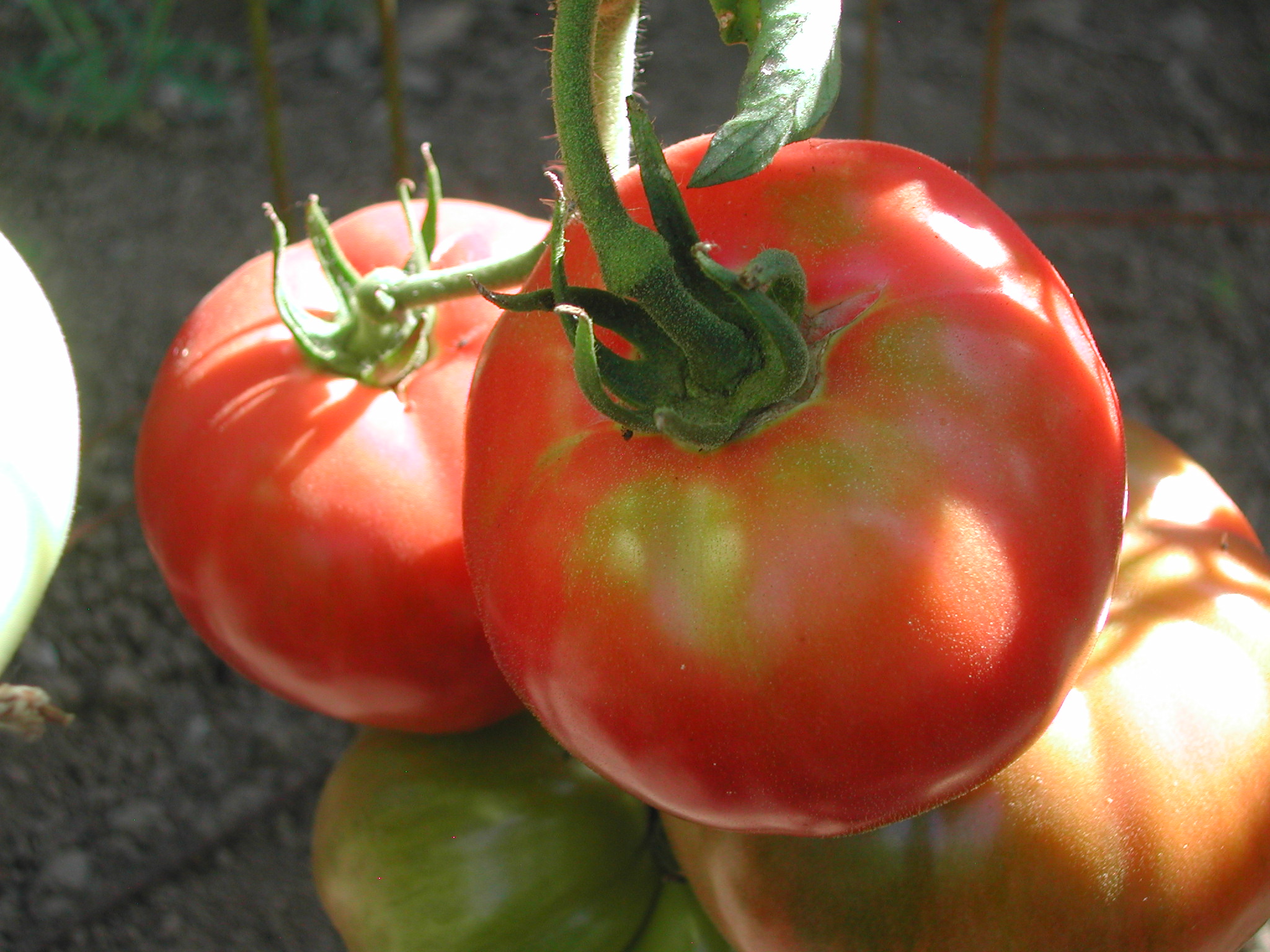
This picture is from last year, but you can see the green on the shoulders.
If you notice in the picture above and to the left, there is some green around the shoulders of the tomatoes. Scientists have discovered that the gene that gives tomatoes green shoulders, also gives them more sweetness and better flavor. You may have heard this story on NPR back in June: How the Taste of Tomatoes Went Bad (and Kept on Going). I admit, I want tomatoes to look good, too. But it is mighty disappointing to slice a beautiful tomato and taste nothing when you eat it. Many of the varieties of tomatoes I grow are heirlooms and some of those do have green shoulders. Others don’t have them, look awfully beautiful, and still taste good. Hopefully, it won’t be long before we can give them all a try.
Pulling Weeds

I am going to keep the weeds under control in this lettuce
By the end of June, the weeds had gotten out of hand. They are slowly, but surly, getting reined in.
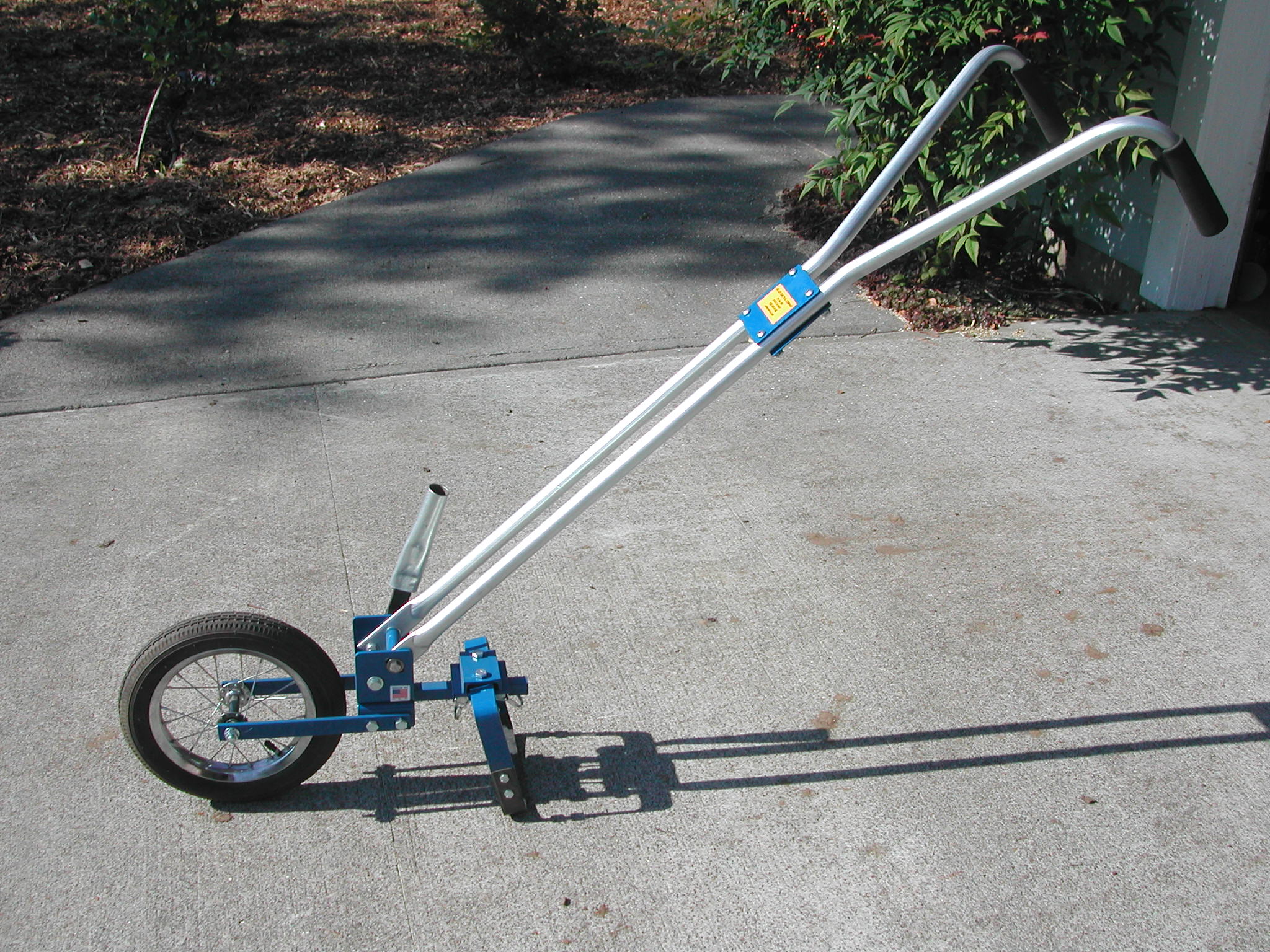
The new Valley Oak Wheel Hoe
Back in the beginning of June, I wrote about the change in the focus of work during the season, and I said that eventually, weeding pressure would ease off. I still think that it will, but not until after we get through this round of weeding. With the extra rain we had in June (above average rainfall) the weeds really took off. Unlike the summer crops, weeds don’t need much heat to grow. They managed quite well in the slightly below average temperatures in June. The rain is really what makes the difference and the weeds sure took advantage of the moisture. They grew like crazy in June and I didn’t keep up. I know I need to be using that beautiful diamond scuffle hoe I bought last year and Jonas did get through some squash and potatoes with the scuffle hoe early on. I even bought another hoe recently, a Valley Oak Wheel Hoe, for pathways and larger areas, because keeping up with weeding is that important. Unfortunately, the weeds are much too big now for either hoe and need to be pulled by hand.

I started weeding these beans…the bottoms part is done, but more weeds need to be pulled up top. I hope I am not setting the table for the deer to come and eat…
So pull by hand we will. The last few weeks, with extra help from Steven while he took time off from work, we have been working bed by bed to get the weeds cleared. The progress is good, though it gets interrupted now and again to clear beds and plant more for fall. July has been drier than average (when does that ever happen?), which means the weeds won’t come back as fast or strong. I have hopes that we’ll keep up a bit better in the next round, using those beautiful hoes.
Jonas

Jonas in The Adventures of Jonas
I just heard from a neighboring farmer last night that many of the farms on Sauvie Island are facing labor shortages right now. I echoed that sentiment, as I had a labor shortage of my own this past week. Jonas took a little more than a week off to spend time with his mom and sister, who were visiting his grandparents in Portland, and to attend the Oregon Country Fair. But, wait, farm labor? Jonas? Who is Jonas?

Some of the lettuce the deer did not eat
Many of you already know that Jonas is our our nephew. He came for a few weeks two years ago, and I guess we did alright, because he came back again in April and is staying with us for an extended period of time. (+/- 6 months; through the harvest season, something like that.) He has been helping with the garden and working on his art. He is an artist, with a major focus on comics. He is helping with the Thursday deliveries, so you may meet him there, if you haven’t already. You can see his art online in two places: his webcomic, The Adventures of Jonas, and on his art blog, 25mph on deviantART, which has his comics and other art pieces. (There are some comics from his time with us two years ago, in The Adventures of Jonas, the Wander chapter, here, here, here and here.) You may also see his art scattered around other places, like our house, some of your June’s Corner Garden name tags, and the picture above, which is from The Adventures of Jonas.

The deer enjoyed this head of Optima lettuce
In other news, June’s Corner Garden is definitely on the deer trail now. I mentioned in the last few weekly e-mails that the deer ate some of the planting of lettuce that I am harvesting from right now. A week and a half ago, Jonas and I weeded the lettuce and it was beautiful. A few days later, I went out to harvest some, and found that the deer had taken bites out of about 1/6 of the planting. Bummer. I started covering the lettuce that night with row cover, but they are finding other things to eat. Lately, they have gotten into the beans. At first it looked like they were just getting a few leaves, but they may have gotten some of the newly formed beans, too. Sigh. They are even coming in mid-afternoon. I always thought we had too much traffic on our road for them to be around much, but I was wrong. My mother-in-law saved some hair from a hair cut last week, since she heard that it could repel deer. (Hang it in a bag in the field.) I think I may be trying that electronic post I mentioned a few weeks back to shock them and scare them away. That and a lot more row cover.
Transition
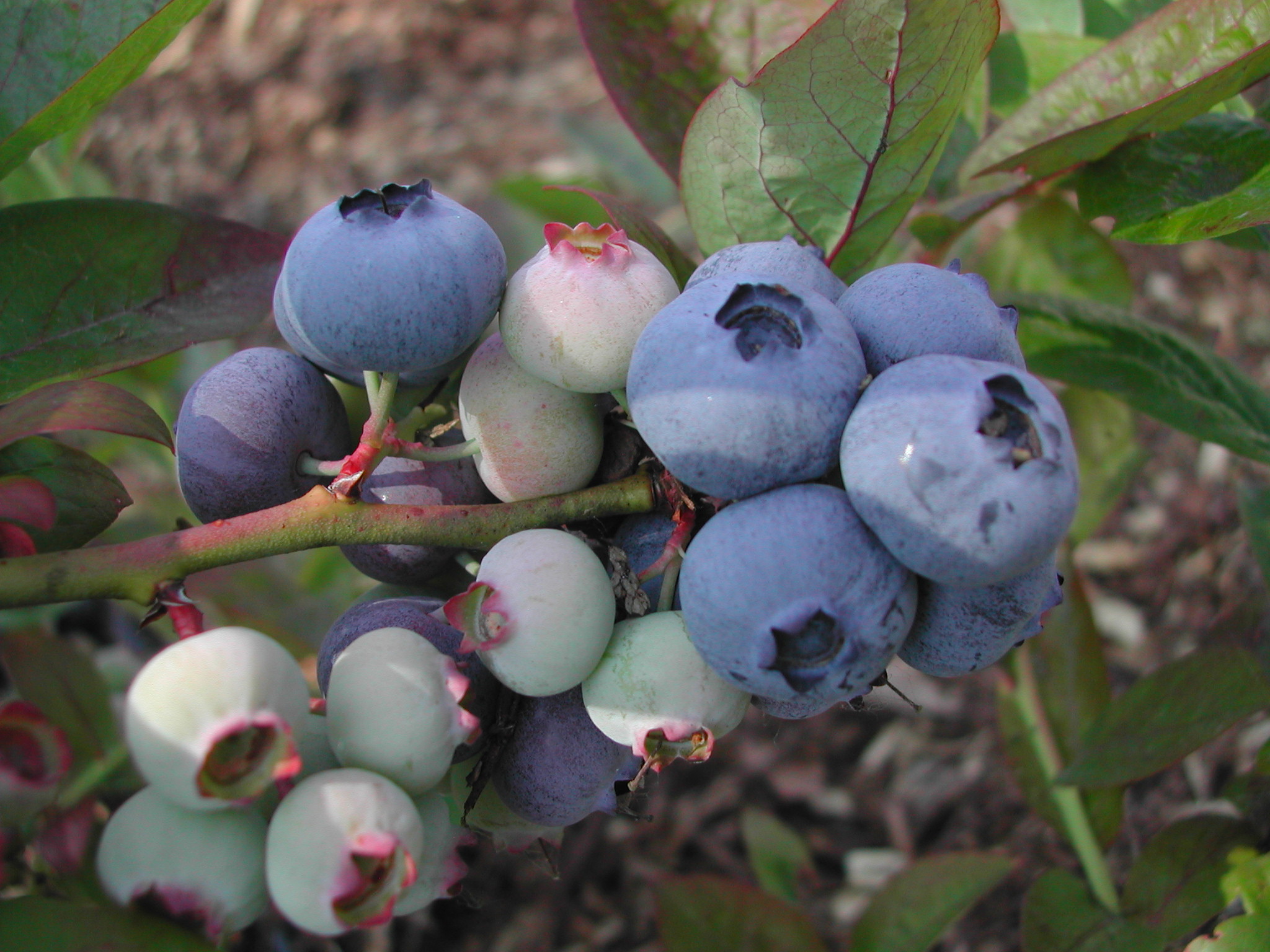
Our first blueberries are starting to ripen.
Early July, and sometimes into mid and late July (depending on the weather) is a period of transition for the produce that I grow. Many of the first cool season crops are coming to an end and some of the longer, warmer season crops are beginning to produce. The spinach and some of the first and second plantings of peas were pulled out this week to make room for more lettuce and some fall crops, like Brussell’s sprouts and kale. Often, early July is a transition time for the weather, too. The rain finally stops and the sun comes out. This year is no exception. It looks like we’re in for some heat this weekend, which should be great to get those warm season crops moving along.
Here are a few pictures of what is on the way out and, mostly,what is on the way in in the garden:
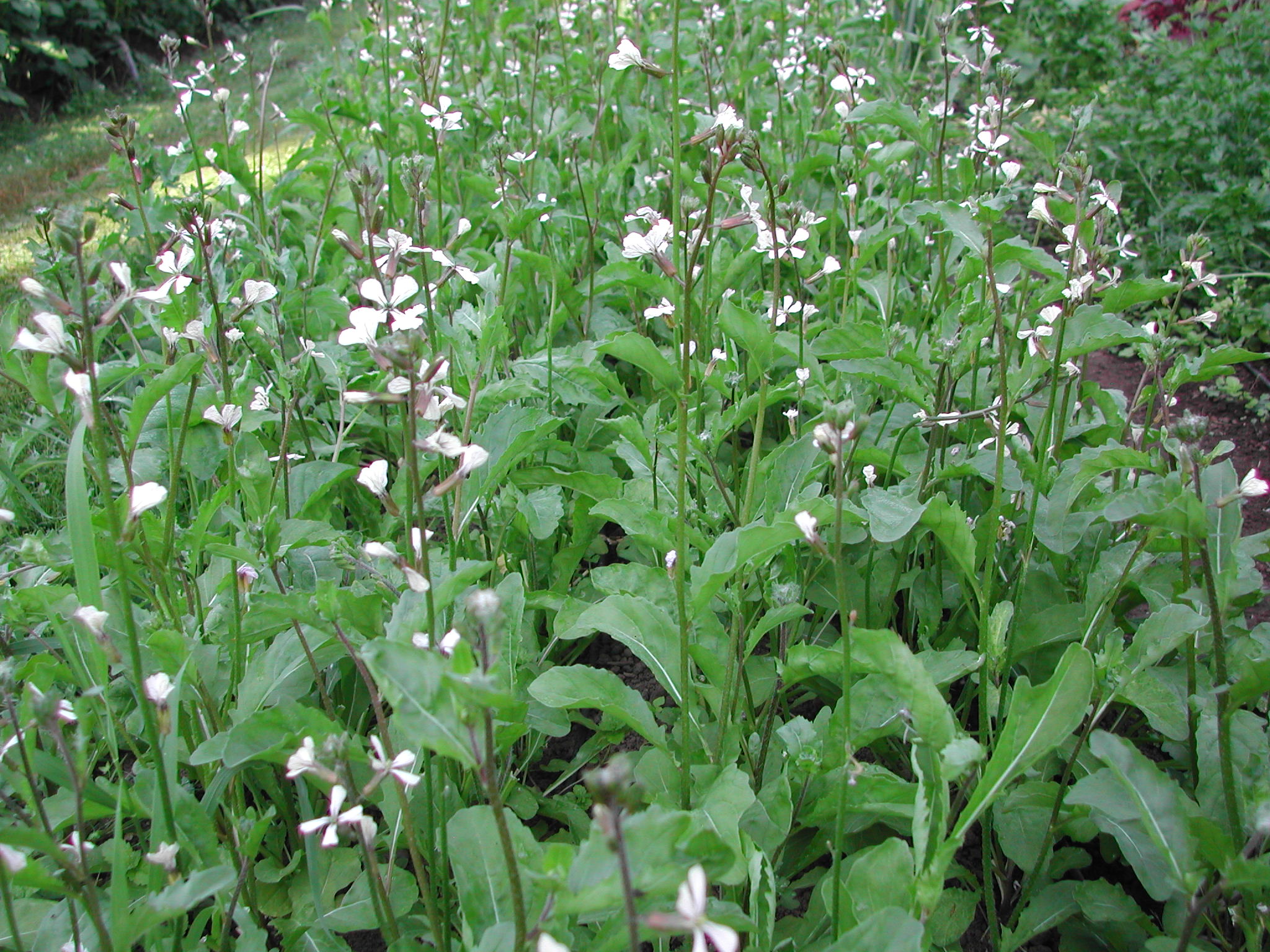
The arugula is flowering; it is just about done
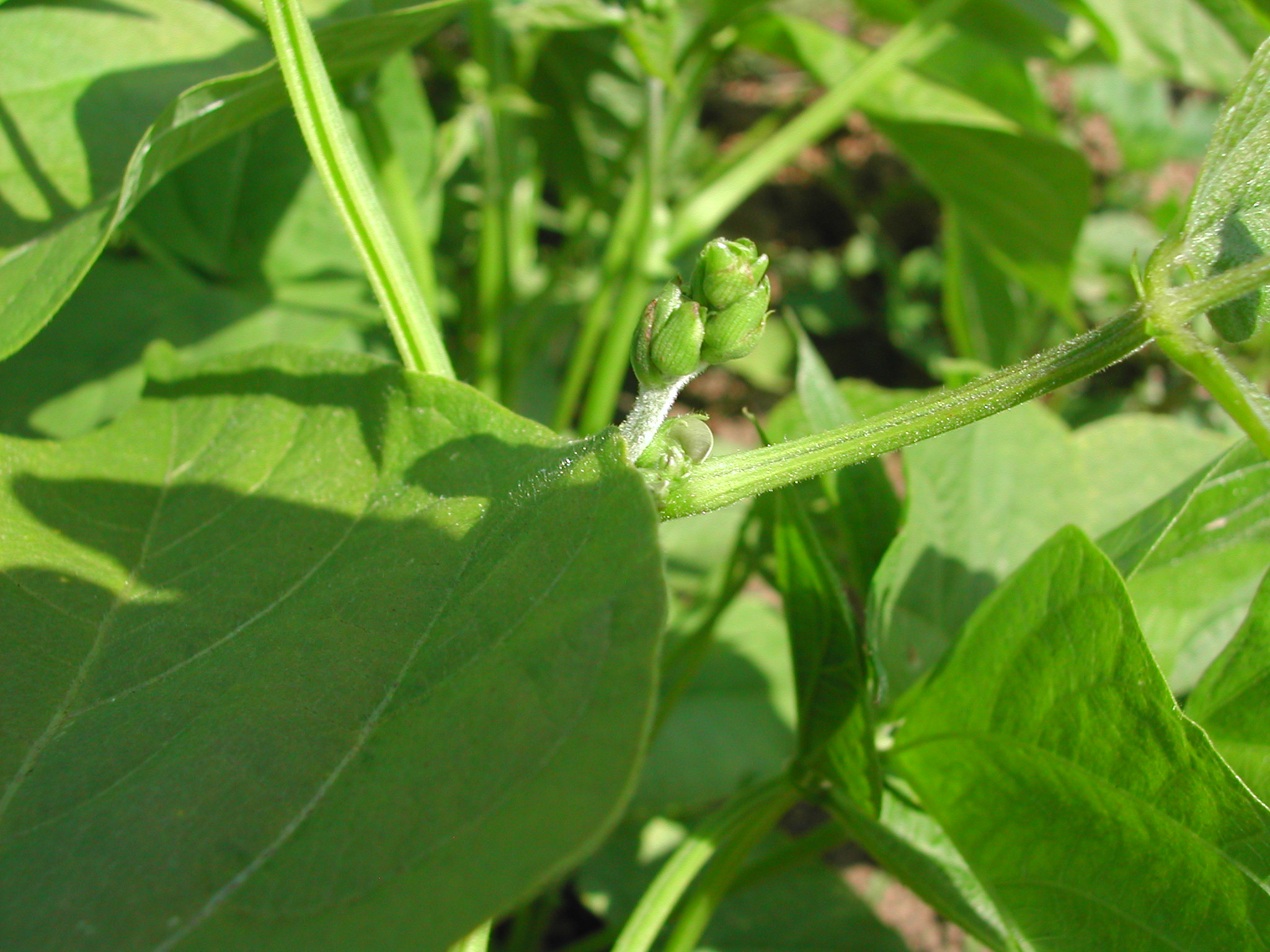
The first planting of Provider beans have buds…they are on the way.
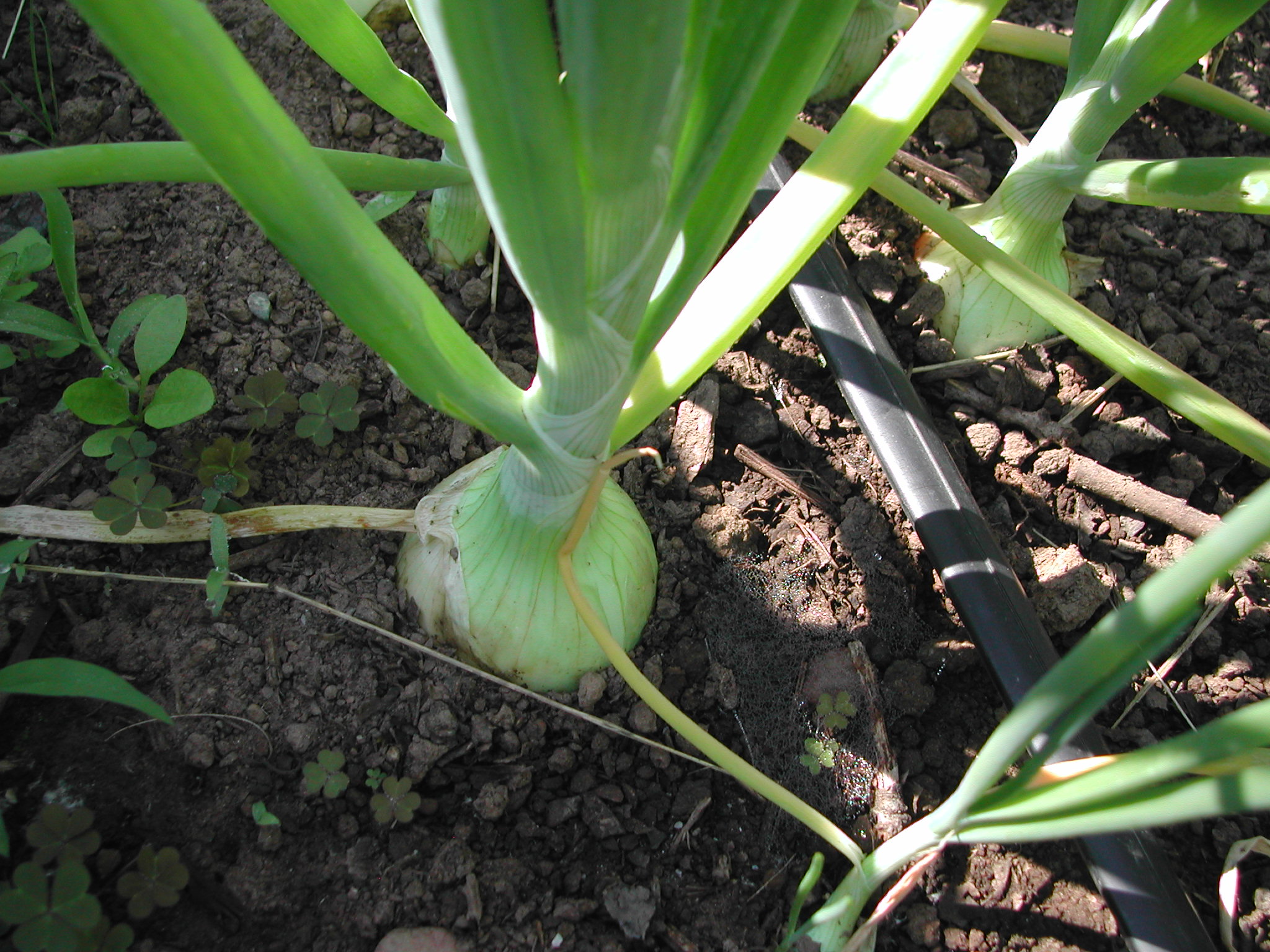
The sweet onions are starting to bulb
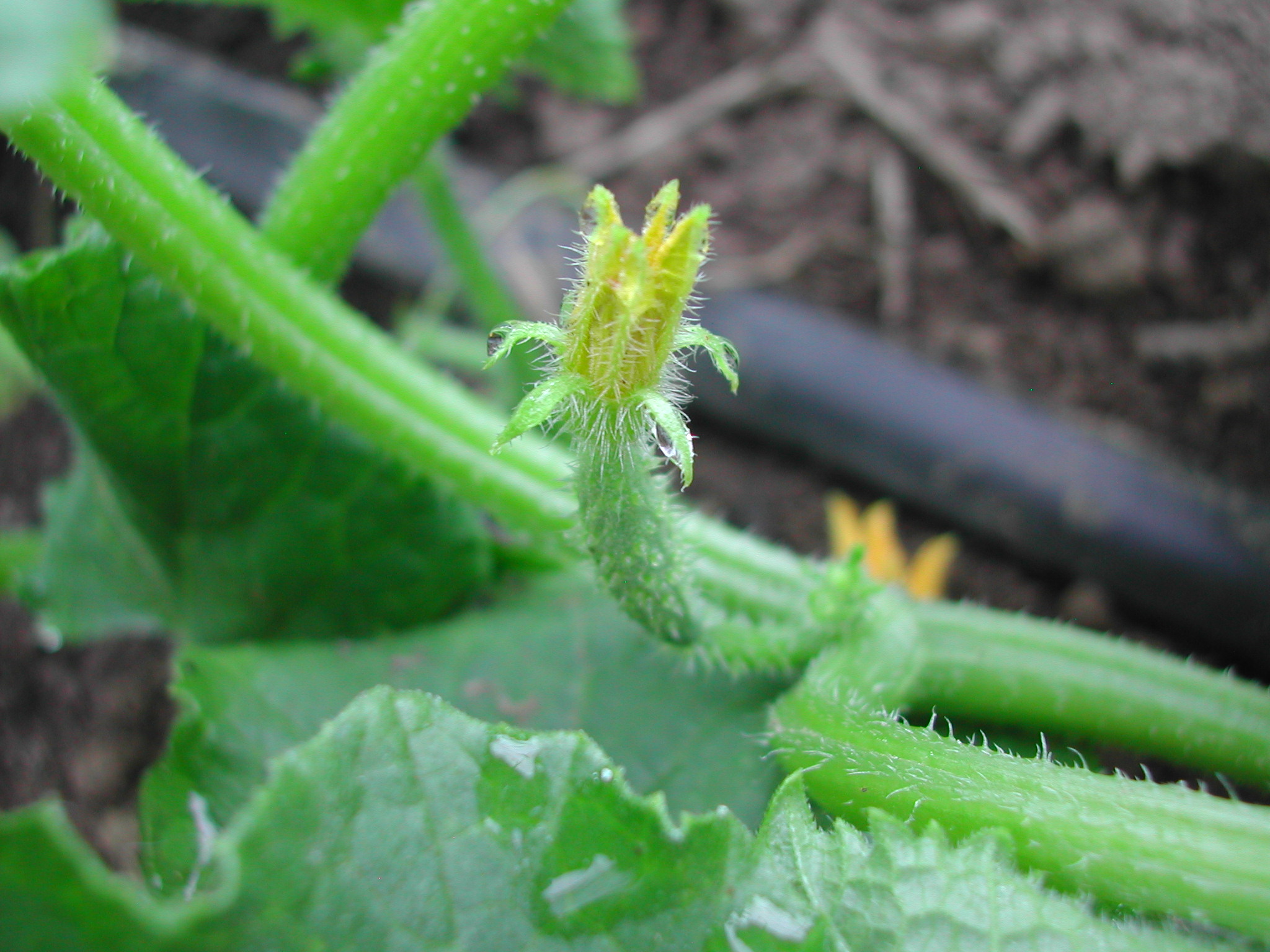
The cucumbers are looking beautiful this year.
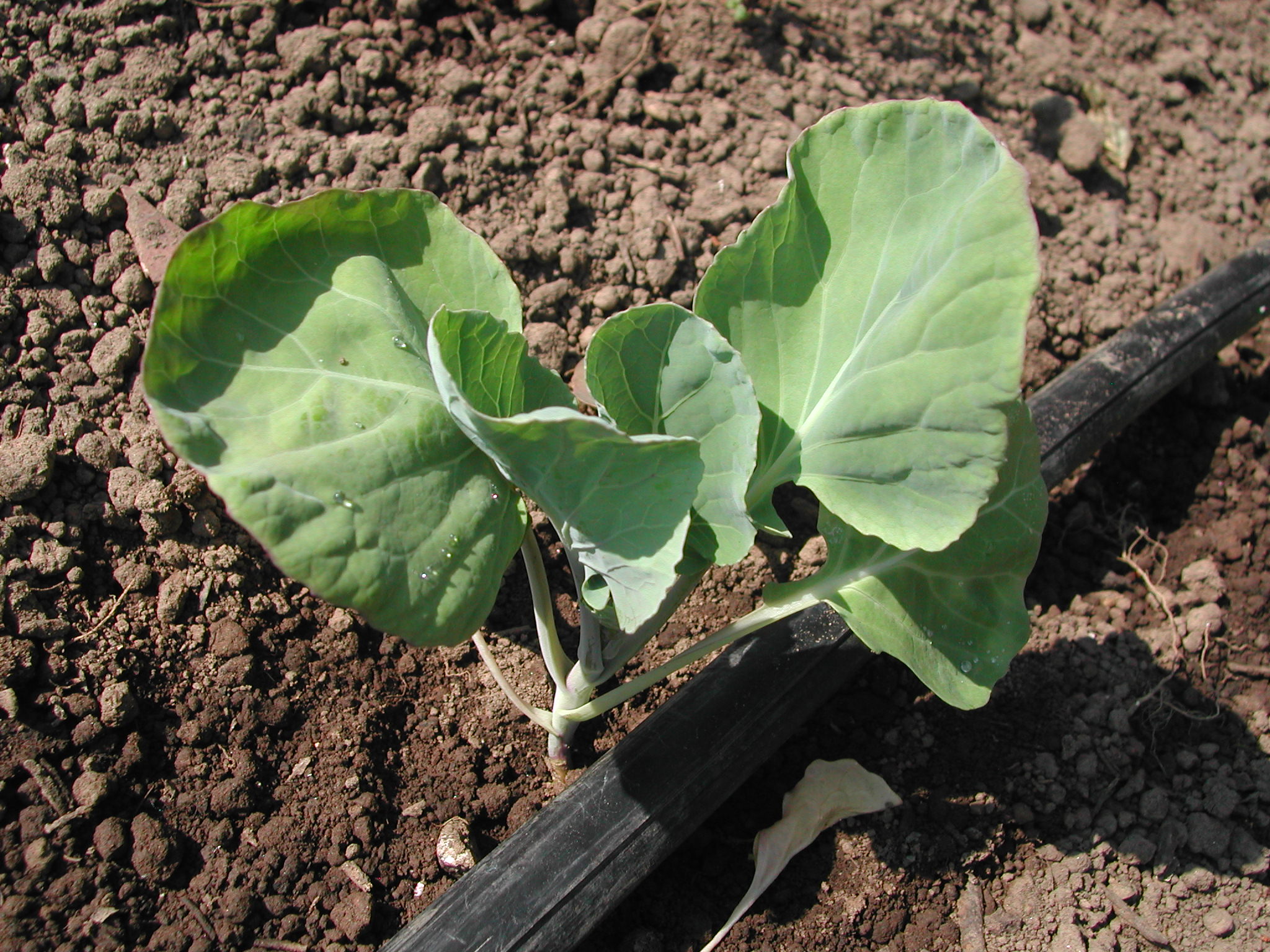
This is the earliest I’ve gotten Brussell’s sprouts into the ground
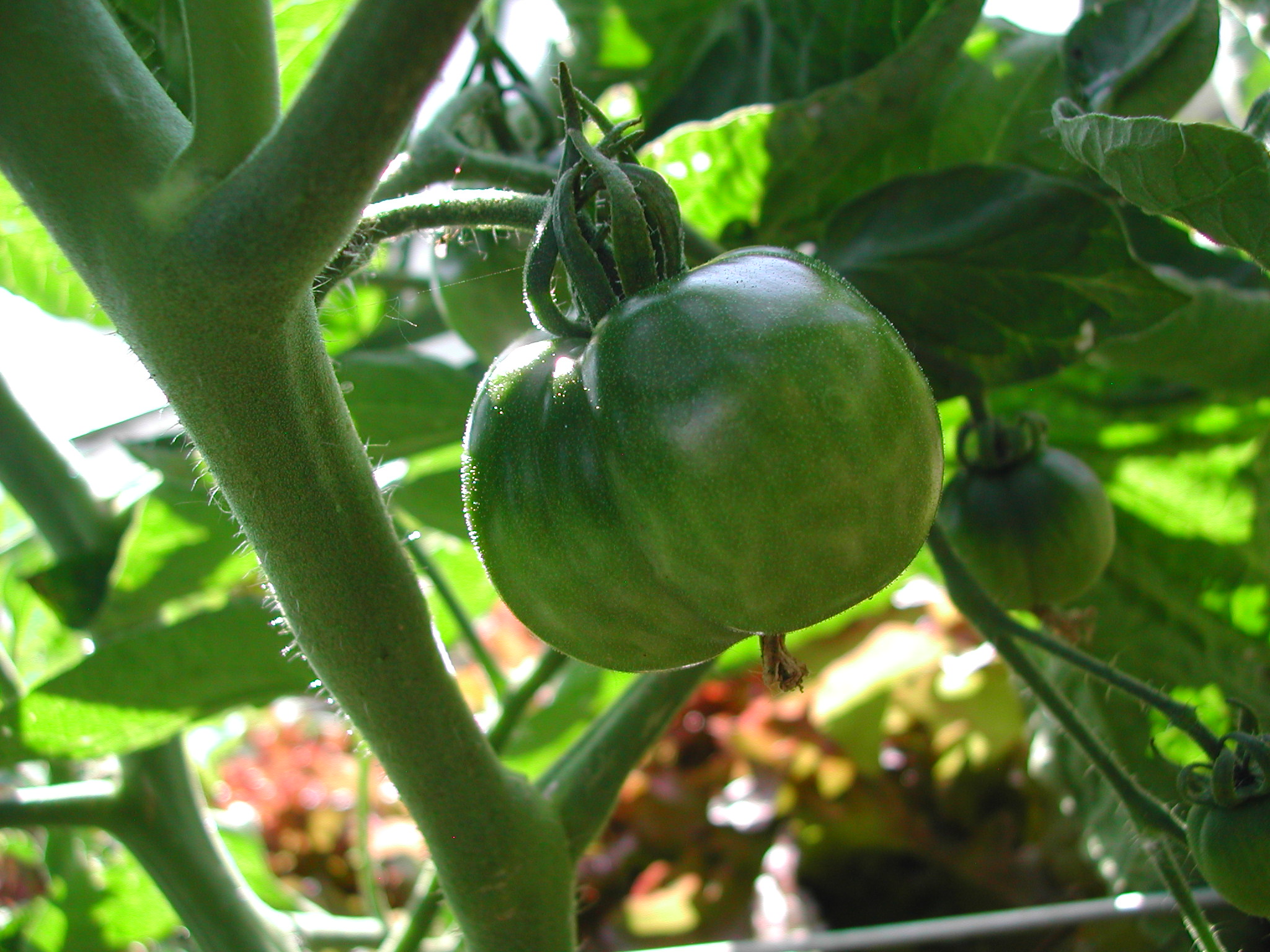
I think this will be the first ripe tomato; a Stupice.
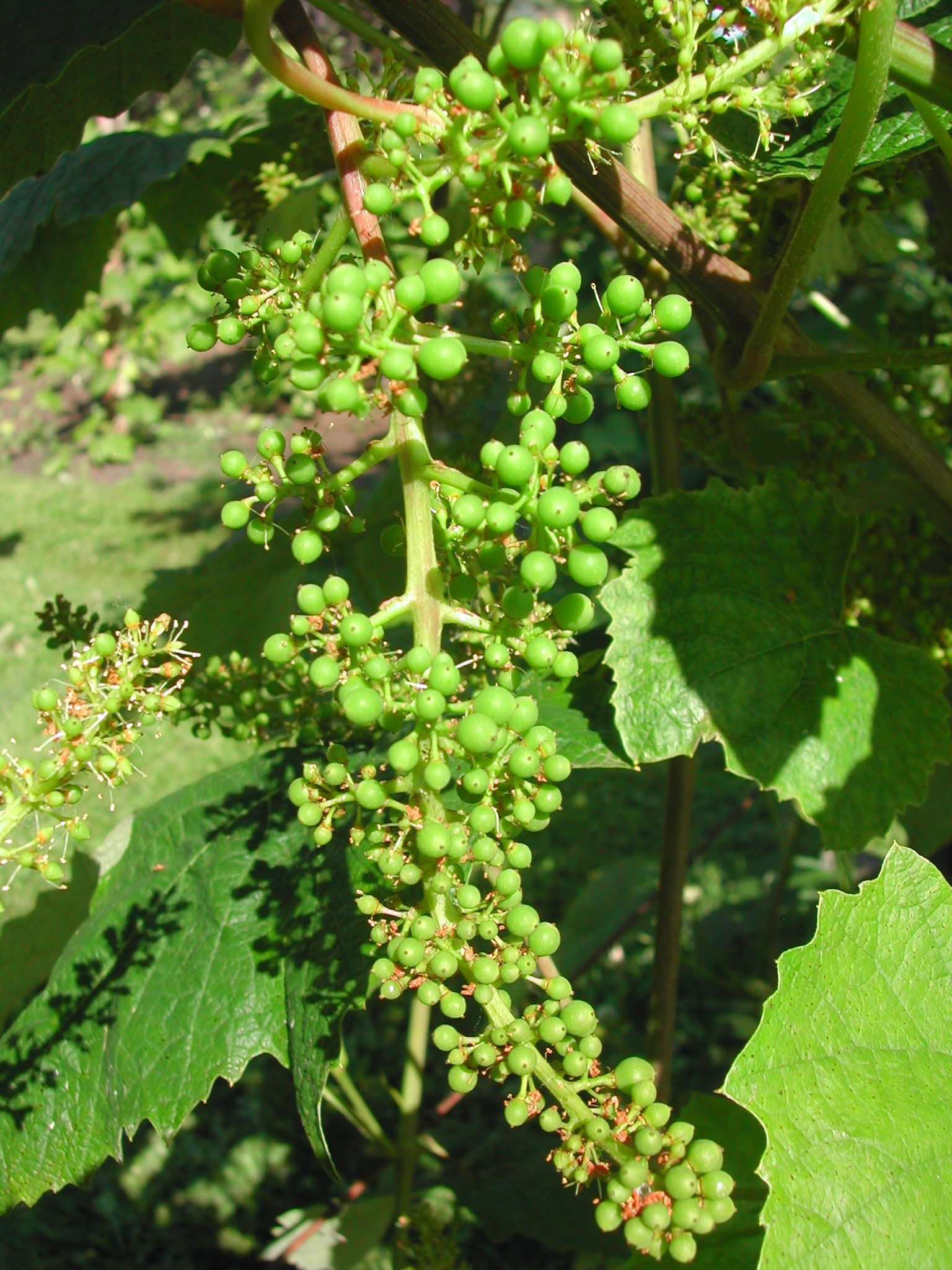
The berries are growing on the grape clusters.
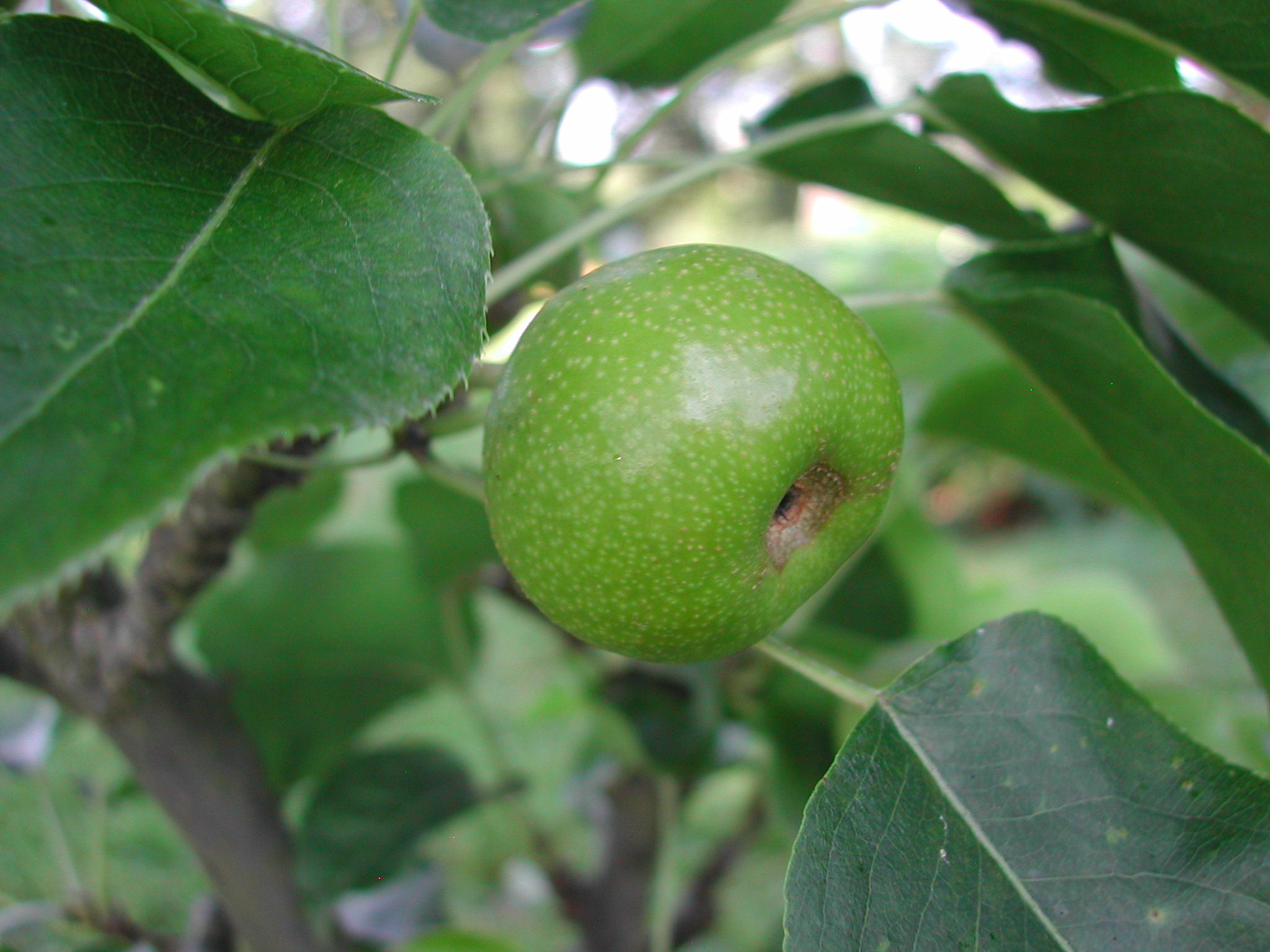
The Asian pears are looking good.
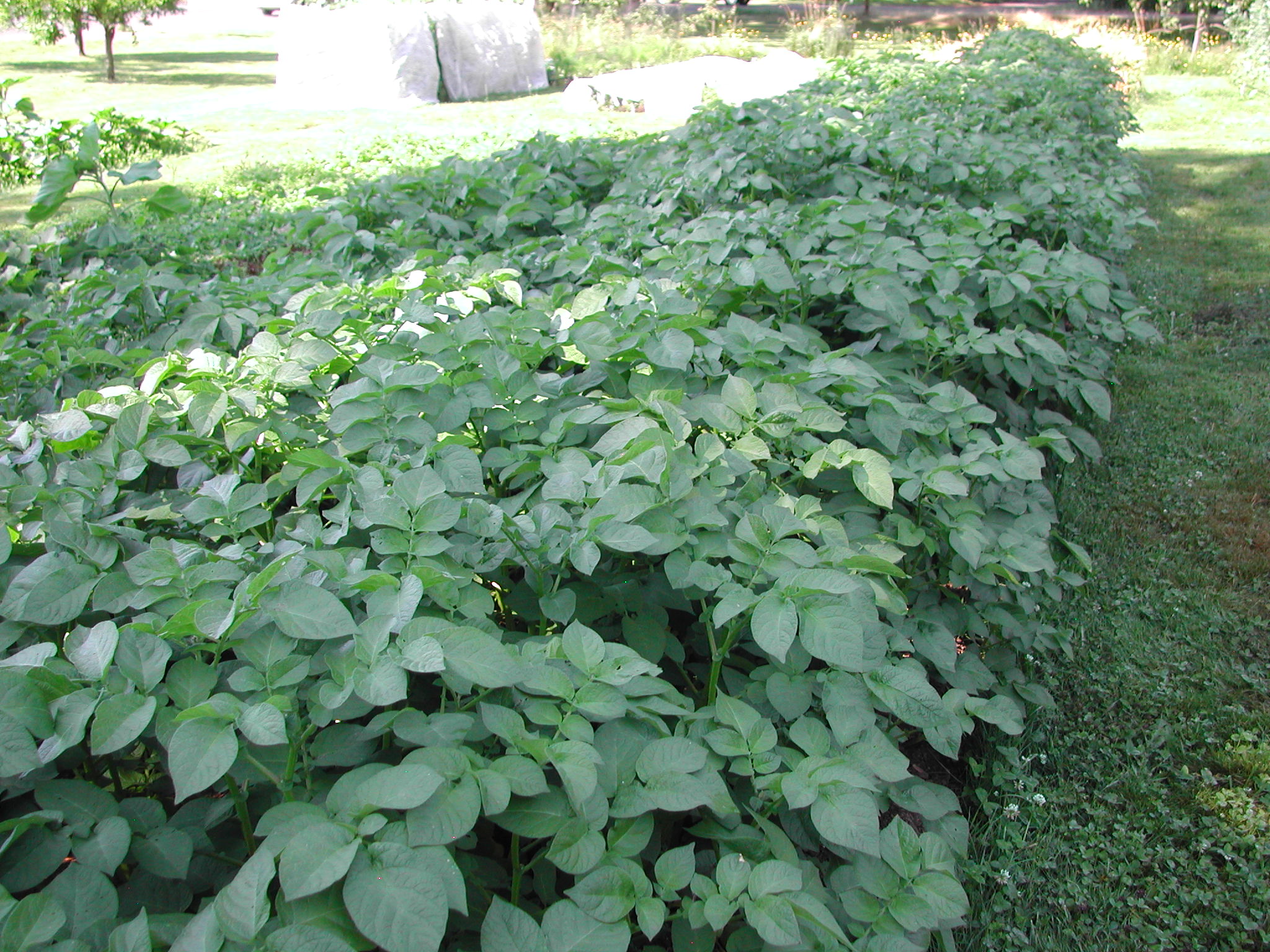
The potato plants look great right now…I hope they keep it up!
New Tools
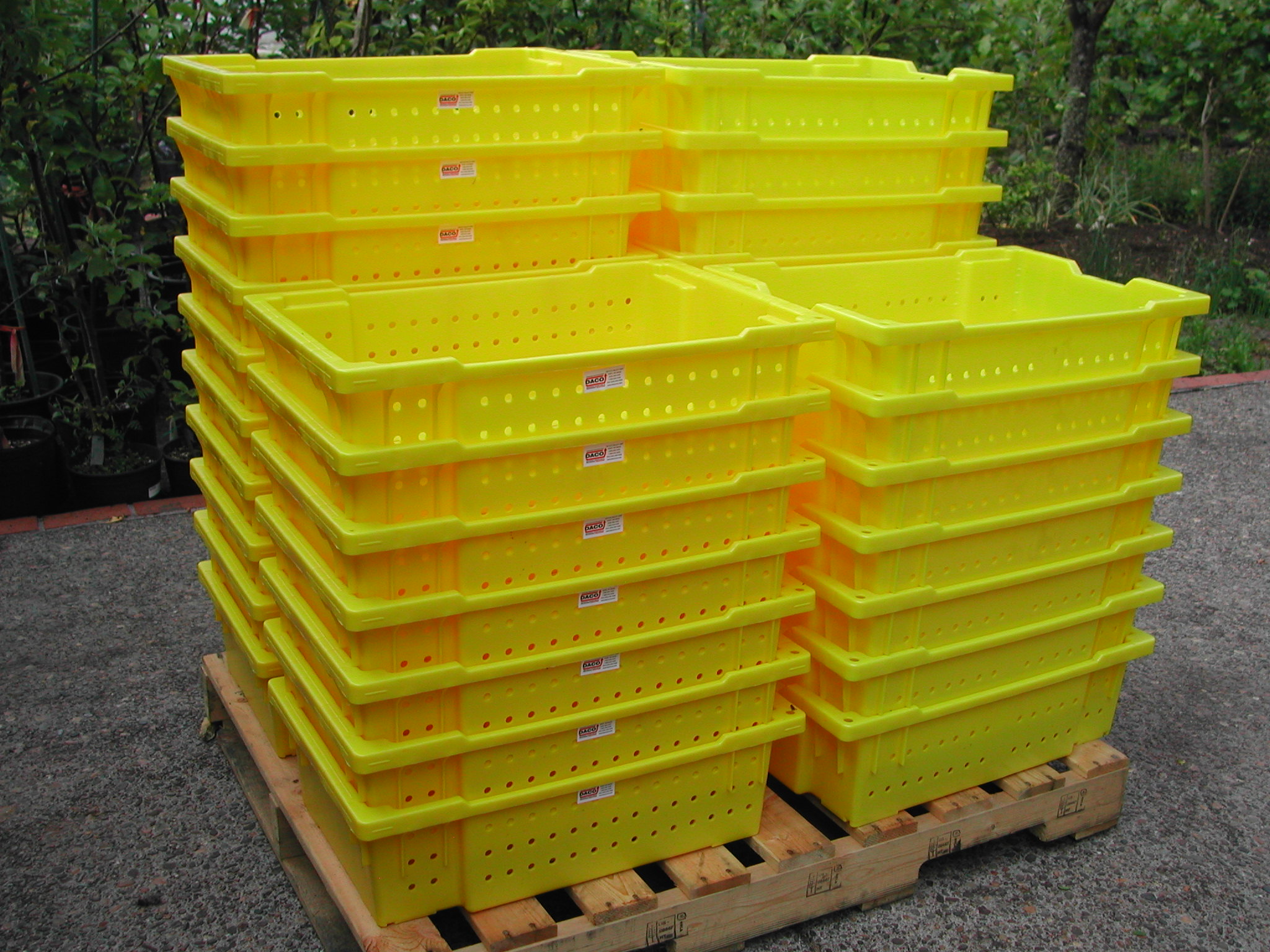
One of my new tools: harvest bins
I like a good tool, especially one that can help me get a job done more quickly, efficiently and effectively. Two weeks ago, I bought a couple new tools that fall into the good tool category. As a bonus, they made me feel like a real farmer; one of them, especially.
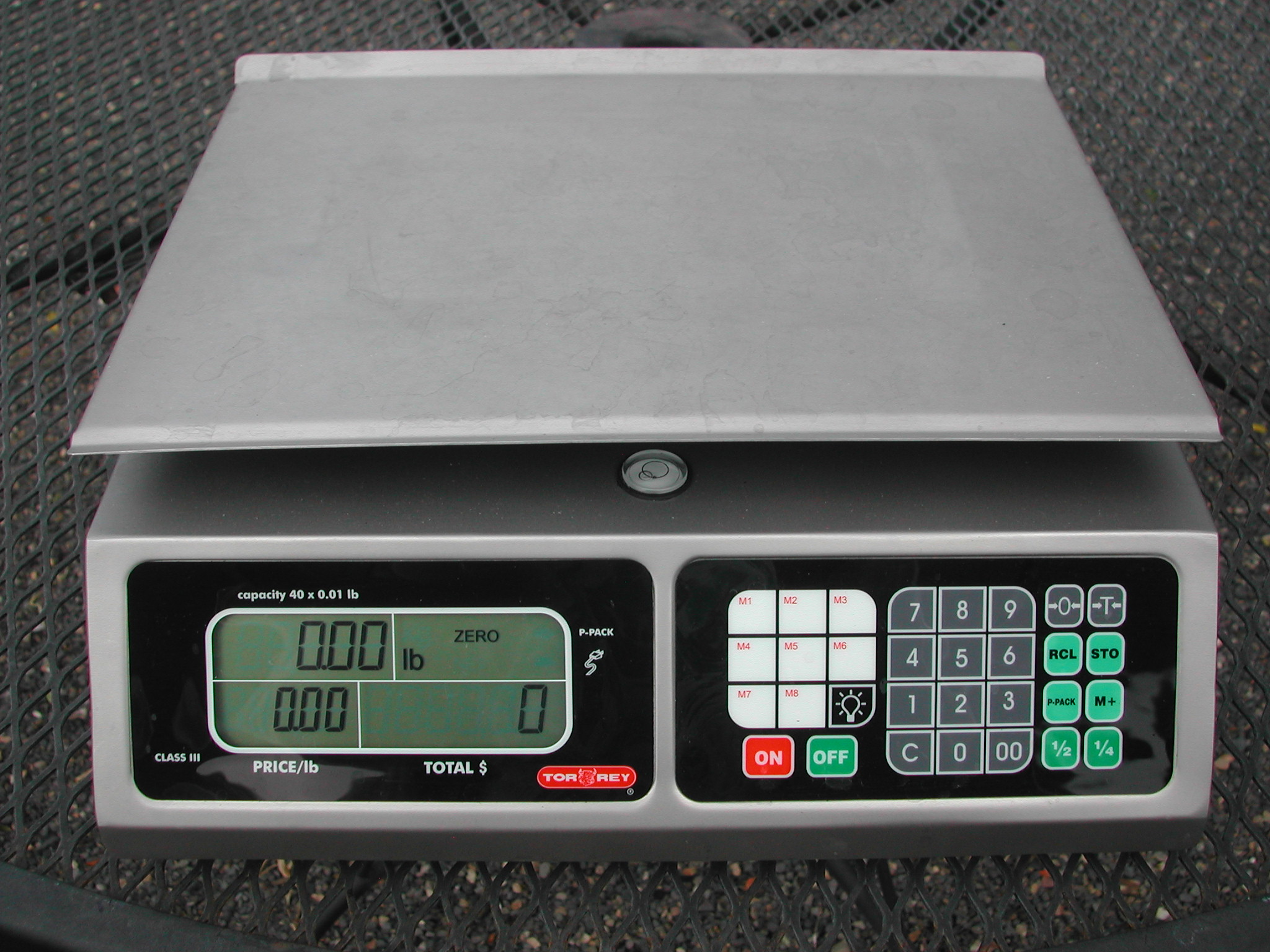
The Tor Rey scale can weigh from 0.01 to 40 pounds
The first tool I purchased was a Tor Rey scale. I had been wanting to buy a scale for a long time and when I got the name of the local company (A-1 Scales & ABM Equipment Company) that sells them to many of the area farmers, I jumped on it. I had been using a kitchen scale to weigh produce, but a kitchen scale is not legal for trade. My new scale is. (Just so you know, in a comparison to the new scale, the kitchen scale was accurate.) All I have to do is send $39.00 to the Oregon Department of Agriculture, along with an application and I am legal. (I just got the application paperwork yesterday; I’ll mail the check today.) That yearly fee, along with a yearly inspection to make sure the scale is accurate, will keep me on track. I don’t have to use a scale to sell produce. I can sell produce by the bunch or individual piece, as I do with some items. But, even when I do that, I like to weigh out some bunches to keep them more uniform. Selling by weight, though, sometimes just makes more sense to me. When there can be a lot of variation in the size of an item, like some winter squash that can range anywhere from 5 to 20 pounds, selling by the pound does make sense. I am not sure that this scale makes preparing produce for sale happen any faster, but it is efficient and effective (and legal) for the job.
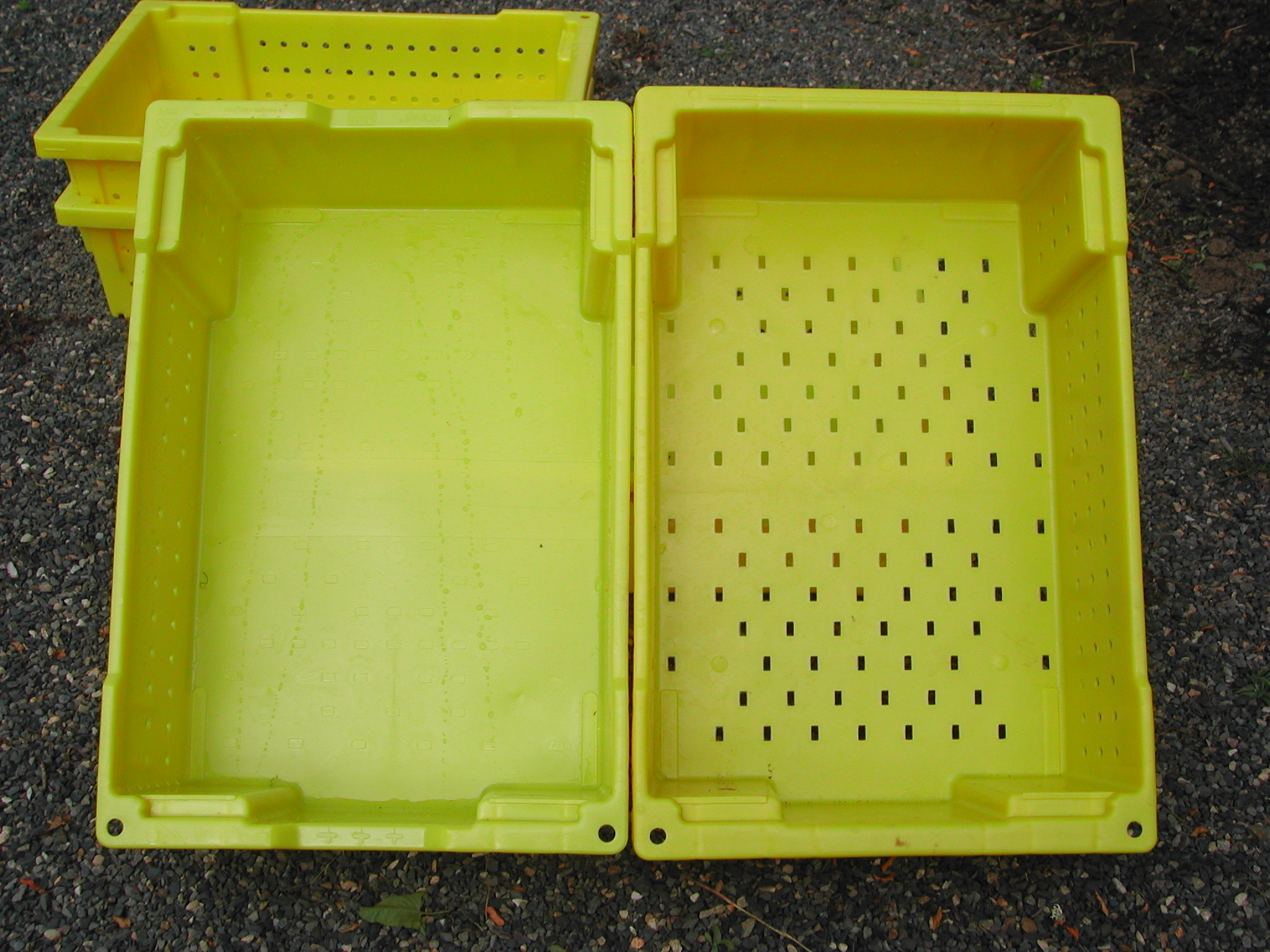
Two styles of bins: solid bottom and slotted bottom
My other new tool is the one that made me feel more like a real farmer. I bought 40 new harvest bins, just like the ones that real farms use. Harvest bins may not seem like much of a tool, but having something big enough to hold a good amount of produce is definitely quicker, more efficient and more effective. Before these came, I was using two bins that were a little more than half the size of the new ones. I could fit 3-6 heads of lettuce in a bin. Now, I can fit 10-12 heads. When I need 20 heads of lettuce to fill the days orders, that makes a difference. It is nice to have so many available to use, too. I can fill as many bins as I want, without having to empty any out or rewash them.
Sometimes one new tool leads to another. The harvest bins got me thinking about the next new tool I might need: a flat bed utility cart. It would be nice to carry more than one bin at a time from the garden to the washing/packing area. I have an idea where I can get one…
Summer Begins

Tomato blossoms: summer is coming
Summer begins today. The Oregonian gave its seasonal recap of the spring weather and the summer forecasts. It was a record breaking spring: more rainfall than previously recorded. To me, this spring didn’t seem wetter than the last few have been. One reason could be our actual rainfall on Sauvie Island is different from what falls at the airport, where records are kept for Portland. The other is the rain came in March, instead of May or June, like a few years ago. I expect more rain in March.

Some snap peas ready to pick
I have noticed the below average temperatures this spring. Usually, around June, there is a point where things pop and really take off. It just doesn’t seem like that has happened yet this year, at least not for the vegetable plants. The weeds are growing like crazy, but they always do. Don’t get me wrong, the garden is doing great and most everything is looking pretty nice. It is just growing at a slower pace. There have been times when I swear the peas grow while I am picking them. I pick down the row one way, then go back and by the time I get to where I started, they have grown and more are ready to pick. (Okay, okay, the reality is I just missed them the first time, but you know what I mean.) Another marker is when I can put zucchini on the list. Last year was a pretty cool spring, too, and I sold the first zucchinis the last delivery of June. It took a few weeks before they were on the list for both delivery days. You really notice when zucchini experience the burst of growth. You almost can see them growing. I pick them every day at their peak, sometimes even twice a day.
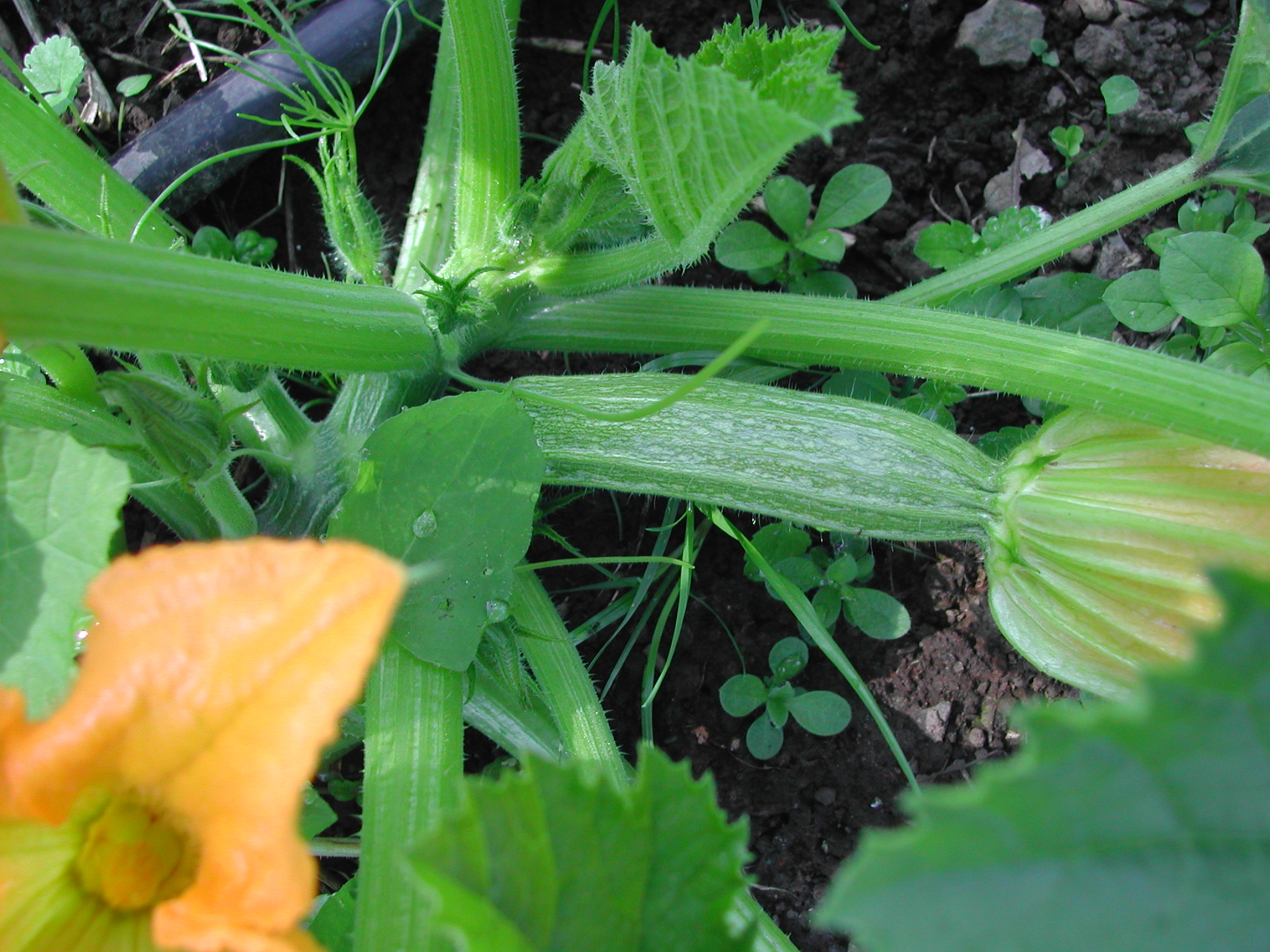
I think this will be the first zucchini of the year
What about the zucchini this year? I have seen the first fruits forming, but I am not sure when they will be ready. Warmer temperatures today and tomorrow could help. The forecast for the summer is a 50-50 chance between average and below average temperatures. I am not always an optimist, but with the weather, I will keep hoping it swings to the average side. You may have noticed on the side bar of the blog I put links to the weather webpages I use. I have to laugh at the Accuweather forecasts. One day I look and the long range forecast is all sun. I look again the next day, and it is mostly cloudy and rain. I can’t figure it out, but I keep going back. They do keep a nice summary of each month and how it compares to average.
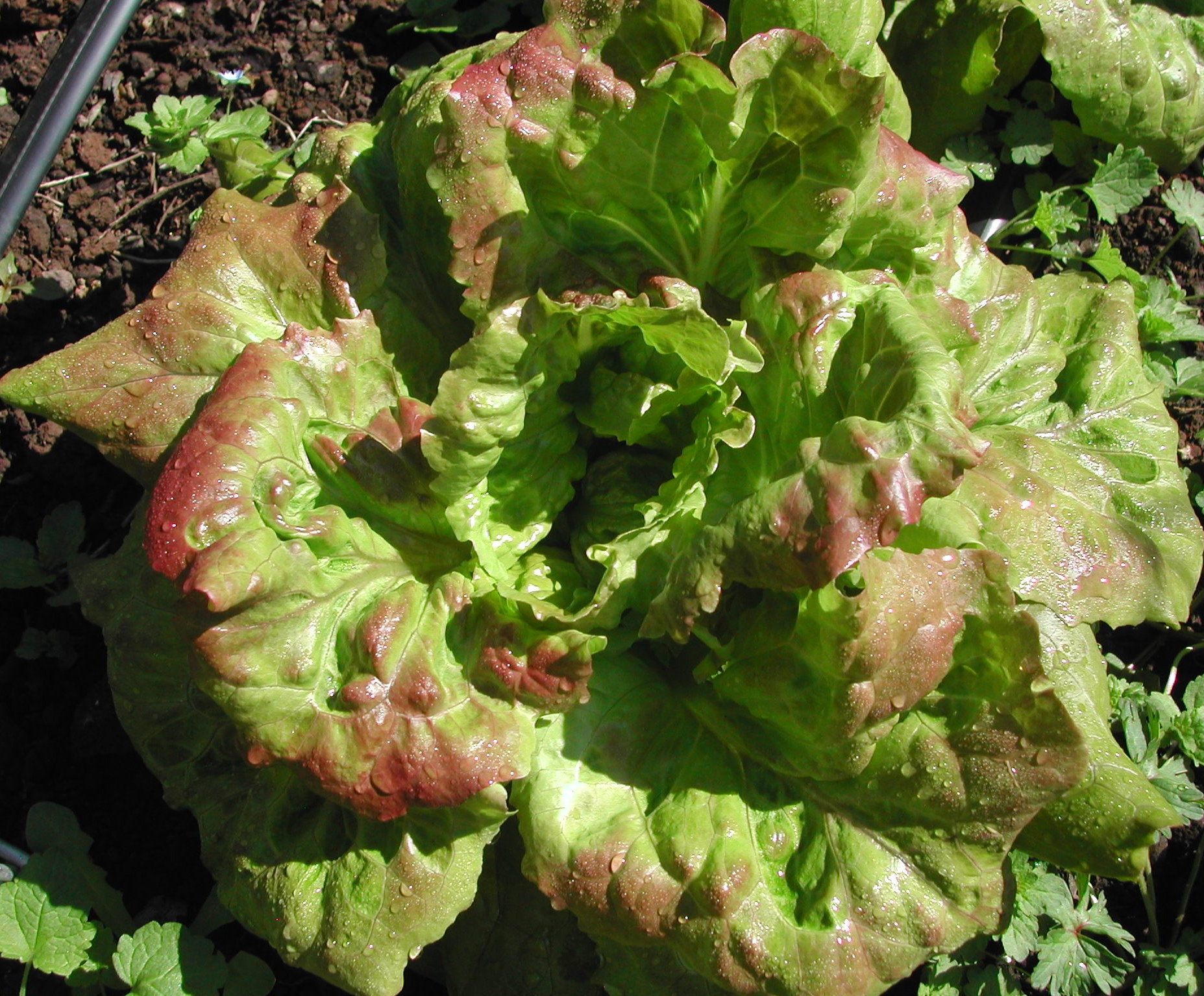
This beautiful head of Grandpa Admires lettuce will be ready soon
Right now, Accuweather’s 25 day forecast is looking pretty darn nice…only a handful of cloudy or showery days and no rain forecast yet for July. The National Weather Service forecast for summer is drier than usual. I’ll keep hoping for warmer, too.
Surprise!

What a beautiful surprise! I cleaned up the chard this week. Now you can see the brilliant colors.
It has been an interesting week. Harvesting is just beginning. The weather is up and down, not sure if it will rain or be sunny and warm, and our suspicion of skunks hanging around the house was confirmed.

The (mostly) fava bean pasture for the girls. The beans are getting tall!
We had a surprise Saturday morning when we went out to do our weekly chicken coop clean up. I grabbed one of the water fountains and said good morning to the girls as I walked by the coop run, on my way to wash out the fountain. They were all together at one end of the run; not too unusual. Steven was on his way to let them out of their predator-safe coop and run, into their day pasture. Instead he let them out into the yard, because, surprise!, two skunks were inside the coop run! The skunks were opposite the girls, at the other end of the run, under the coop. Neither were bothering the other. If the girls were upset by the intruders, I didn’t notice. Steven opened the gate out to the day pasture and the larger of the two skunks scooted right out into the pasture, underneath the netting and under one of our sheds. The other skunk, which looked like a baby to us, could not figure out how to get out of the coop run. Since it was under the coop, it was hard to get to, but Steven was eventually able to prod it out. It did attempt to spray him, but not much spray came out. We could only guess it was too young to have fully developed it’s spray equipment. It finally left the coop and ran under the fence into our neighbor’s yard.

An Ameraucana in the fava bean pasture.
There was no sign of forced entry into the coop run. Most likely, the skunks had wandered into the coop run before we closed the gate from the pasture Friday night, and we shut them in. Luckily, skunks don’t usually eat full sized chickens, though we hear they could eat small ones and definitely like eggs. We don’t know for sure if they were living under our shed or somewhere else (at our neighbor’s?). We decided to try to live trap them, regardless. I had no desire to run into skunks in the evening.
The first night, we caught a cat. On the second night we, amazingly, caught both skunks together. Great, but how do you transport them without getting sprayed? Our neighborhood farm store, Linnton Feed & Seed, gave us some tips: walk up to the cage with a tarp in front of you, cover the cage with the tarp and keep it covered until you let them go. If nothing else, the spray won’t go directly on you. Steven got the cage into our pick-up without any spraying, though we could smell the scent by the time we got to their new location and let them go. We’ll put the trap out again, to make sure there aren’t any more skunks hanging around, but I think we’re in pretty good shape now.

One of the Dominiques
As for the girls, they are doing fine. They were curious about that baby skunk, and got as close as they felt safe to watch it, before it found it’s way out of the coop. This event ended well for the girls, but they had a harder winter than usual. I mentioned in a previous post that one chicken died in December. We lost three more by the end of April. Now we are down to six chickens. We were planning to get some new chicks this year, but with the possibility of a move, we decided to wait.
It was a good week. But, I’ll stick with the beautiful surprises, like the chard pictured above, instead of the smelly, skunk surprises!
First Harvest of the Season

A pound of snap peas, the first of this year’s harvest
One of the things that keeps farming interesting, is how the work changes throughout the year. Each part of the year has a focus, where one area of work takes center stage and though the other areas don’t end, they take a step or two back out of the way. In January, the focus is on paperwork: planning and preparation for the coming year. The first shift comes in February, with a move away from paper, to dirt and seeds and outdoor tasks: starting seeds, preparing ground and planting for annuals; pruning and maintenance for perennials. This week brought the next shift to a new focus: harvesting.

Lacinato and Red Russian kale from today’s harvest
We had the first harvest and delivery of the season this week. It is one of the major milestones of each year, and my work takes a significant turn. I do as little paperwork as I can get away with: keeping records for crops and for the business side of things, sending the weekly order e-mails and posting on the blog. The planting, though it continues into the fall, eases off, with the majority of the plants in the ground. Weeding always needs to be done, but soon, with summer heat and less rain (we can hope), the weeds won’t grow so fast. The pressure to weed eventually eases, too.

Green onions, standing at the ready
In the beginning of the harvest season, there isn’t as much produce ready to pick and I spend maybe two days worth of time each week on harvest and delivery, but by the peak of the season, from late August to early October, I spend a lot more time, as many crops need to be picked on a regular basis; with some being picked everyday, like zucchini and cucumbers. But this is what all the work is for; the crunch of snap peas eaten out of hand, the buttery sweetness of lettuce that hardly needs any dressing at all, the burst of juice from a cherry tomato in your mouth; good fresh fruits and vegetables, in our refrigerators, on our plates and in our bodies. I love it when the refrigerator is full of bunches of kale and chard and bags of peas. And if I need a green onion, I can run out to the garden and get one.
This week was the first harvest of the season and I couldn’t be happier.
They’re Baaaack!

Evidence
Yesterday, at breakfast, I saw them in our garden for the first time. I have seen evidence of their visits, but actual sightings have eluded me. I was sitting at the dining table, eating breakfast with some family visiting for the weekend, when we saw them in Baileys Nursery’s field, across the street. There were two of them. They were strolling toward Sauvie Island Road, getting ready to cross the street and head down over the dike to the Multnomah Channel. A car came up the road toward them and they all stopped. They waited for the car, the car waited for them. Who knows how long they all would have stood there, each waiting for the other to go first, if it wasn’t for another car that came to break the stalemate. That was when they turned toward us, crossed Reeder Road and came into our yard. For the first time, I saw the deer in our garden.
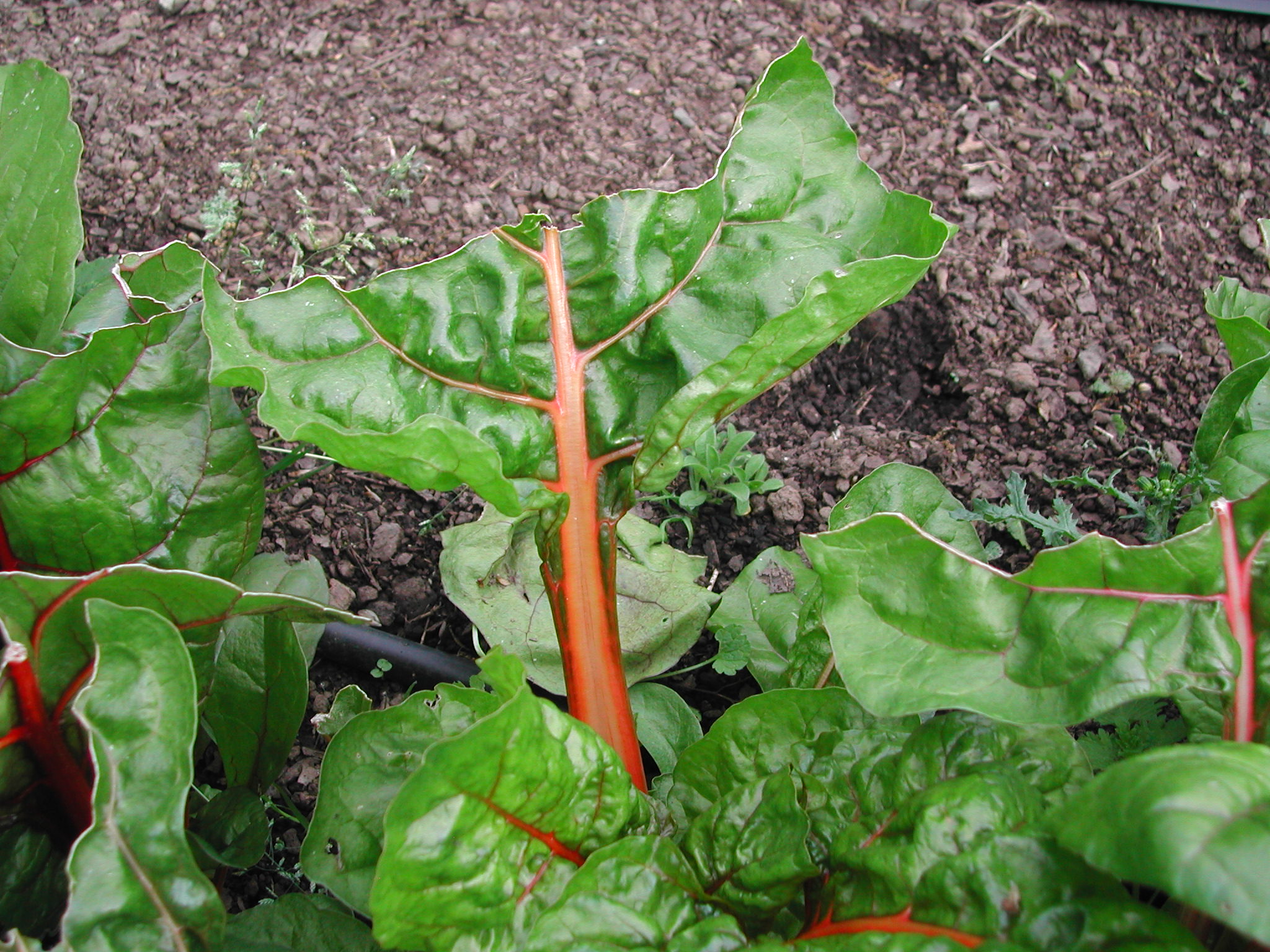
Nibbling on the chard
There are lots of deer on Sauvie Island. I have seen them at the Wapato Greenway, a state park a little less than a mile from our house. I have seen them crossing Baileys fields before. Lots of neighbors talk about the deer in their yards and what they do to keep them out. We didn’t seem to have much of a problem with them until last fall, when they started stopping by and nibbling on things. It wasn’t too bad then, since everything was big and they didn’t seem to eat too much. But, now, with little starts going into the garden, when they nibble, they don’t leave much behind. They took out some kale and peas soon after I planted them, so I knew I had to do something.
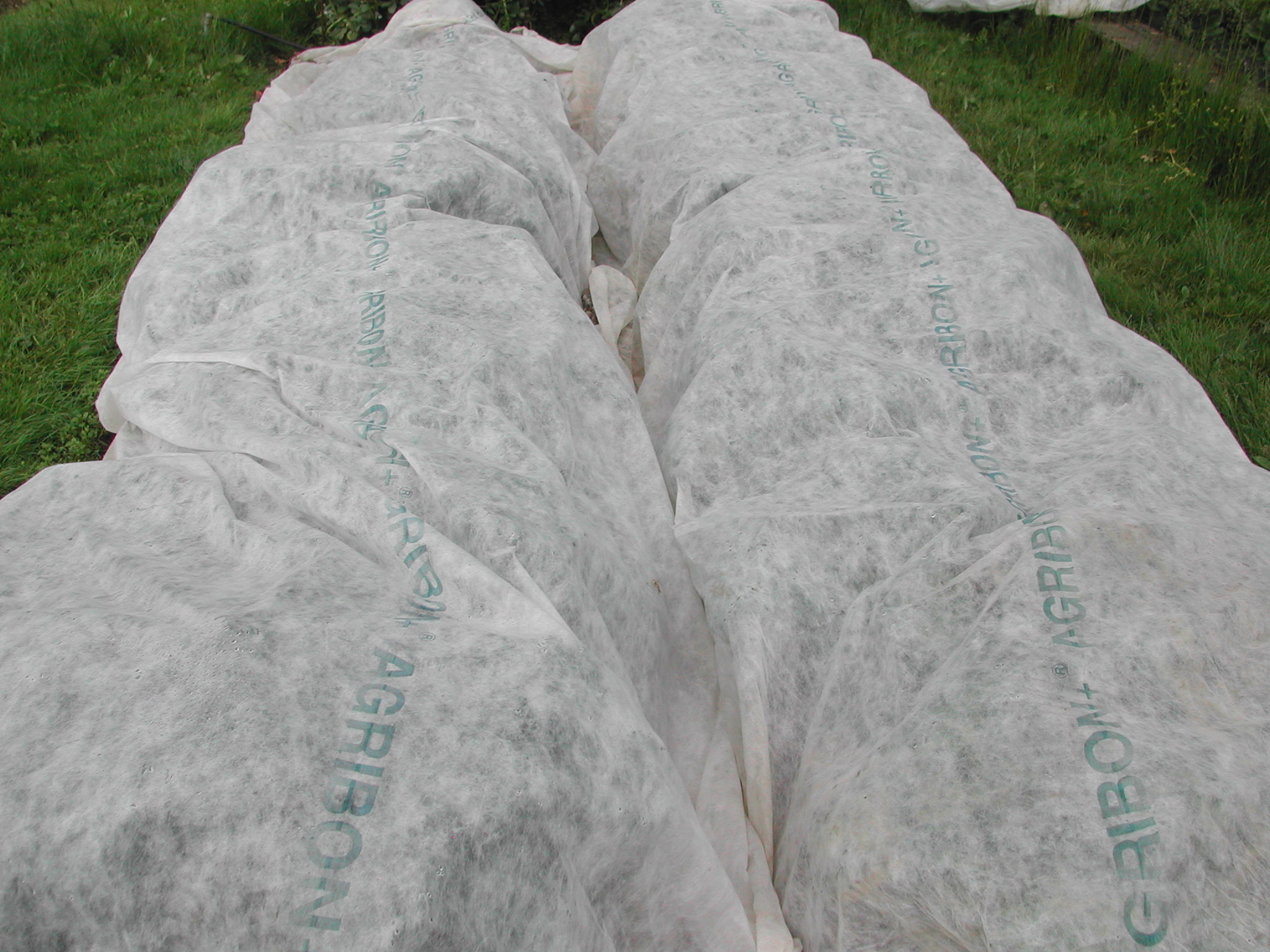
Keeping the kale covered
The quickest thing I could do was cover up the crops they were eating. Easy enough for the kale, just throw some row cover over the rows at night. I decided not to cover the Swiss chard, since I have quite a bit and it was pretty big. For a few beds with peas, I put up deer netting around the bed. They could jump over it, if they wanted, but the area is pretty small to jump into and I expect it will not be worth their effort. (So far, so good.) The netting did cause a little trouble for the peas as they started growing through it. I took it off some vines and covered them with row cover. That will be easier to take off when I start picking peas.
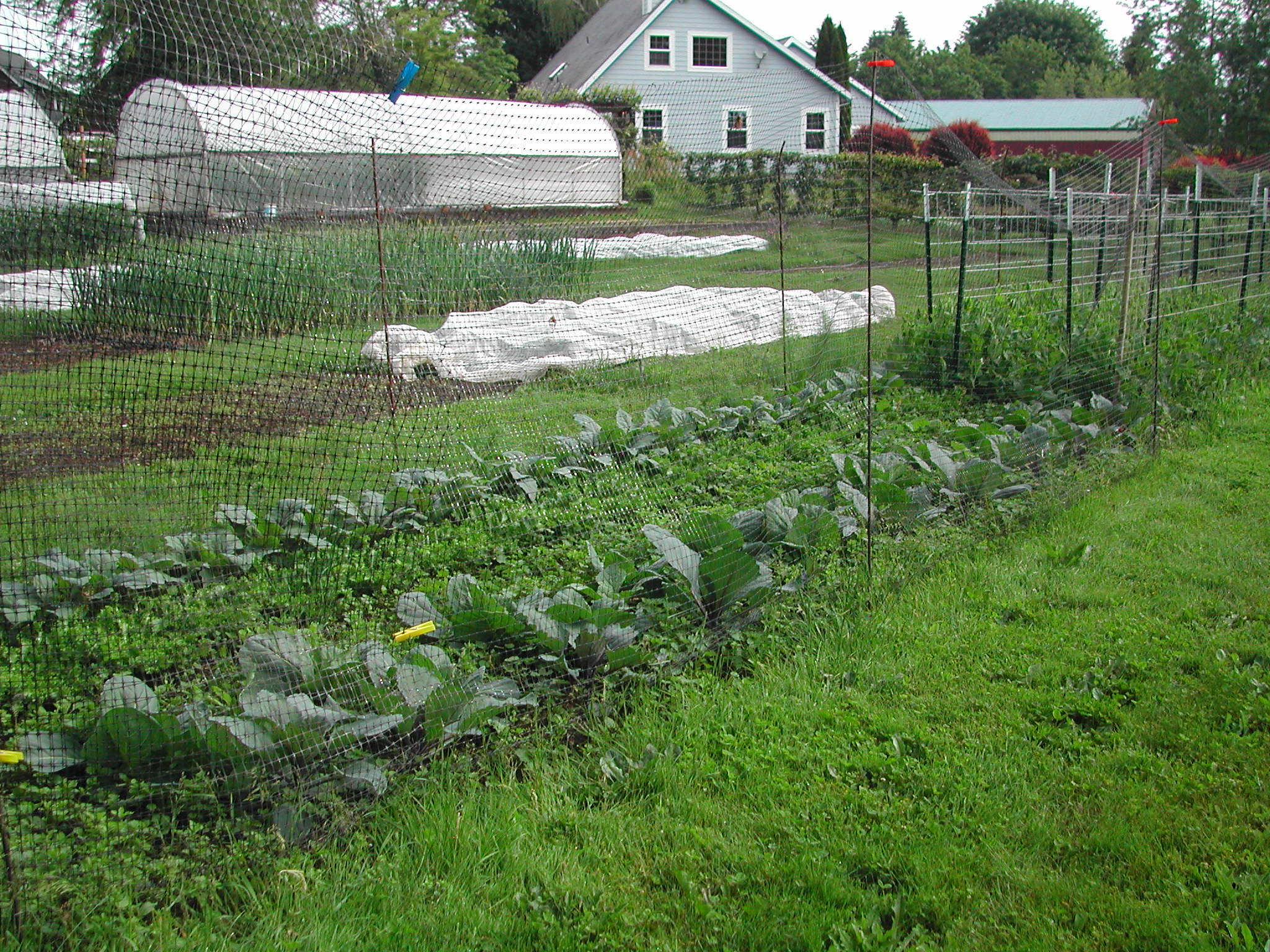
Deer netting around a bed with cabbage, peas and other crops
Luckily, there are some crops they don’t like to eat, like tomatoes and squash. I am not sure what I would do if I had to cover or fence everything. I am still trying to decide if there is a better solution. I have heard of a few things that other farms here have done: electric fencing and special hunting permits to kill the deer. But for me, electric fencing? maybe. Hunting? yeah, right. I saw an electronic post that attracts and then shocks the deer to scare them away. It sounds a bit too easy to be effective, but it could be something to try.
For now, until it gets to be too much trouble, I’ll keep things covered up and see if the deer keep coming.
Bloom and Grow
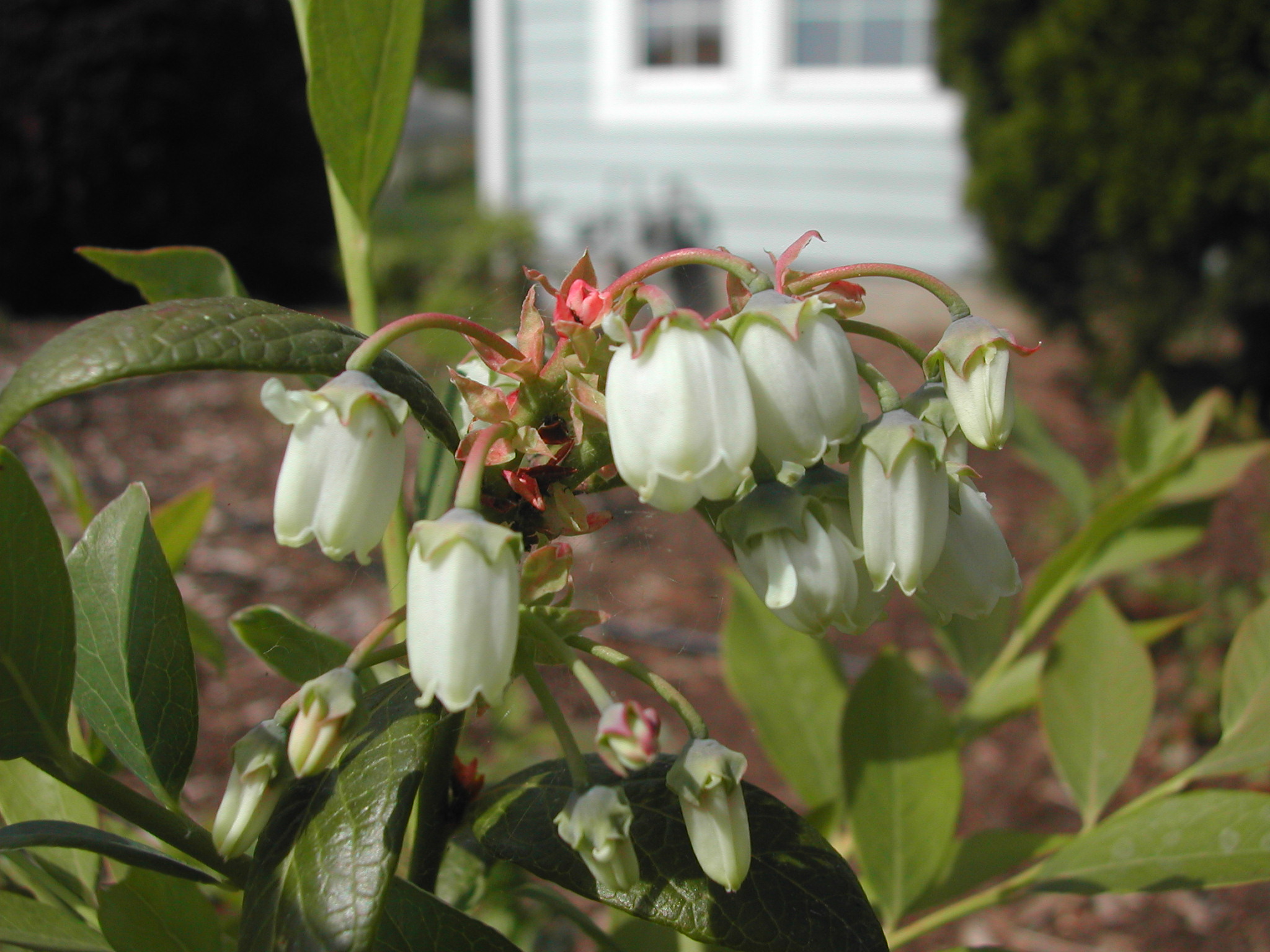
The last of the blueberry blossoms.
It is raining today; not that I will complain after two weeks of pure sun. Sunshine has such a beautiful way of lifting the spirits, doesn’t it? I could definitely tell the difference in my outlook yesterday when the drizzle started a day earlier than I expected. I was ready for the rain today and had planned for some time on the computer. It is much easier to sit at a computer when it is raining.
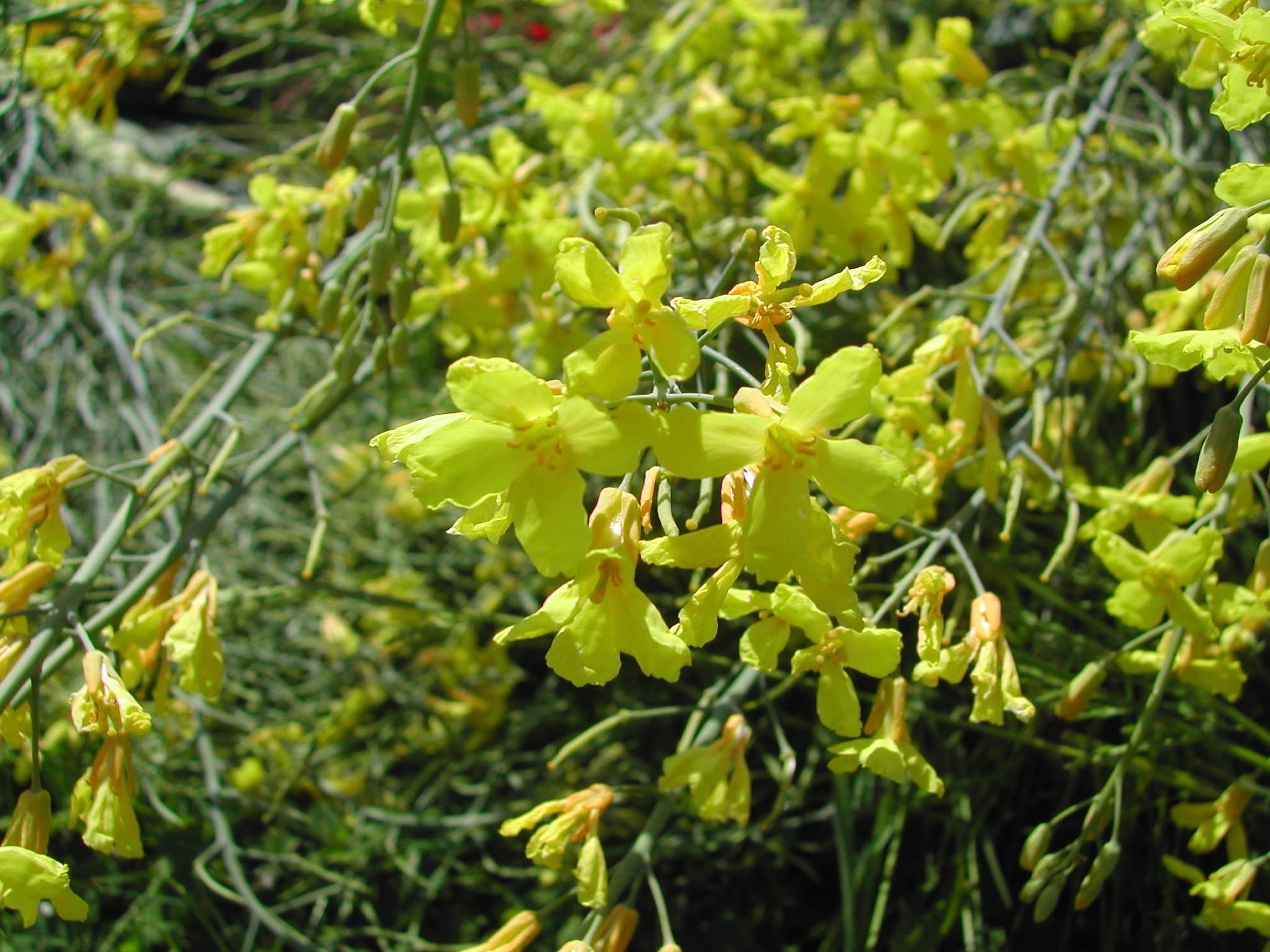
Blossoms on last year’s kale
We are two months into spring and the garden is growing. Yes, I did have the song Edelweiss stuck in my head last week. Everything is blooming and growing. The blueberries are finishing up with their final blossoms and setting some nice berries. We took out the last of the kale last week, in full bloom, along with the crimson clover cover crop. The beds are all prepped for planting and we are getting closer to the end of the main planting time. (Planting does continue all summer into fall, but at a much less intense pace.) This is what is planted and growing in the garden so far: garlic, fava beans, peas, carrots, beets, lettuce, fennel, endive, cabbage, kohlrabi, scallions, chard, kale, mizuna, bok choi, spinach, parsley, onions, leeks, potatoes, tomatoes, zucchini and some other summer and winter squash (the last four went in just this weekend). Hopefully, by the end of the week, the rest of the squash will go in, along with more lettuce, some dry beans and the first snap beans.
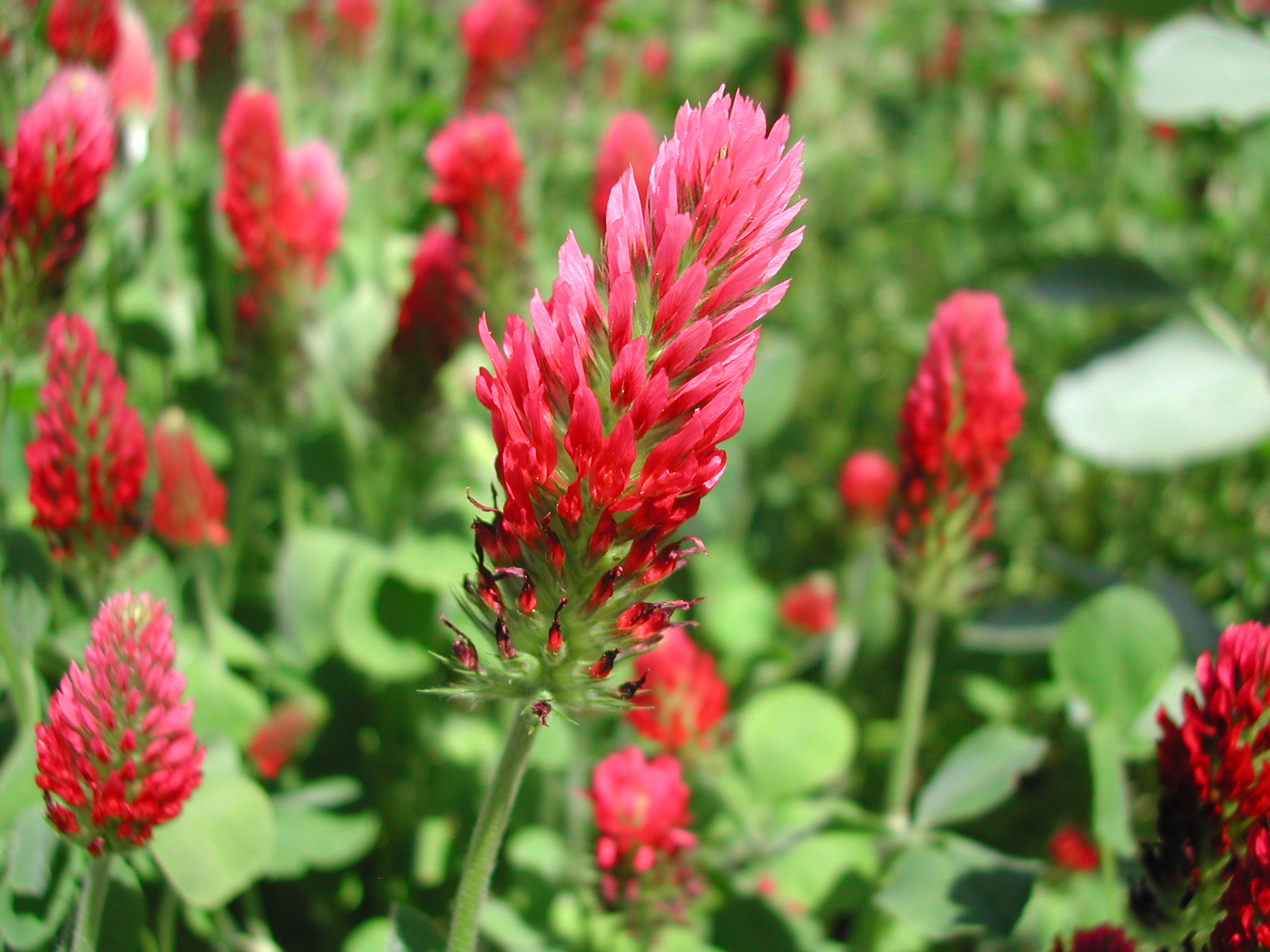
Crimson clover
Though I picked the first handful of peas this weekend, I am expecting the harvest season to start the first full week of June. A little later than I had planned for, but certainly not unusual. There are a few reasons for a later start. First, some of the early seeds I started did not do well and I had to start them over again. I start them in the basement, under lights, and though I followed my usual protocol, I don’t think I let them dry out enough between waterings and they suffered from damping off disease. Then, we had record rainfall in March, which slowed down bed preparations some, though not as much as you might expect.
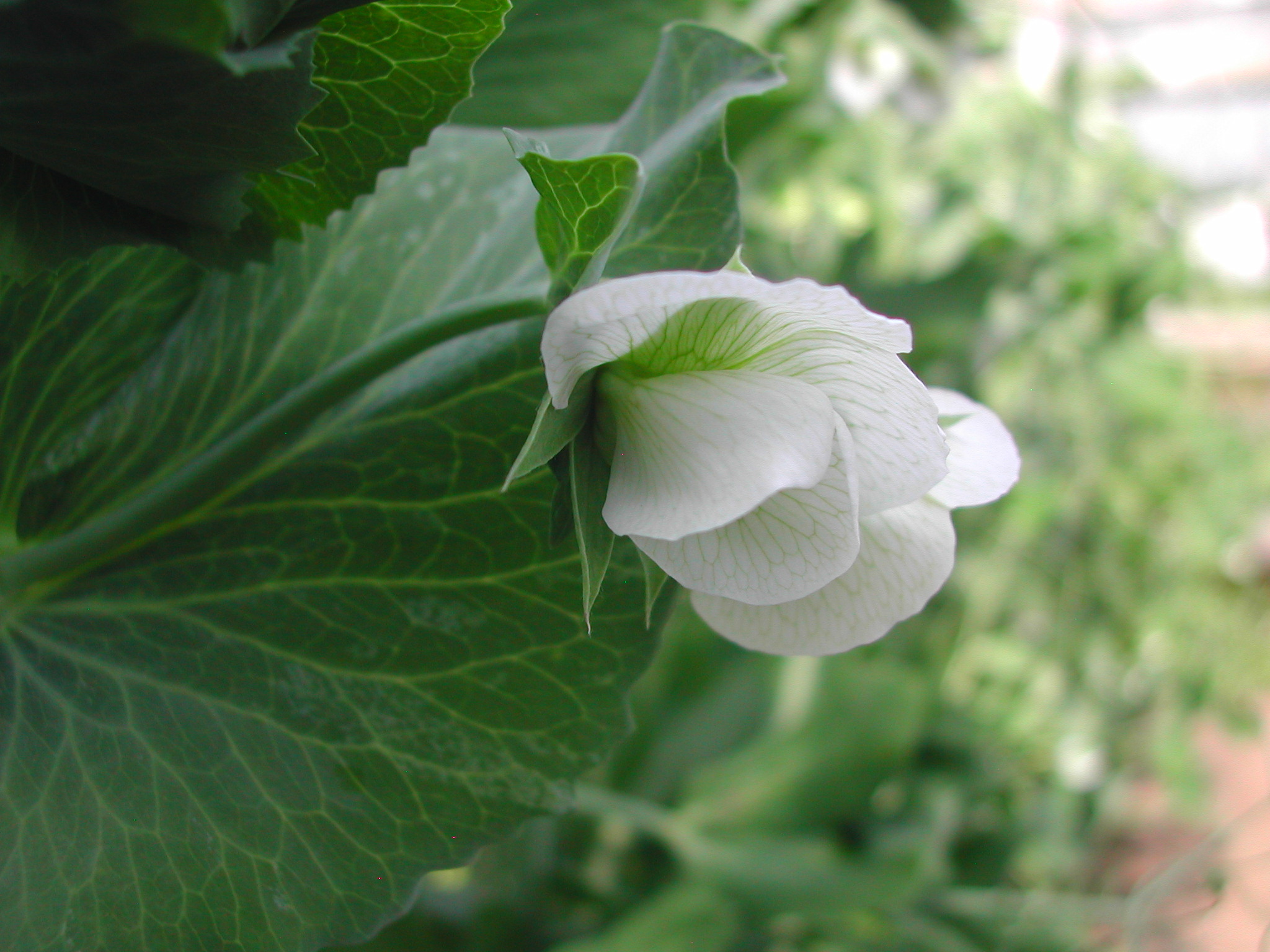
A pea blossom
The final reason for a later start is that my time and attention have been diverted some this spring. We have been fixing up our house to get it in shape to sell. Steven and I have been dreaming, thinking, and looking for a few years for a larger piece of property that we could farm full time together. Though our little 1.25 acres has lots of potential for production, it is not enough to financially sustain us. Farming full time, as a sole source of income, is quite a scary thought, given how few small family farms survive without some off-farm income. After much discussion, we have decided the reward is worth the risk. If we were to wait until Steven retired, our bodies would be too old to do all the work needed. We have found a few properties with possibility and even made an offer on one three or four weeks ago, though it didn’t work out. We are still looking, so if you hear of some land with farming potential, let us know. Even if we do find something, we will still have this season here, or at least, most of it, and I am looking forward to what it will bring.
We’ll see where this dream takes us.
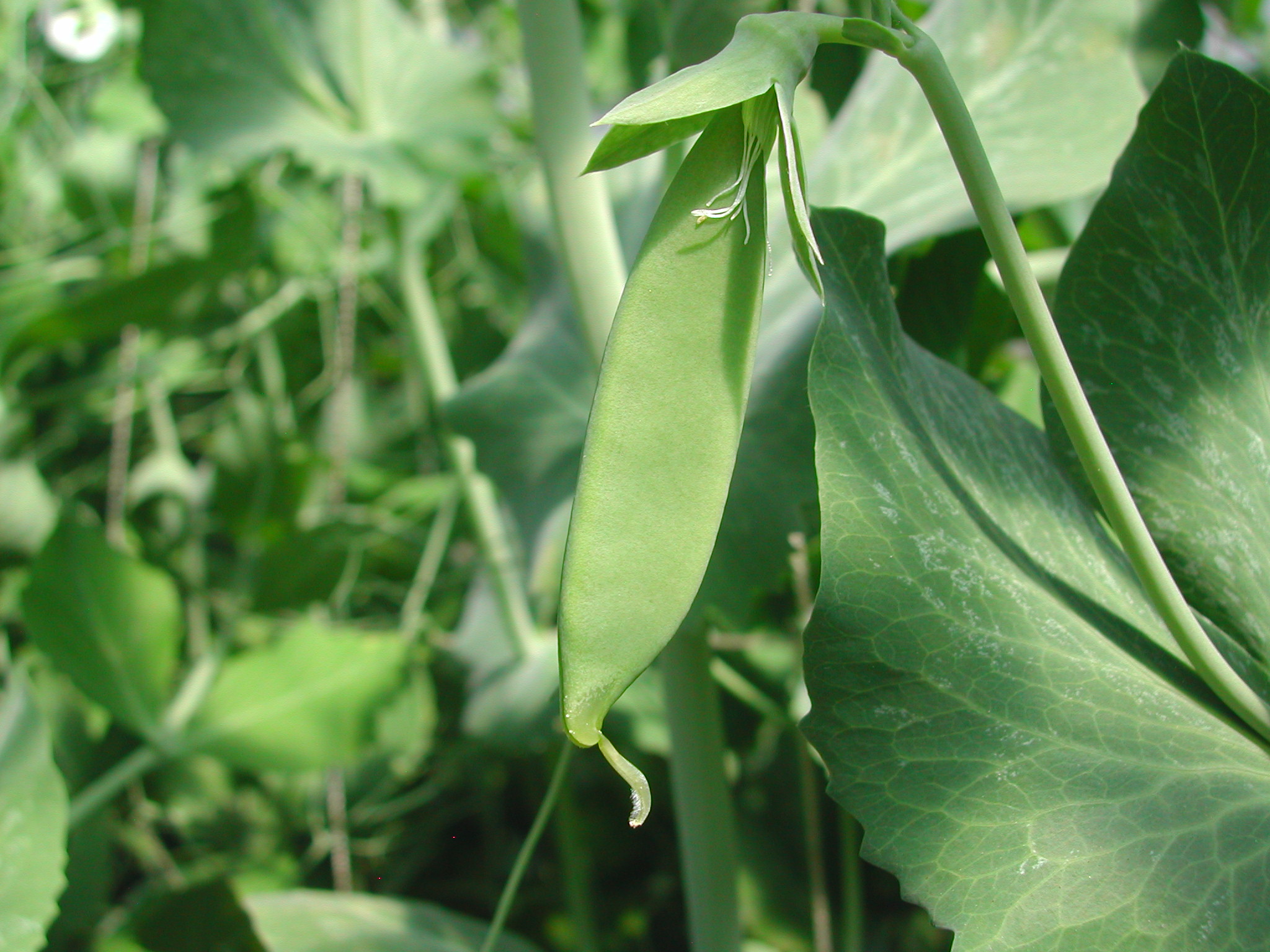
The first of the peas…yes, I ate it.


