A Productive Week

Cover crop seed: the small ones are crimson clover and the big ones are fava beans.
It feels like it has been a while since I have had some good productive days in the garden, but this week I did. On one day, I weeded and thinned a big bed of carrots. On Friday, Jonas and I prepared some beds for planting and I sowed them with cover crop seed. There are some good reasons why I don’t seem to get so much done lately. One reason is that harvesting and delivering still take two to two and a half days worth of time each week, though that will be changing a bit, as less produce comes out of the garden. Another reason why not so much seems to get done is that the days are getting much shorter. According to one website I found, timeanddate.com, we had just about eleven hours between sunrise and sunset today. Compare that to June, when that time peaked at a bit over fifteen and a half hours. You can get a lot of work done in four and a half hours.

No listing or for sale sign, but we did get a lock box.
There is a third reason why not so much has been getting done in the garden and I think a much more significant one, or at least one that doesn’t happen every year. It has to do with our search for a farm. Since I wrote about looking for a farm last spring, we have made offers on two farms that didn’t work out. With the second one, we were poised to put our house on the market and decided to just go ahead and do it, thinking it would take a long time to sell. But before we could even get a listing or a sign up, we had an offer on our place. The deal is still not set in stone, but it is looking pretty solid now. Once we had that offer, we took our farm search much more seriously and have spent a day or two each week looking for a farm and working on tasks related to selling our house. It has been a bit of a roller coaster ride, finding an interesting place online, seeing it in real life, and then something takes it out of consideration. But, as of today, our offer has been accepted on a third farm that we are both excited about and is the best match to our dream farm yet. We have lots of hoops to jump through in the next few weeks (inspections and soil and water tests, etc.), but we are hopeful this one will work out. I am going to refrain from saying too much more until everything is on track for closing the sale. If it works out, I’ll tell all about it; even more than you’ll want to know!
The Most Beautiful Autumn Ever
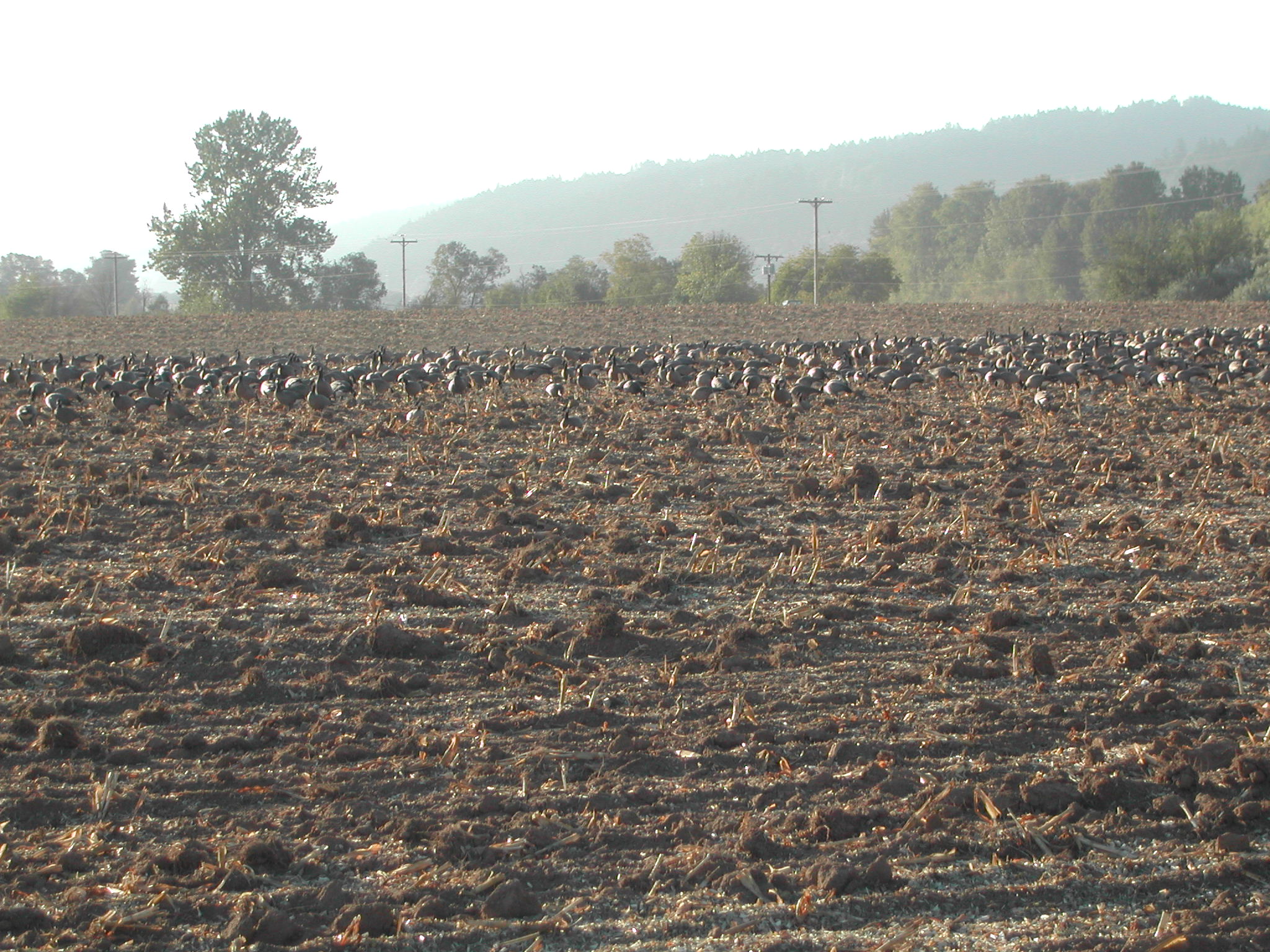
Geese in the field across the road
This has to be the most beautiful autumn ever, or at least since I have been in the Portland area. The Oregonian reported that it was the driest three months (July to September) on record, even though for the water year (October 1, 2011, to September 30, 2012), we had above average rainfall. Just not in the last three months. The dry weather is supposed to continue, though I did see some rain forecast for the last half of October.
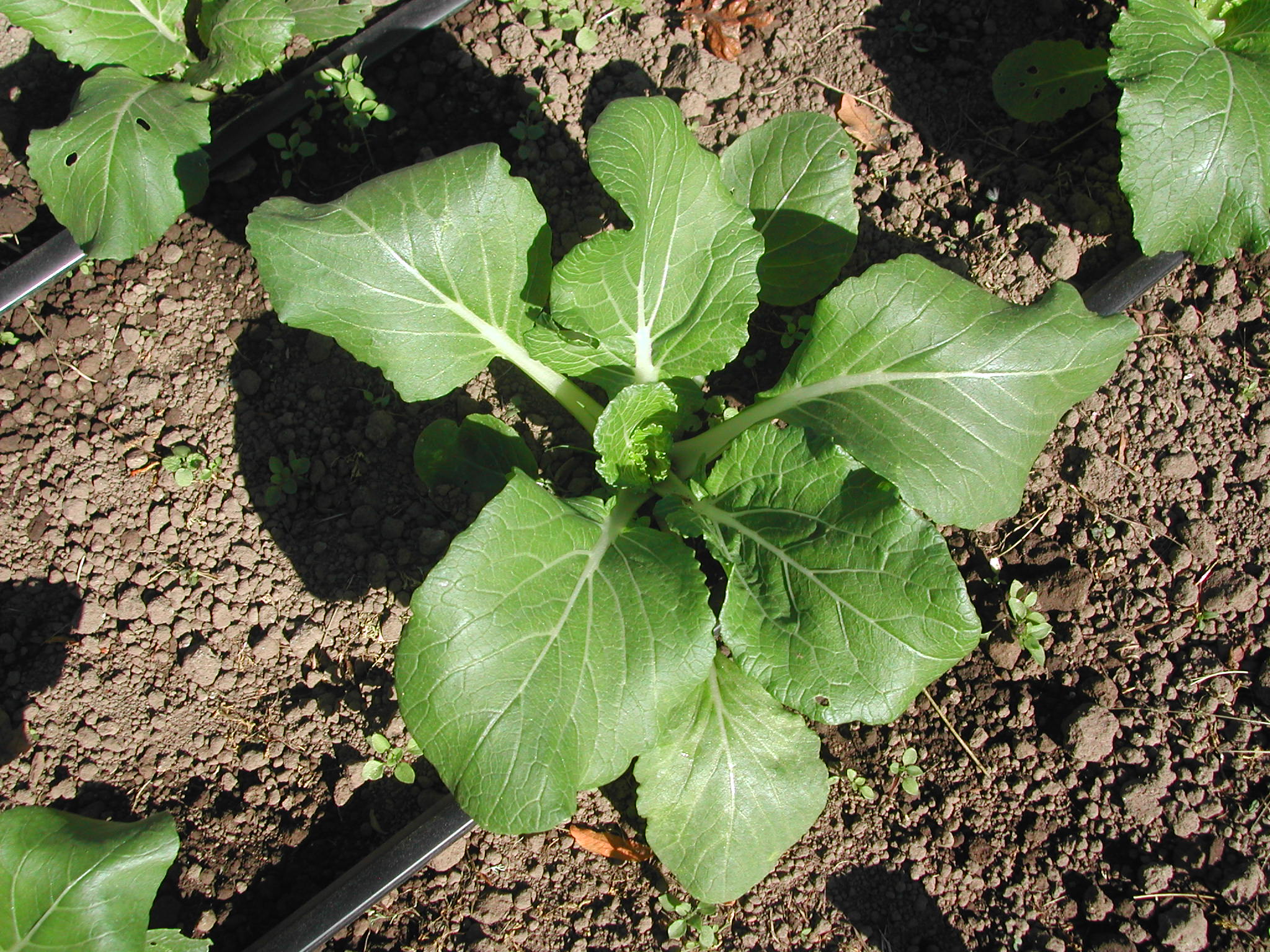
Bok choi may be coming soon
The garden is doing just fine without the rain. I can still water what needs water, though in the cooler temperatures, I tend to forget to do that. The days are shorter and much cooler, so things are really slowing down. I think we’ll get another week of tomatoes, but that might be about it for them…they are tiring out and ripening slower. I keep working on the timing of my fall crops and hope I got them in soon enough. There is a batch of lettuce that should be ready in a week or so and the last planting of beans is just about ready to pick. There could be spinach, arugula and bok choi by the end of October, but I just can’t say for sure if they will make it. There are still lots of carrots, though they may not get to full size, either. I thought I got the cabbage and Brussels’s sprouts in early enough, but again, I am not sure they will fully mature. We’ll see.
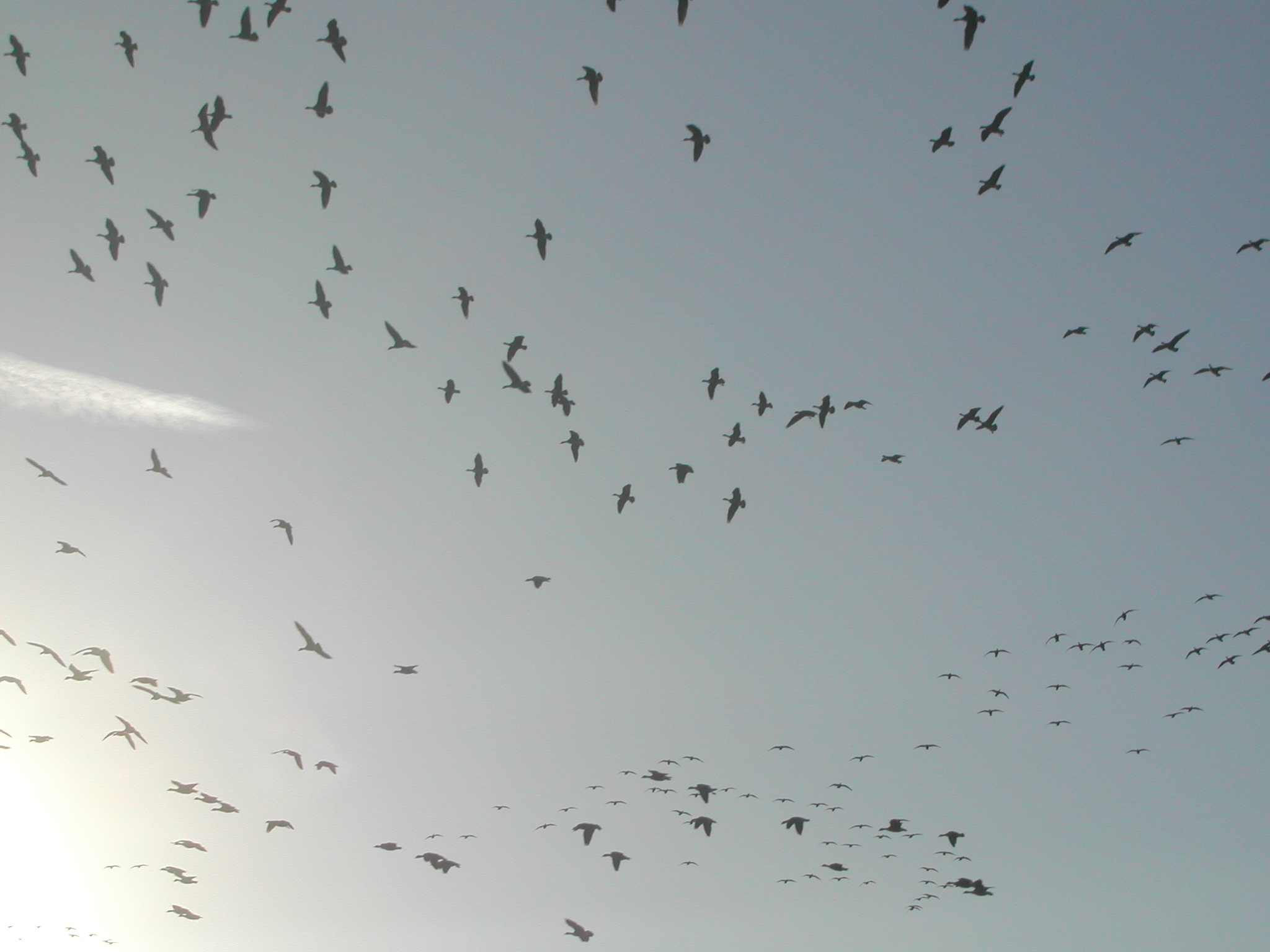
I love to see the geese flying.
One of the things I love about fall on Sauvie Island is the return of the geese. They are back in full force now. On Tuesday, a flock of geese landed in the field across the road from our place and stayed to eat and rest a bit. Even though they can make a lot of noise, especially when they fly away, they give me a sense of calm. I guess it is seeing the nature do its thing…whatever else is going on just doesn’t seem to matter as much. I am glad they didn’t land in our garden though, because I think they would have eaten everything up! Not that I want them to eat another farmer’s field, but in this case, the crop was out and it was just stubble left in the field. There was no crop to spoil, just geese to watch on a beautiful autumn day.
Autumn
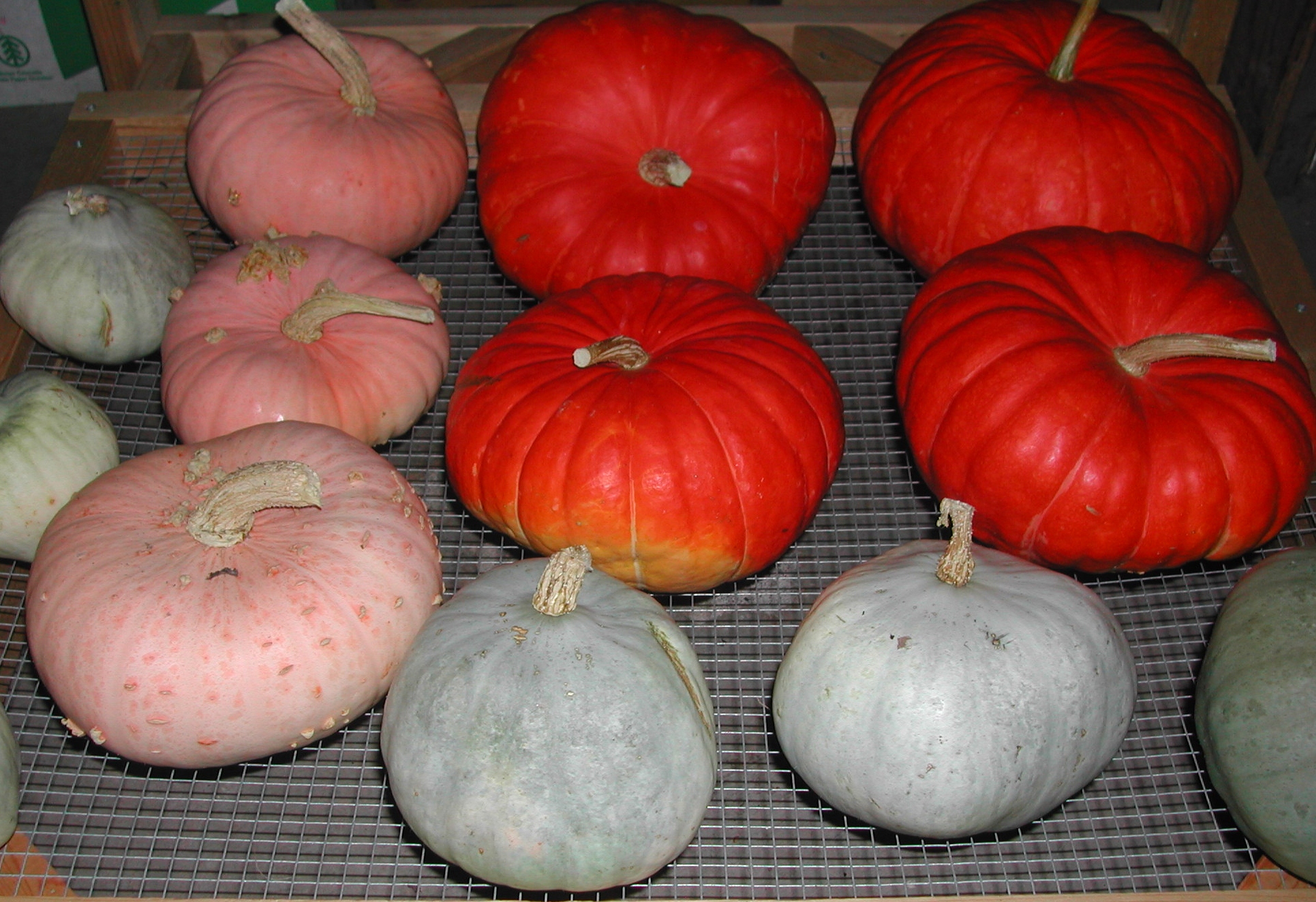
The Galeux D’Eysines, Sweet Meat hubbard and Rogue vif d’Etampes squash
It is officially autumn now. I like that word, autumn, though I usually use the word fall instead. Fall is an everyday kind of word. Autumn seems a bit stiff and formal, but I will use it today. Last Saturday was the first day of autumn. I think this could be a really amazing season this year. September has been fantastic, with almost no rain. I read that October is going to be drier than usual, too. I’ll take the dry weather as long as possible. A little rain would help water in the cover crop, but I’ll use a sprinkler if I have to. It is time to get the cover crop in. Several beds are cleared out now; I harvested the Galeux D’Eysines and Sweet Meat hubbard squash, along with the Rogue vif d’Etampes and miniature pumpkins. They didn’t do great this year, but there are a few. A couple of the potatoe beds were replanted, but a few others are now clear. There are some more beds that are ready to clear, too.

The Western Spotted Cucumber Beetle, on the Optima lettuce
It seems like the summer pests should be going away now, and, unfortunately, the slugs coming back. But, not all the summer pests are gone yet. There is one that I have noticed more this year in the lettuce and Swiss chard: The Western Spotted Cucumber Beetle. Yes, a cucumber beetle in my leafy greens. Most people only talk about it in reference to cucumber and squash plants. They say their plants have been covered in beetles. I have only seen one or two of them at a time and more in the leafy greens than squash. The Pacific Northwest Insect Management book says the adults eat the leaves of plants, but it is usually not a problem late in the season. They are doing a bit more damage than I want to see to some of my Swiss chard and lettuce. They are kind of funny bugs. Since there isn’t a huge infestation, when I see one, I just squish it. But, they have this trick, if you don’t catch them first try, they drop off the leaf, and usually, out of sight. Now that I know the trick, I am a bit better at getting them on the first try. I’ll keep after the ones I find, but hopefully they will go away for the winter soon.
Asian Pears

Asian pears: I am in love
I fell in love with Asian pears when I was in college. I may be dating myself, or maybe it was just the eating habits of my family growing up, but I never had an Asian pear before my early 20s. I don’t remember how I happened to eat that first one, but I discovered that I loved that sweet, juicy, crispness of the fruit.

I don’t know what this variety is, but I love the golden brown color
When Steven’s parents built this house and put in the garden, they planted two Asian pear trees. I don’t think I found out about the trees until we heard that his dad was composting the fruit because they were so productive and they couldn’t eat it all. I wasn’t even aware that Asian pears could be grown here, so I was ecstatic at the possibility of access to so much fruit. And not only that, but one of the trees, the most productive one, was a variety that I loved. I still don’t know what that variety is, but it is the best I have ever had.

There are a lot of pears on that tree!
This week, I started picking that favorite variety of Asian pears. I wasn’t really expecting them to be ready yet. I guess I was thinking this year would be like last year, when they were quite late. There are a couple ways I know they are ready: time of year, color, taste testing and they start to fall off the trees. This year, as they were falling, I thought they were falling because of pests, because the color still had some green to it. (I forgot that sometimes they don’t completely turn yellow before they are ready.) It is pretty interesting what some pests can do. For pests that pupate in the ground, they can get the fruit to fall before it would on its own, so they can get into the ground quickly and easily. So, many times when I pick fruit up off the ground, it is fruit that has (or had) pests in it. I got the message this week: there are a lot of fruit on the ground, I’d better do a taste test and start picking. I picked quite a bit on Wednesday and there are a lot more to go. The harvest looks good, but since I didn’t use any spray the last few years (not even organic sprays), there are more pests than in the past. I look them over very carefully before selling them, looking for any signs of pests. We keep those fruit for us. Still, I recommend cutting the fruit before you eat it, just to be sure.
Ahh, Asian pears! I am still in love and ecstatic that I can grow this amazing fruit.
Ten Days Left

There are still a lot of tomatoes, though not so many leaves.
I can’t believe how fast summer has gone by. I know, technically, it is not fall yet, but I still feel like summer is over after Labor Day, even though I don’t go back to school as a teacher any more and I don’t have any children in school. The weather is starting to change: nights are longer and, thus, cooler. I worry about rain and the tomatoes. The forecast for showers on Monday had me pruning and cleaning up the tomatoes on Sunday. I had seen some blight and I knew if it rained much my tomatoes could be dead, just like that. They look a little naked of foliage now, but I think they will make it through, since there wasn’t much rain after all. We still have about ten days left of summer. I am happy to report the forecast for the rest of September looks really, really good.

The Marketmore cucumbers are at their end
Besides my worrying about rain and tomatoes, other signs that fall is coming are summer squash and cucumbers coming to their ends. I know most farms have two or more plantings of summer squash and cucumbers, but I just don’t have enough room. I did manage to get a second planting of cucumbers in the hoop house for the fall. They are just about ready. Just in time, too, because the ones I planted in spring are pretty much done. The Poona Kheeras and Shintokiwas basically stopped producing some time ago. The Marketmores are about done now, too. I think the Lemon cucumbers will continue a bit longer, though. So, it is really good the Corintos I planted in the hoop house are on board now. I am not tired of Greek salads yet, so I am glad there are still cucumbers and tomatoes. Even better, with the sweet peppers ripening up, those Greek salads will be just a little bit brighter!

These beautiful Corinto cucumbers are ready to take the Marketmore’s place
Grapes

The Red Flame grapes are revealed
The last couple weekends, Steven and I have been working on pruning the grapes, so we can find the clusters of fruit. I was determined to be more involved with the grapes this year, after last year’s slow ripening, thinking that if I changed from my usual hands off approach, maybe I could help them ripen up faster and sweeter. I did my usual winter pruning, which went well. I even did a very small amount of pruning in spring, taking out a few canes. I didn’t take out as much as I needed to, though, and I didn’t keep it up. The grapes grew and grew and I worked on other parts of the garden. As the time to harvest grapes got closer, I knew I had to get in there. With Steven’s help, the grape reveal has begun.

Red Flame grapes
The grapes are looking pretty good, despite my lack of care. They really do awfully well on their own, which is why I wonder how much better they could do if I helped out. Our first varieties to ripen are seedless grapes. Himrod and Red Flame come in first, around the same time and it should be soon. This has not been the best year for the Himrod, so there won’t be many of these, but it is not known to be a good producer. Our Red Flame grapes, though, are looking better than they have since I started June’s Corner Garden. There aren’t a lot, but they have not cracked or gotten any diseases. This may be the first year I get to sell them. Our favorite variety, Canadice, look really good right now. They won’t be ready for a while though, late September or early October, I would guess. I am always worried they won’t ripen up very sweet in these cooler summers

Canadice grapes
or the birds will get them first. I did see a flock of birds in the vines a week or so ago. I ran out to scare them away and haven’t seen any back since. They may have just realized the grapes aren’t ripe yet. I may be covering those vines with netting to try to keep them out. The rest of our grapes are seeded varieties, which ripen in October and November (Buffalo, Steuben, Concord and Niagra). I need to do more pruning to see how they look this year.
We are more than halfway through the pruning and will try to finish it up soon. The weather forecast looks very sunny for the rest of September, with even a few more days in the 80’s to come. That should be good for the grapes.
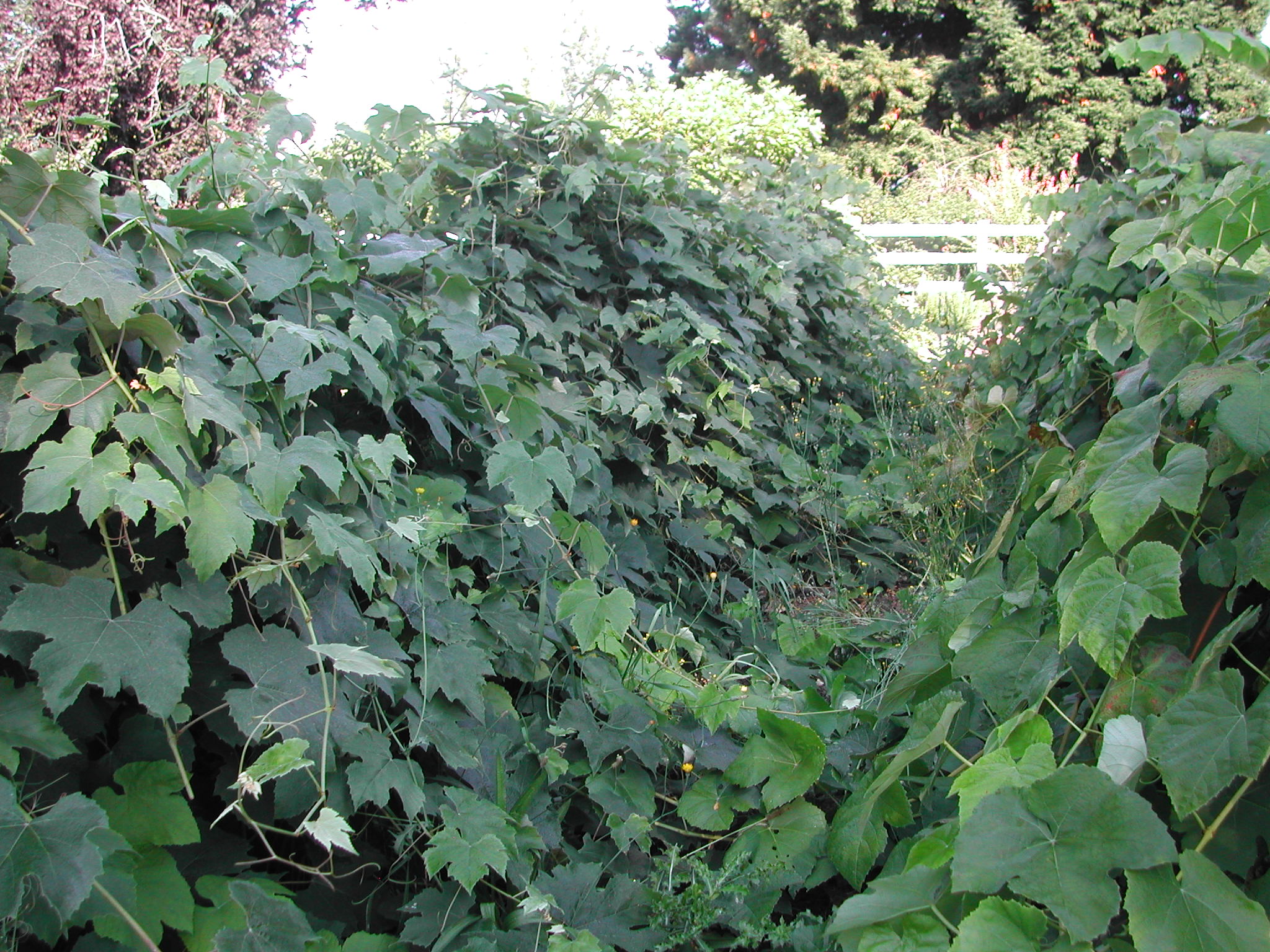
These Niagra grapes need to be pruned next.

There are some Niagra grapes in there.
Carrots

The third planting of carrots, covered by floating row cover
This year, I have done better than previous years getting carrots planted. I scheduled eleven plantings and actually got eight in the ground. They didn’t all go on schedule, but they were spread out over the course of the season and the last one went in on time. The first two plantings did great. The third one was late and I will be thinning down that planting over the next week or so. The fourth planting is partially ready and I will be pulling from those carrots over the next few weeks, too. The fifth and sixth plantings did not have good germination, but there should be a few carrots from those beds. As for the seventh and eighth, they got planted together at the last planned time. Germination looked good, but it is time for a good weeding, so those carrots will grow!

The seventh and eighth planting of carrots are ready to be weeded
Carrots ought to be easy to grow, but they are a bit of a pain for me. It starts with seeding. Carrot seed is more expensive than you would think, at least I think so. The last two years, I have been seeding more carefully, to use less seed and to get more even spacing. The process is slow, but it has worked better and I have used less seeds with better results. It has helped a lot when it is time to thin the carrots. There are not as many to thin, which makes that task easier. Another difficulty with carrots is weeding. Carrots don’t compete well with weeds, so unless the weeds are kept clear, the carrots don’t grow much. Weeding carrots is a lot harder and slower than weeding something like kale. It is pretty easy to pull young carrots out with the weeds. Of course, I make it harder by getting as many carrots into each bed as possible, planting very densely, six rows per bed, verses a more common three rows for thing like lettuce or beans. This year, it has been great to have Jonas’ help with the carrots. He has worked on all but the first seeding and he has worked on weeding all but the last planting, which will come soon. A little help sharing the load goes a long way.

Ah, the perfect place for a Carrot Rust Fly to lay it’s eggs
The one other trick that has make a tremendous difference this year for the quality of the carrots is floating row covers. One major pest for carrots is the Carrot Rust Fly. It lays its eggs at the crown of the carrot. When the eggs hatch, the larvae eat their way into the root. Some of you may have seen the evidence of the larvae in previous years, if you ever bought “B” quality carrots. You can still eat the carrots, you just have to cut out the bad parts. Last year, in most of the plantings, I lost about 50-60% of the carrots to Carrot Rust Fly. The best organic control for Carrot Rust Fly is floating row cover, a very light piece of fabric made from spunbonded polypropylene, that allows light, rain and air through, but creates a barrier to keep the pests out. The flies can’t get to the carrots to lay their eggs. It works amazingly well. I didn’t use it on my first planting this year, and as I harvested those carrots, more and more of them had Carrot Rust Fly damage. The rest of the plantings have been covered, and there has been very little damage in the ones I have harvested so far.

The voles ate these carrots
The covers do cause a few difficulties. I don’t seem to have as good of germination if I cover the rows right after planting. So far, it seems that waiting for germination, then covering is working pretty well, too, even though those eggs could be deposited before I get the row cover on. Slugs and voles love the extra cover the row covers give, so even though you save the carrots from Carrot Rust Fly, you may lose them to slugs or voles. It is a little harder to keep up with weeding with row covers, since you don’t see the weeds every time you walk by, unless you look under the cover. And of course, you want to keep the uncovered time to a minimum when you do weed, so those flies don’t have a chance to lay their eggs. Despite these challenges, with the results I have had so far, I think I’ll be sticking with the floating row cover.
I mentioned I’ll be pulling from the fourth planting of carrots in the next few weeks. We planted three varieties in that planting: White Satin, Cosmic Purple and Yellowstone. I chose different colored carrots because I thought it would be fun. The carrots seems to have more variation in size and sometimes are bit more oddly shaped. I would love to have you feedback on how you think they taste.

White Satin, Cosmic Purple and Yellowstone carrots, from the fourth planting
New Tomatoes

New tomatoes: Moskovich, Italian Heirloom Sweetie Cherry, Black Prince, Black Cherry and Indigo Rose
I planted some new varieties of tomatoes this year and am excited to see how they will turn out.
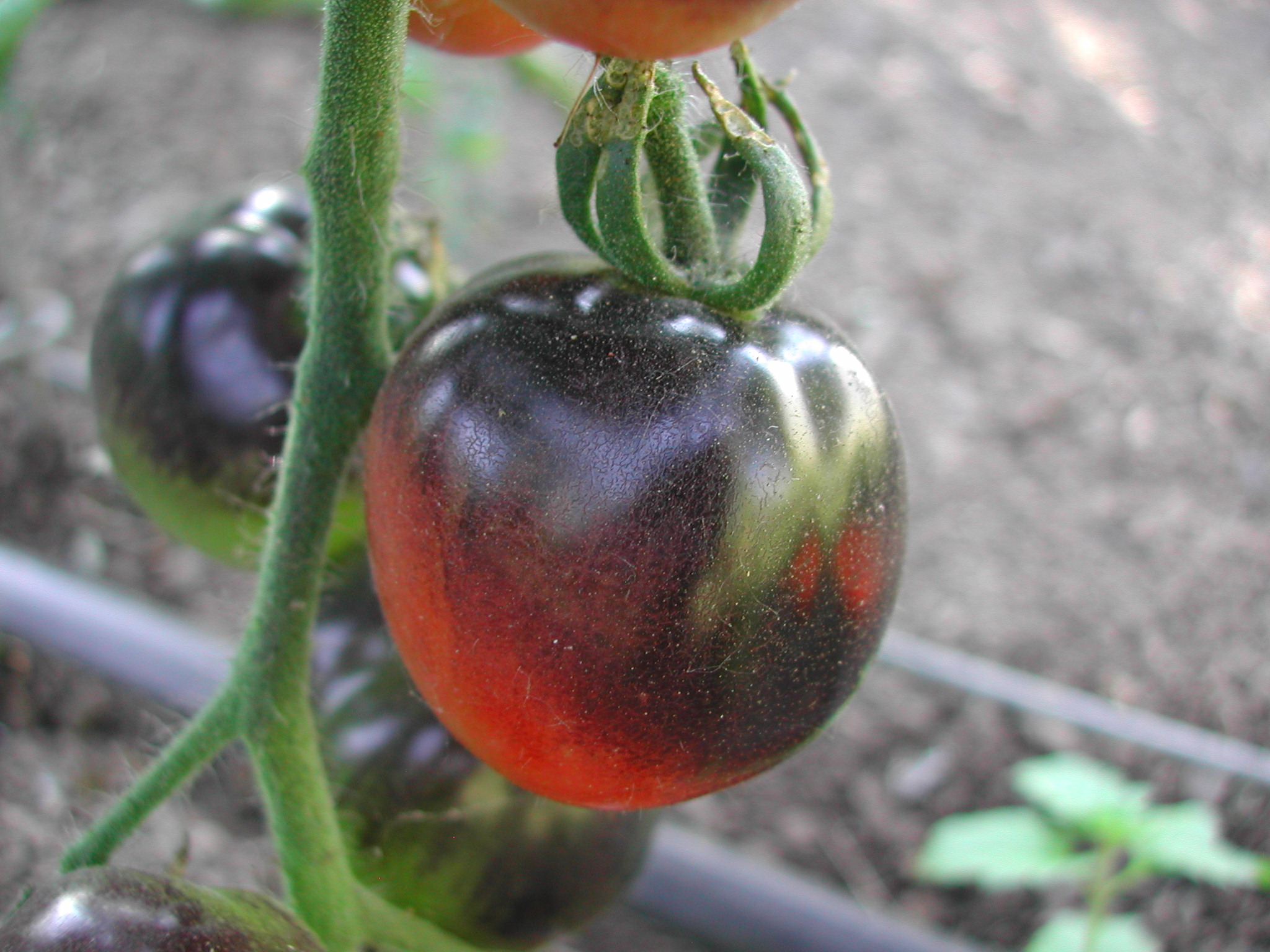
Indigo Rose
The first one is a totally new tomato, Indigo Rose, that was just made available this year. It is a purple tomato, bred at Oregon State University for a high antioxidant level. A purple tomato seemed like it would be fun, so I decided to give it a try. It is a later variety, but I have picked a few already and put them in orders. I haven’t tasted one myself yet…I’ll keep the next one to try out.
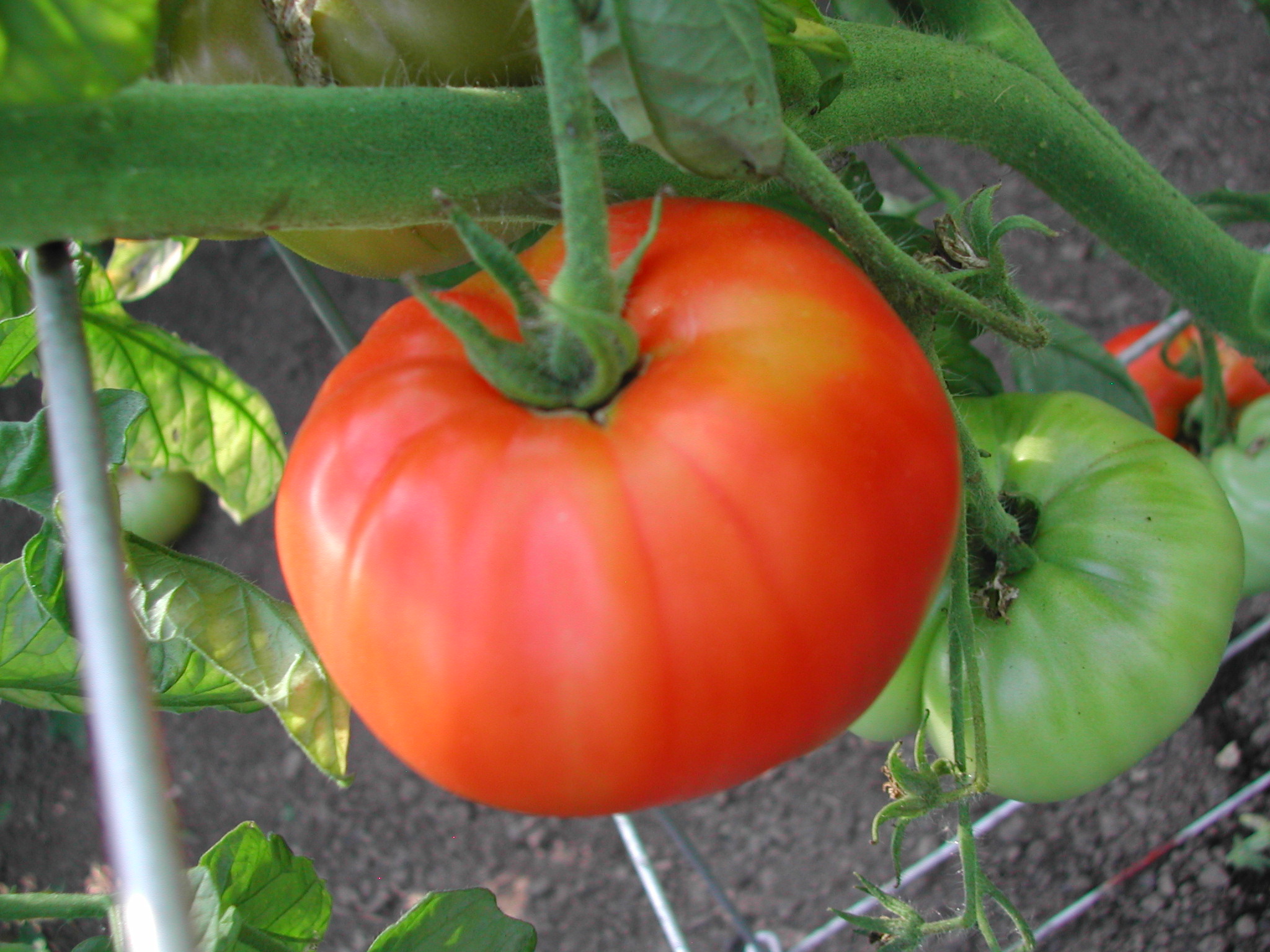
Moskovich
Moskovich is another new tomato for me this year. This one is only new to me, however, as it is a Russian heirloom. I chose this one for its early ripening and tolerance to cooler conditions. Given the weather we have been having this year with more cool temperatures than warm ones, that is a good thing. Unfortunately, it is suffering from Blossom End Rot trouble, so there have not been very many good tomatoes yet.

Black Prince
Another heirloom tomato from Russia that I am trying is Black Prince. It is a small, dark tomato, that also does well in cooler temperatures, as it originated in Irkutsk, Siberia. Uprising Seeds, the company I purchased the seed from, said “the flavor knocked our socks off.” I am hoping it will do that for me, too. I have only had a few of these so far, too, and they also have some Blossom End Rot, though not as much as the Moskovich.

Italian Heirloom
The last new big tomato I am trying this year is Italian Heirloom. These are large, meaty tomatoes, that are good for slicing and for sauce. Again, I haven’t done a conscious taste test, but Uprising Seeds says it has “Incredible flavor with just the right balance of acid and sweet.”

Black Cherry
I also planted two new varieties of cherry tomatoes: Black Cherry and Sweetie Cherry. As the name implies, Black Cherry is dark in color, a dark brick red. It is fairly large for a cherry, with green on the shoulders, meaning good flavor (remember that NPR story). Sweetie Cherry is what you expect in a cherry tomato, small, red and sweet.

Sweetie Cherry
The rest of the tomatoes varieties I have grown before: Stupice, Jaune Flamme, Green Zebra, Striped German, Persimmon, Lena, Rose de Berne and Galina Cherry. The Stupice are doing great, but again, several of the others are suffering from Blossom End Rot, the Jaune Flamme and Rose de Berne, especially. Blossom End rot is caused by a calcium deficiency. Either inconsistant watering or a low pH can be the culprit that makes the calcium unavailable to the plant. In this case, I think it is the pH. I didn’t test the soil this year, but when I first planted this field last year, it had a low pH, because it had blue berries in it previously, which like a low pH. I added lime, both last year and this, but evidently the pH hasn’t gone up enough.
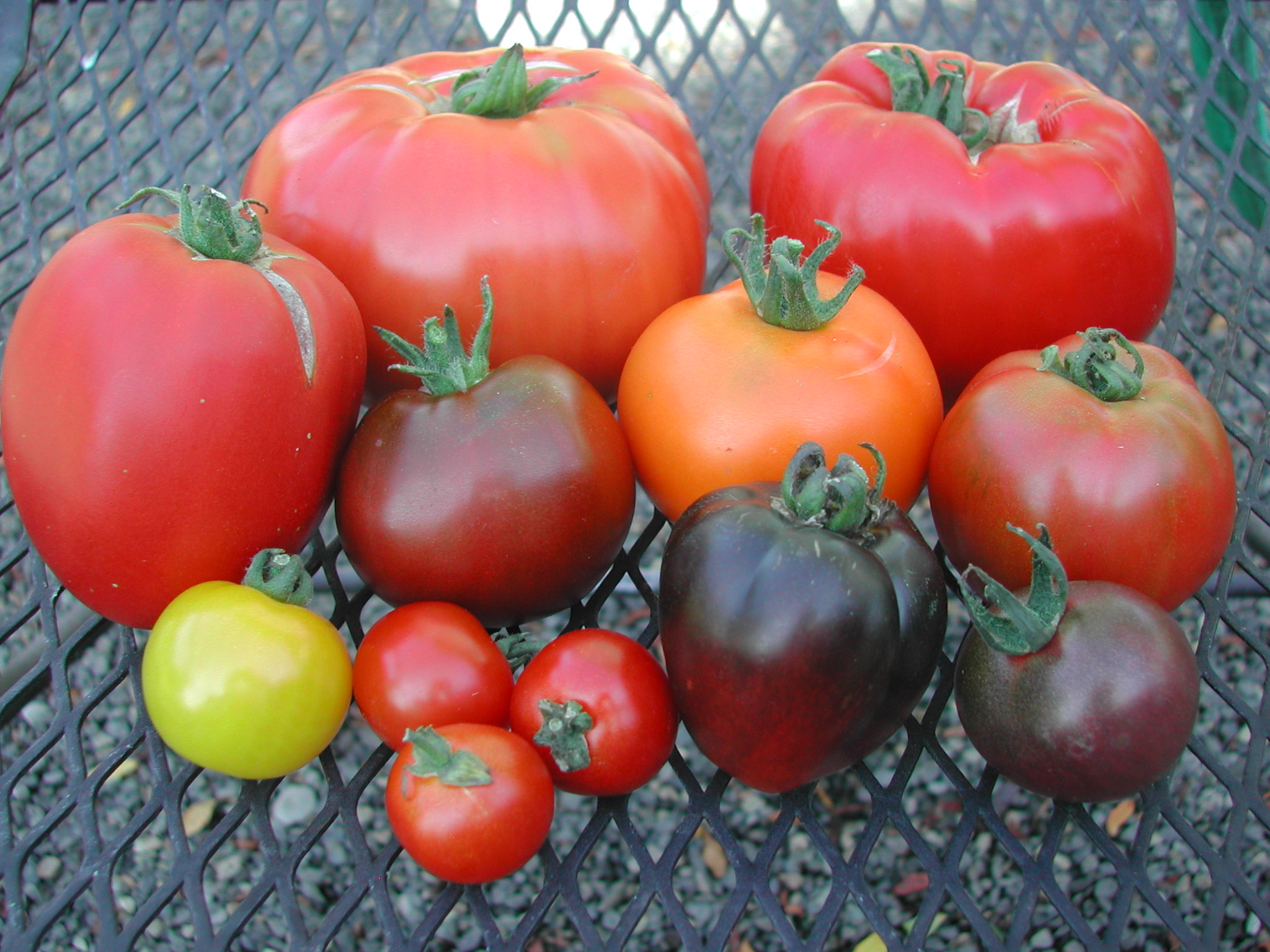
New varieties and old favorites
There are still plenty of tomatoes, though, and I will enjoy every one I can. I hope you will too. And, as always, I would love to hear what you think of these tomatoes.
Routine/Inspection

Plum jam
Steven has been home on vacation from his work this week. I love having him home with me, working together on the garden, but it does change the daily routine a bit. I also got a harvest bin full of plums and a bunch of blueberries. That changed the routine a bit, too. The plums came from friends who had a bumper crop this year and the blueberries came from Sauvie Island Blueberries, a thank you gift for putting their sign in our yard. I spent Tuesday freezing blueberries and canning plum jam.

My new scale, with inspection sticker
On Wednesday, the Oregon State Department of Agriculture Measurement Standards Division stopped by to do the yearly inspection of my scale. This was my first one, since I just got the scale this spring. I asked a bunch of questions and the fellow was very nice. I have heard other farmers complain about this State regulation of scales. But, honestly, I think it is a good thing. It gives me confidence in the accuracy of my scale and, in the broader spectrum, it is a protection for consumers. They checked the scale out with different weights, on different parts of the weighing platform, and put a seal on the scale where adjustments would be made. So, just in case you were concerned, that pound of beans really was a pound.

Now you can read that sticker
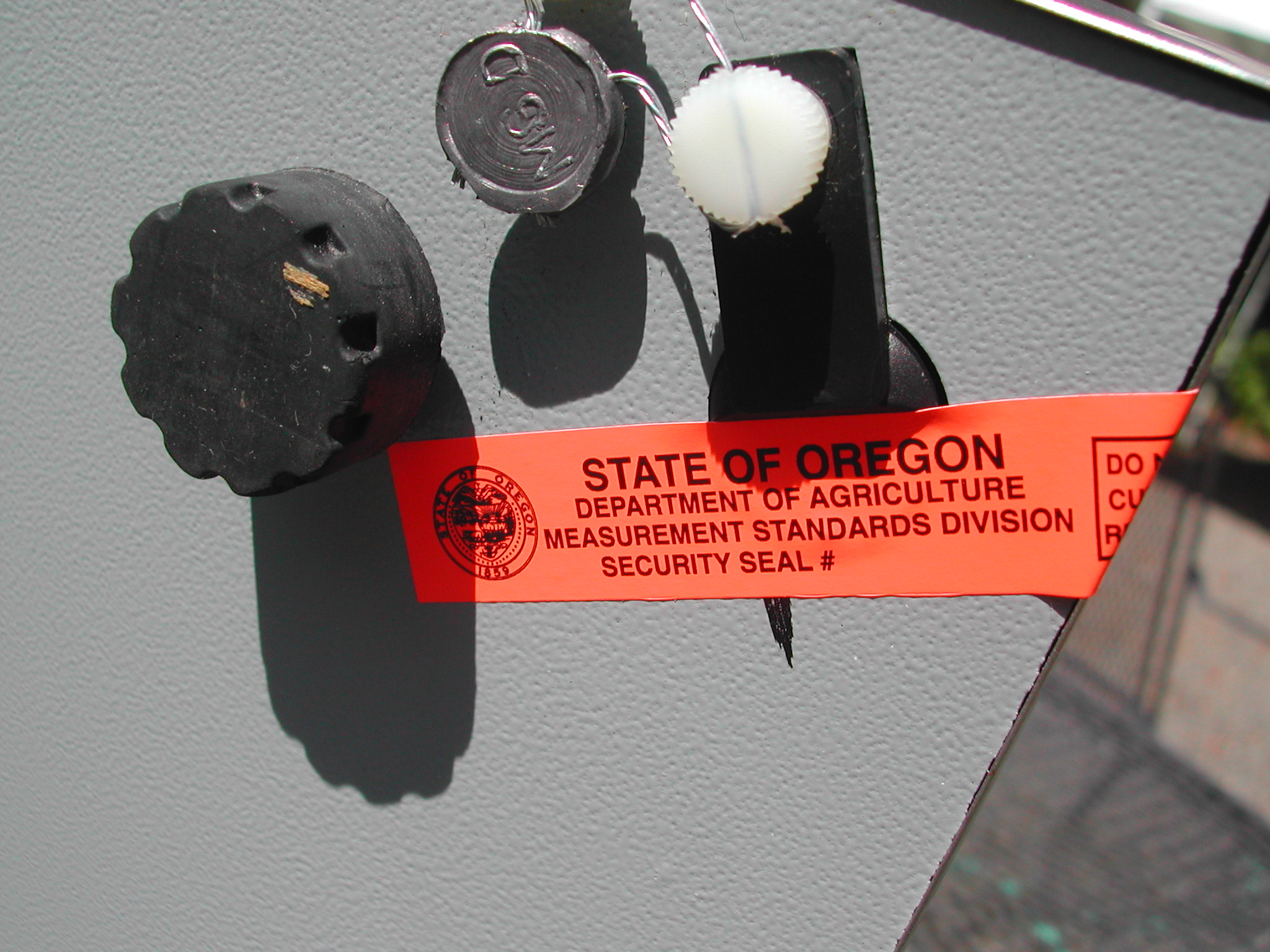
Approved and sealed
Lettuce and Beans
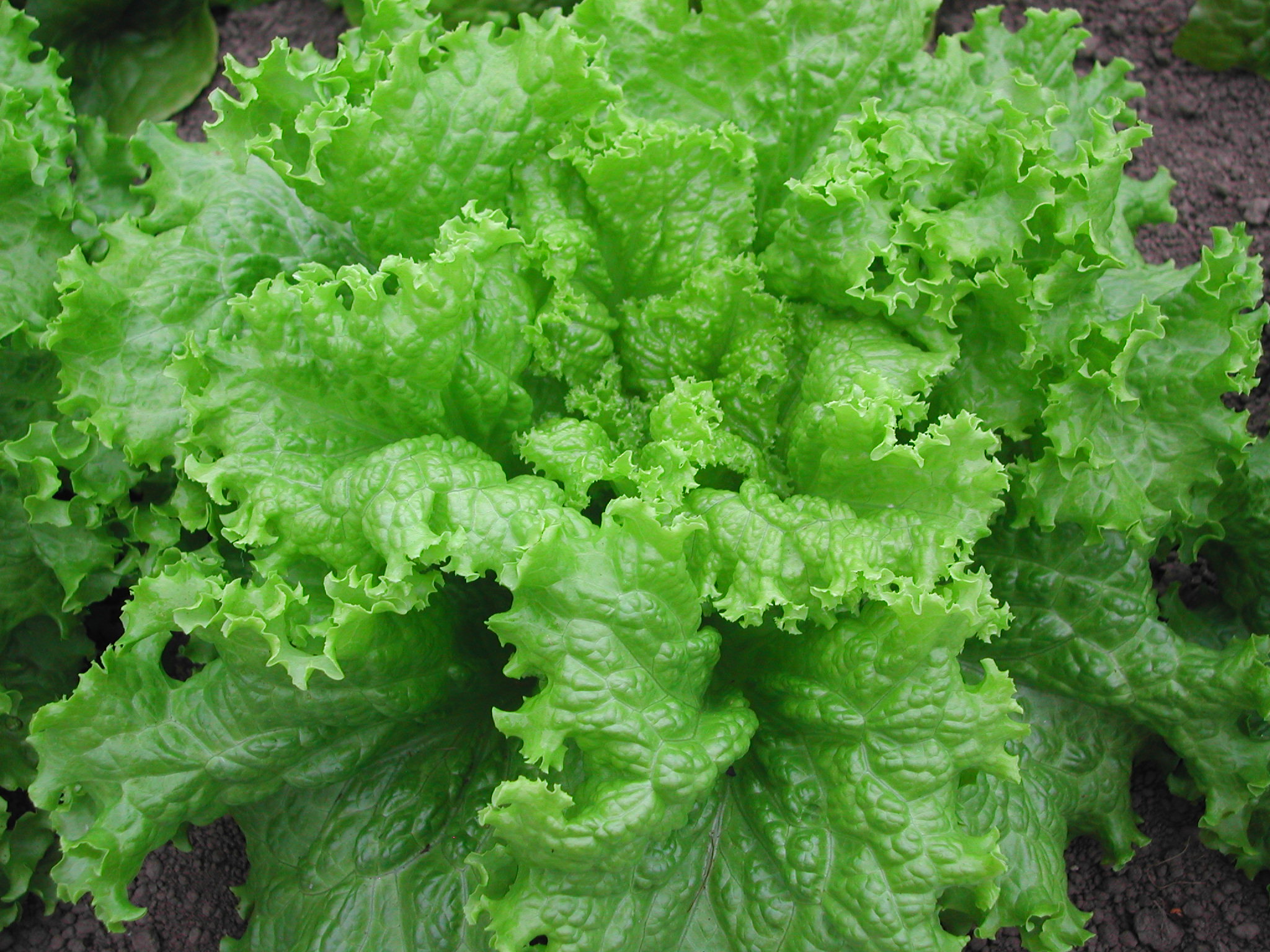
Black Seeded Simpson, coming next week
Lettuce has taken a vacation the last week and a half. It should be back on Monday, Thursday at the latest. There are a few reasons, one is a slip in seeding. I missed a lettuce seeding back in late May. I seed lettuce every two weeks, from late February to mid-August, and sometimes, it is just hard to stay on top of it. Another reason is the last planting got buried in weeds. The heads did not grow as well and the quality was just not up to par. The girls don’t mind how the lettuce looks though, so they are getting four or five heads from that planting to nibble on each day.
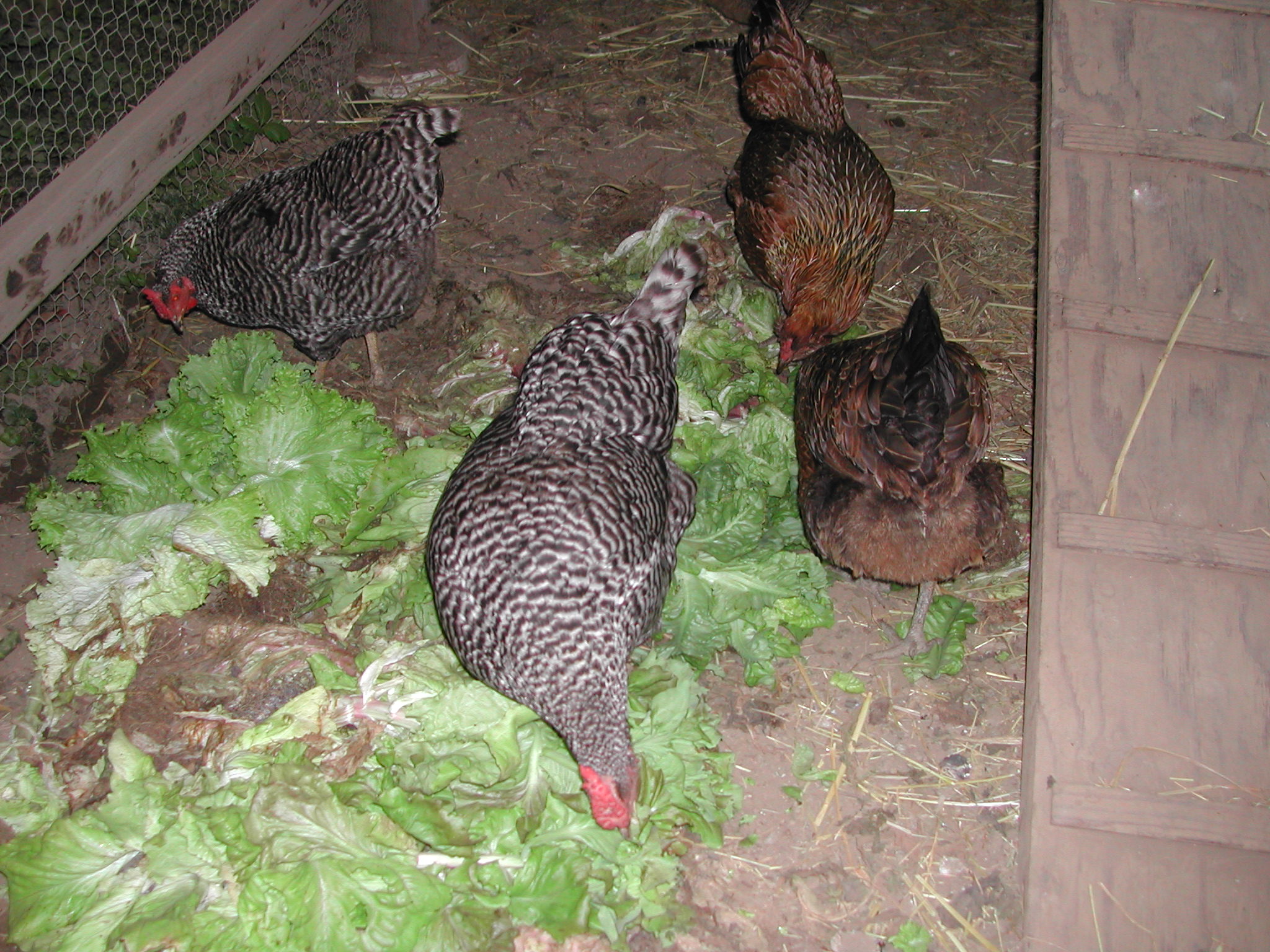
The girls are enjoying the lettuce, even though we aren’t
Other things can cause gaps in the lettuce, too, like poor germination. That happened in a planting from three weeks ago, which means there will be less lettuce in October. Conditions in the field can make or break a planting. In the spring, there are slugs, later there are butterfly and moth larvae or aphids that can damage the heads. Sometimes it is just the weather. If it is too hot, the heads may bolt prematurely. And of course, there are deer. Now I am covering all the lettuce beds at night. Once in a while I can see where the deer have walked across the covered beds. So far, they haven’t stepped on and crushed any lettuce.
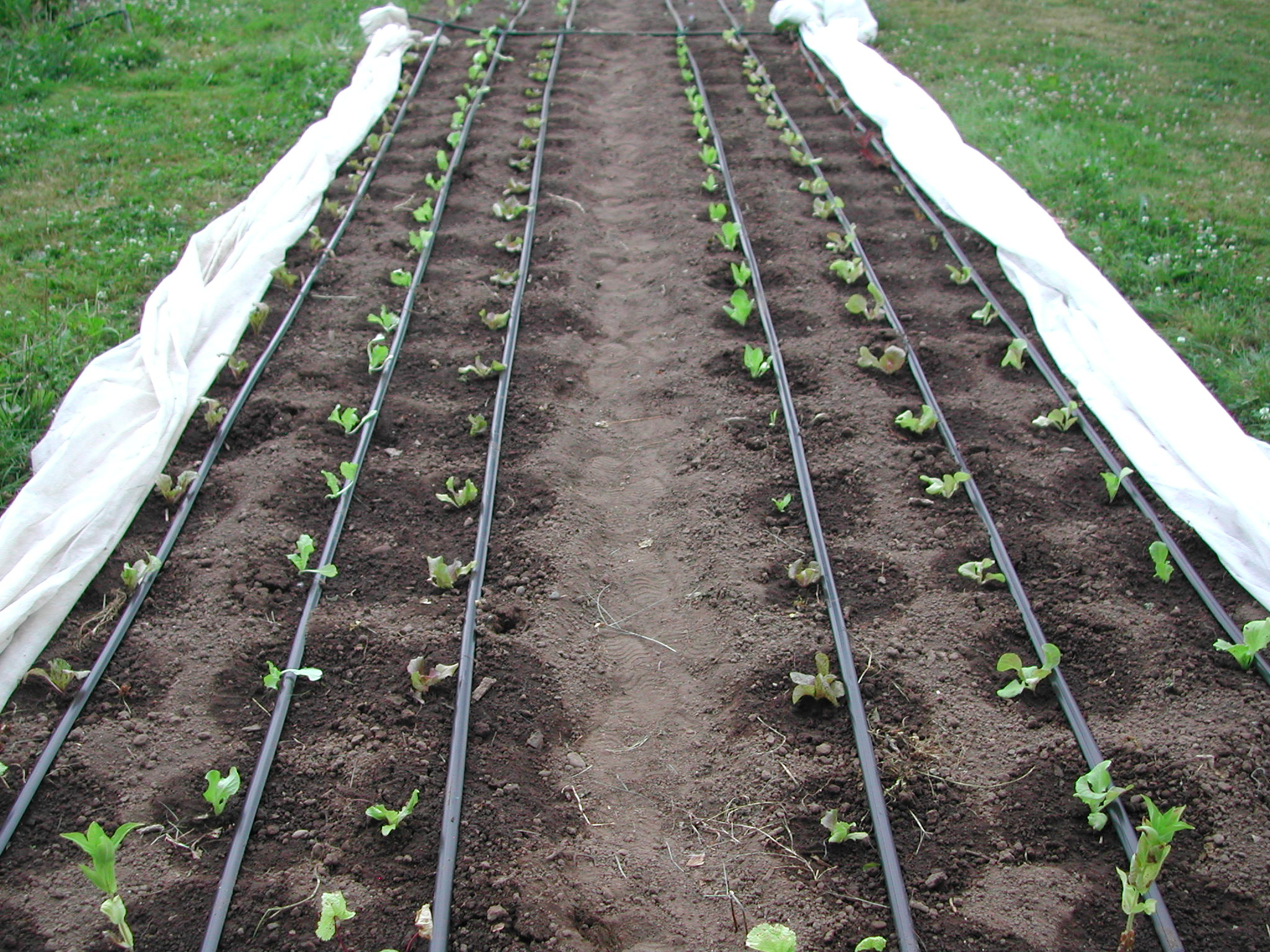
This lettuce was planted out on Sunday.
Right now, there are four plantings in the ground, two more started in trays and one last one to be seeded next week. I plan for lettuce to be available into the last half of October. After that, I should have some chicories to take their place.
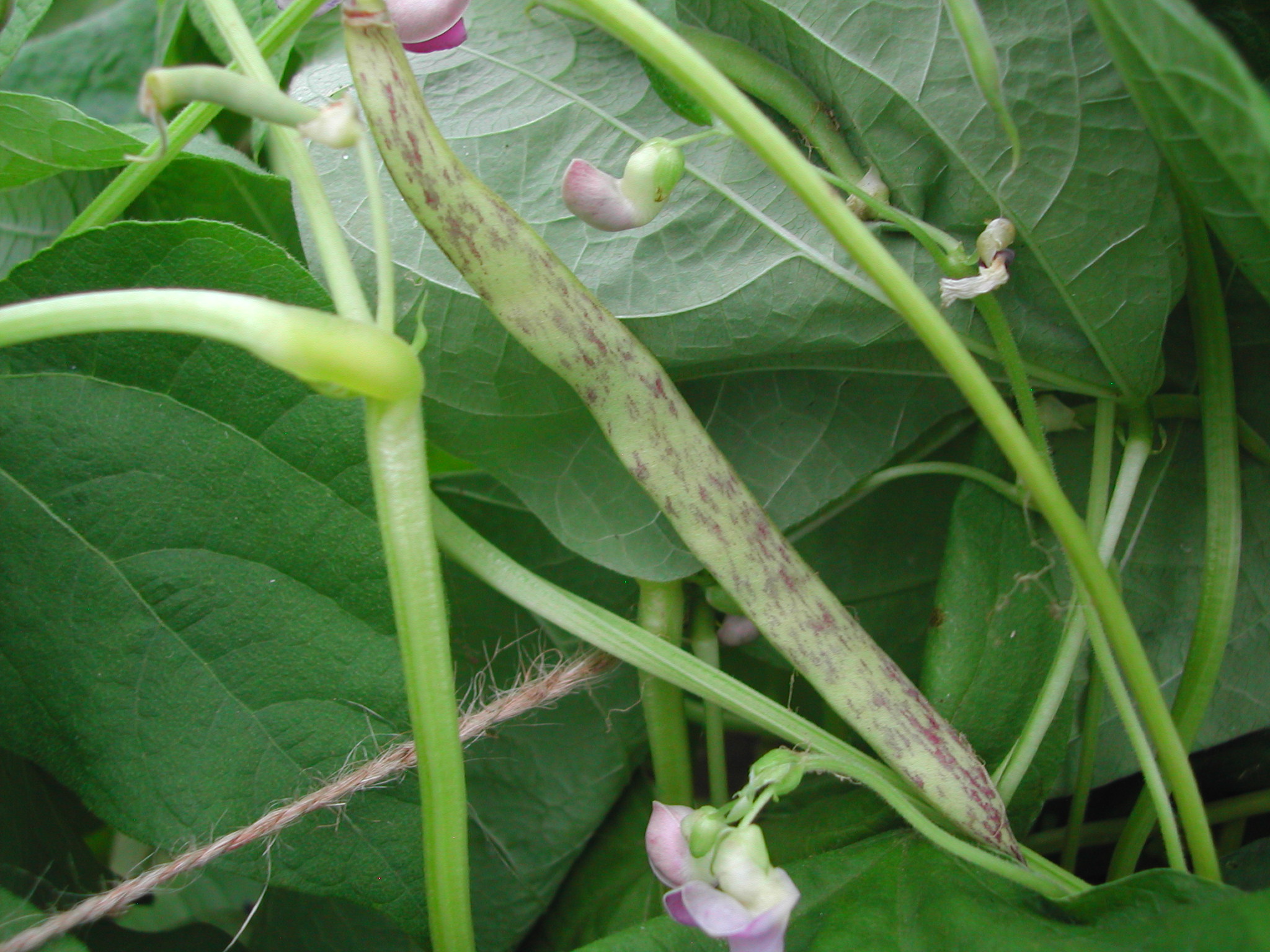
This is what Dragon Langerie beans look like when they are small
Now a quick note about beans: The first planting of Provider beans has done well, though I am realizing, I may need to plant more next year! I had a little trouble with the second planting, however. I seeded Provider (half as many as the first planting), Dragon Langerie (the other half) and Tavera beans (a full bed). This planting had spotty germination all around, but especially in the Tavera beans. I reseeded it; keeping what was up and planting new seeds in between. Because I did that, the reseeding took the place of the next planned planting of Tavera beans. The final seeding of Tavera beans also had very poor germination and I reseeded that last week, a bit late. Luckily, with the warm temperatures over the weekend, it did much better. The weather into September will determine how the last planting does. Or maybe the deer will.
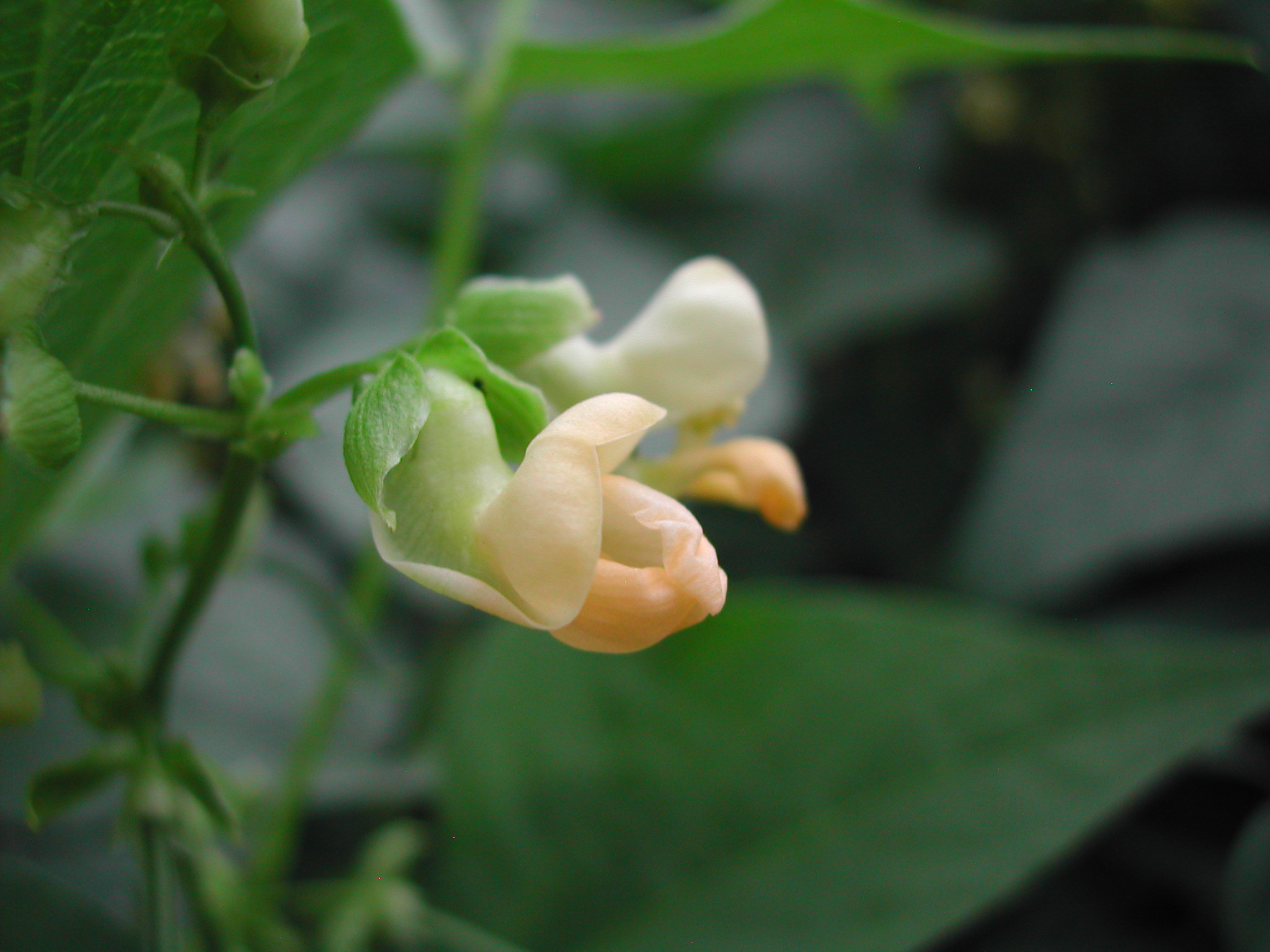
A Tavera bean blossom
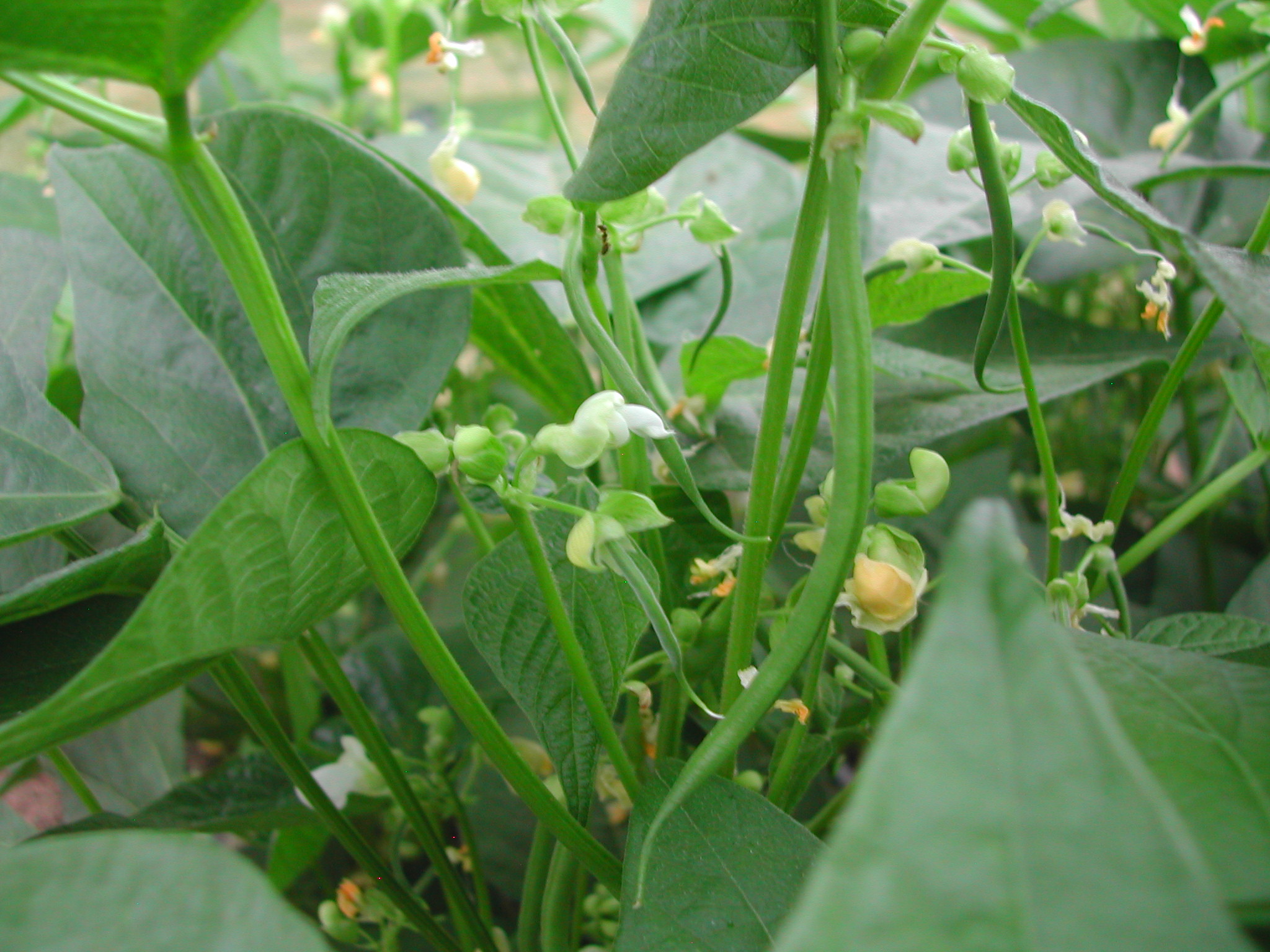
Tavera beans are coming!
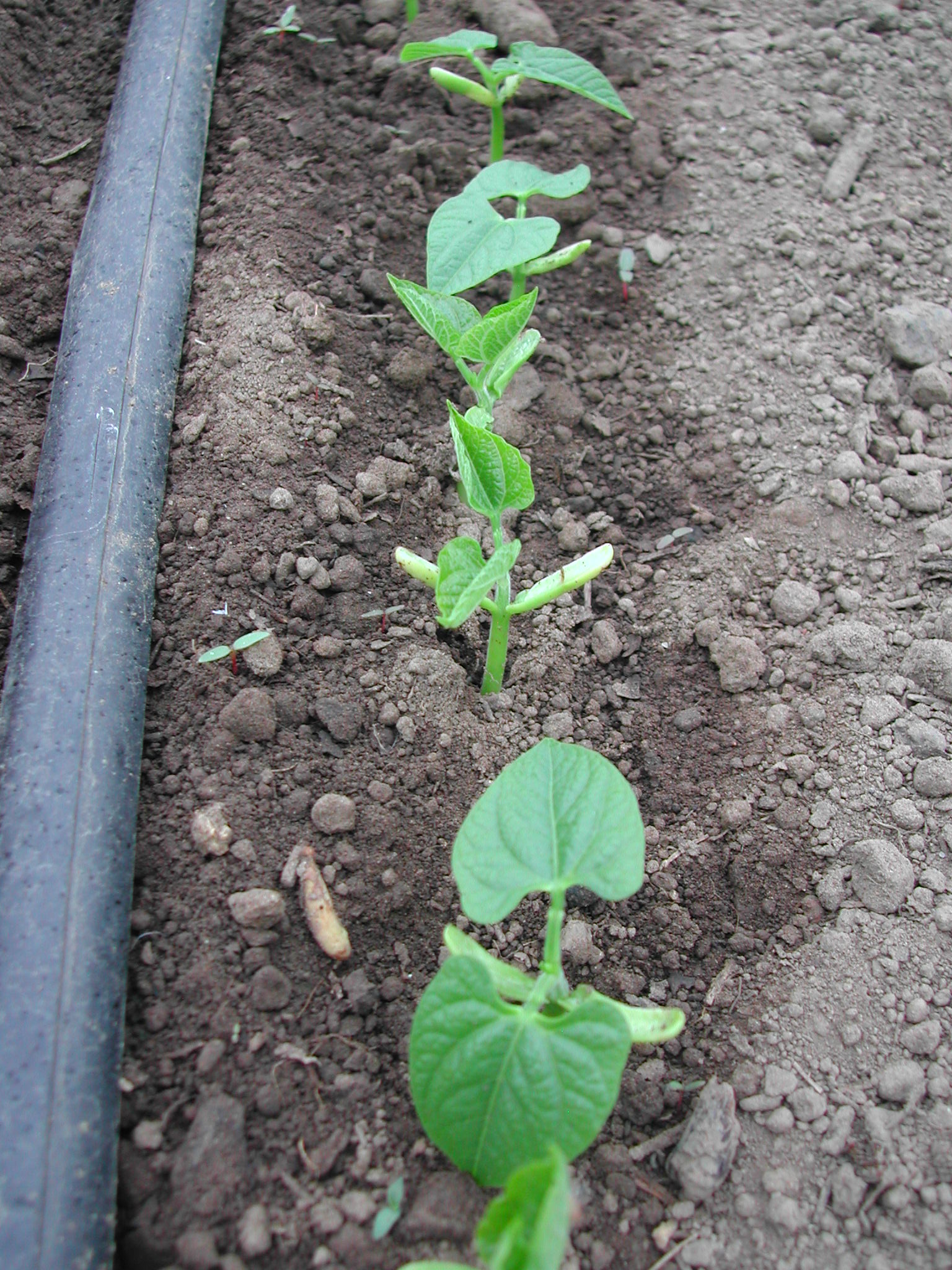
The last planting of Tavera beans are up.

 Bethel Springs Farm