Summer Recap: August and September
It is more than a month into fall and my mind, while thinking about fall, is also looking forward to winter. Preparing for winter is a big part of our fall work. Still, I am going to look back and give the rest of the summer recap.

August
For me, August was filled with routine tasks: lots of harvesting, packing and delivering, planting fall crops and at least thinking about weeding. I got very far behind on that last task. My niece in Corvallis came up a few times with a few of her friends to help us out. We did get one big harvest in in August: onions. It always feels good to get a big harvest in. Steven, on the other hand, had a little more fun. I let him out of the fields long enough to get started on the mobile chicken coop. We are planning to start a flock or two of laying hens again. We love the eggs, but we also love the fertilizer and pest control they give. Our plan is to move them through fields and orchard after the crops are done to do a little clean up. There is plenty of open pasture space for them, as well, when the fields are in production. Unfortunately, Steven only had a weekend or two to work on the coop before he had to get back out in the fields.

September
Again, Steven had all the fun in September and it was more of the same for me. Steven took two weeks off work with one big project in mind: to disassemble two 30′ x 100′ hoop houses we bought from another farm and cart them back to our place. The first day he went out, a piece of metal fell on his head and he ended up with a few stitches. He had two of my niece’s friends with him that day to help. Reportedly, there was so much blood, one took off his t-shirt to put on Steven’s head to stop the bleeding. I think he will always be one of our favorites among her friends. Despite that beginning, the project ended well. Since I had to hold down the fort and couldn’t go help myself, we were thankful for the friends who could help out. It made the job go much more quickly and pleasantly. There wasn’t time to do any reassembly here, because Steven started right in on sowing fall cover crops. We got information from OSU and other farmers that the best cover crop to use when you have symphylan is spring oats. For now, that is what we will use for our winter cover. The fields Steven sowed in September now have a nice bit a growth going.


Summer Recap: July
There are just a few weeks left of summer. Before it is over, I want to share with you a few of the highlights of this hot, dry year. I’ll start with July.

July started off with a garlic harvest over the Independence Day holiday weekend. I didn’t get the garlic planted under the best of conditions. In fact, it was done in some pretty poor conditions. Half was planted in October, when garlic should be planted here (November is fine for planting, too), but the soil was too wet when we prepared the bed, and it quickly compacted. The other half of the garlic was planted in late February. The soil was just a little bit better then, but it was very late. I wasn’t sure if it would have enough time to grow to nice sized heads.

To my surprise, the garlic did quite well, even the ones planted late. It was ready to harvest early, thanks to the warm weather. But, by that time, the soil was bone dry and rock hard from the early compaction. There was no way we would be able to dig it out with a garden fork. Thanks to the Instagram accounts of a few local farms, I got the idea of using our tractor and the ripper implement to lift the garlic out of the cement-like soil. Very carefully, Steven drove the tractor through the beds, with the ripper next to the rows of garlic, and it did the trick to loosen the soil and lift the garlic out. We still had to do some digging, but it made it possible. The harvest was quite good, given the planting dates and soil conditions. We put the garlic in the shop to cure, some hanging in bunches, some out on a drying rack. And now, it has dried down and is ready to enjoy.

July ended with my annual inspection for organic certification. My Oregon Tilth Certified Organic inspector came out for nearly half a day and spent time with me, going over the details of my organic system plan, discussing a few minor changes and looking at my records. The records are the big thing…did I really buy and use organic seed and fertilizers? (Save and show the receipts, invoices, labels and packages.) What about my harvest and sales records? (Show my record keeping system and make sure it could be audited.) After that, we took a tour of the farm: storage areas, fields, hoop houses; just making sure it all fits together. It was a good day. I was happy to show the inspector what I was doing and happy that you can be sure of what I am doing…that someone is checking up on me.

The way the certification works, once you are certified, you stay certified until either you surrender your certification or it is suspended or revoked by the certifying agency. I got the e-mail today, that the inspector’s report had been reviewed and there were no issues or concerns. Everything was in compliance. My organic certification continues. But, that’s not all, something new was added: vegetable starts. If would like to sell starts, they will be certified organic. Here is a link to my new certificate: OTCO_Certificate
Symphylan
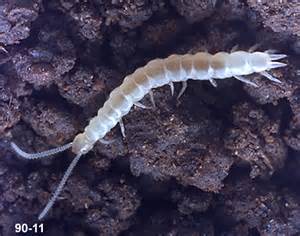
Symphylan. Before this spring, I wouldn’t have associated that word with devastation. I might have even thought it something beautiful, like a symphony. No more. About a month ago, we discovered that we have symphylan living in several of our fields. It was an accidental discovery. The swiss chard was doing poorly, not growing at all. I wasn’t sure why. This was the field we had trouble with last year, but then I thought maybe it was because the pH was too high. This year, I knew the pH was right, so maybe we tilled the field too early and compacted the soil. I decided to transplant the chard to another field. I dug up the first plant and saw them. Even though I didn’t know much about symphylan, I knew it was what I saw: a tiny, white, centipede-like creature. I had heard a bit about them from other farmers, but never realized that this was the havoc that tiny creature could wreak.
These are the highlights of what I have learned about symphylan so far:
- They are arthropods, members of the class Symphyla (related to centipedes and millipedes)
- They eat plant roots and other organic material in the soil (eating the roots makes plants less able to take up water and nutrients, stunting their growth).
- They are most common in the western parts of Washington, Oregon and California.
- They do not move much horizontally, but do move up to three or more feet vertically through the soil.
- Organic farming practices (soil with good tilth, high organic matter, and low compaction) encourage symphylan population growth.
- They occur in “hotspots,” from a few square feet up to several acres in size.
- They are difficult to manage, because they migrate through the soil.
- The three main strategies to decrease populations are: tillage, pesticides and crop rotation. Pesticides are out for organic farming, which leaves tillage and crop rotation.
- Potato rotations have been able to reduce the populations enough that more susceptible crops can be grown for a year or two following potatoes.
OSU has been our main source of information, but we will continue our search. We are beginning to develop our management plan, but will get to the details after we exhaust all our information resources. We are considering what other options might be available to us, besides growing vegetables, in the infested soil.
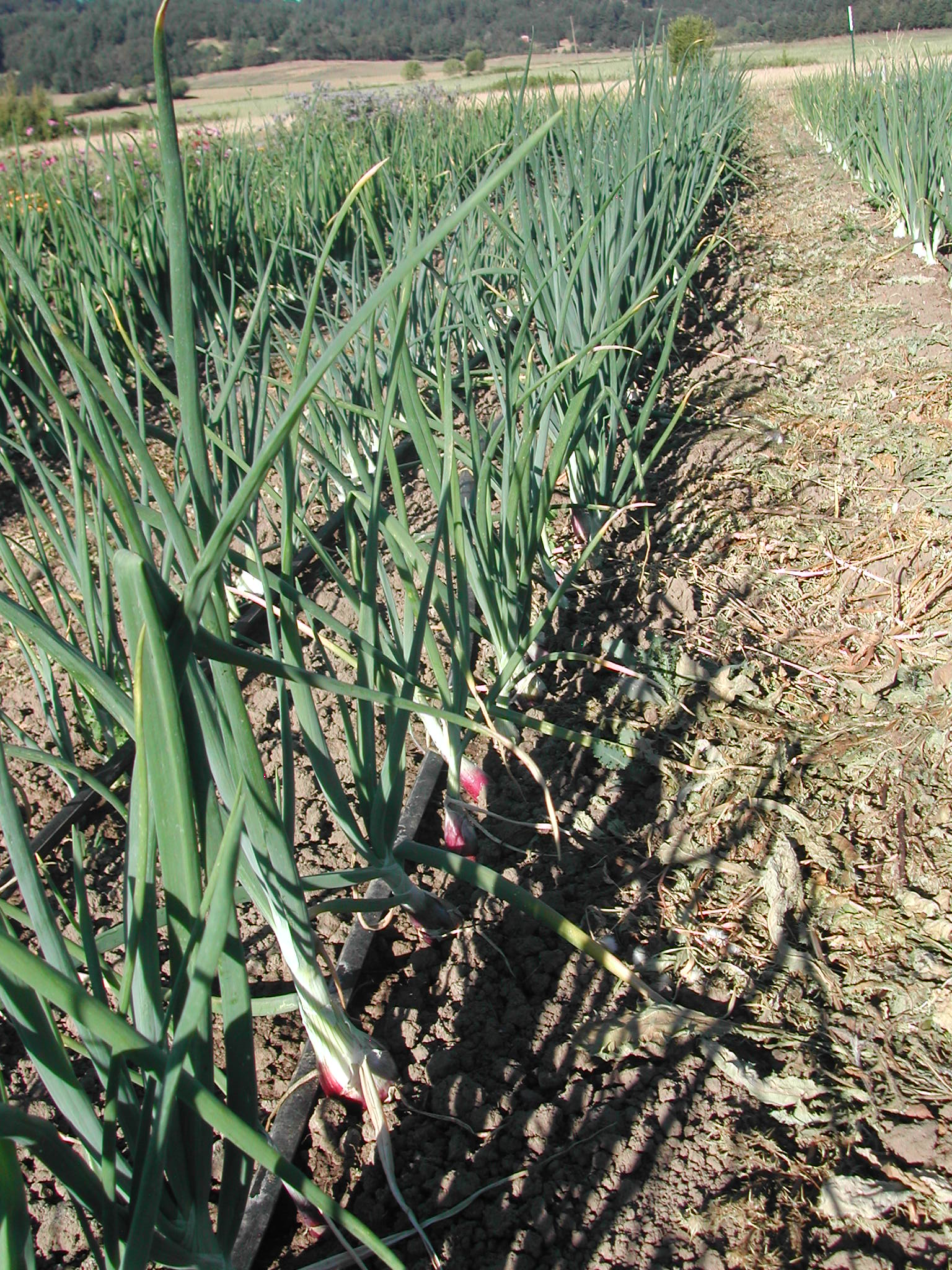
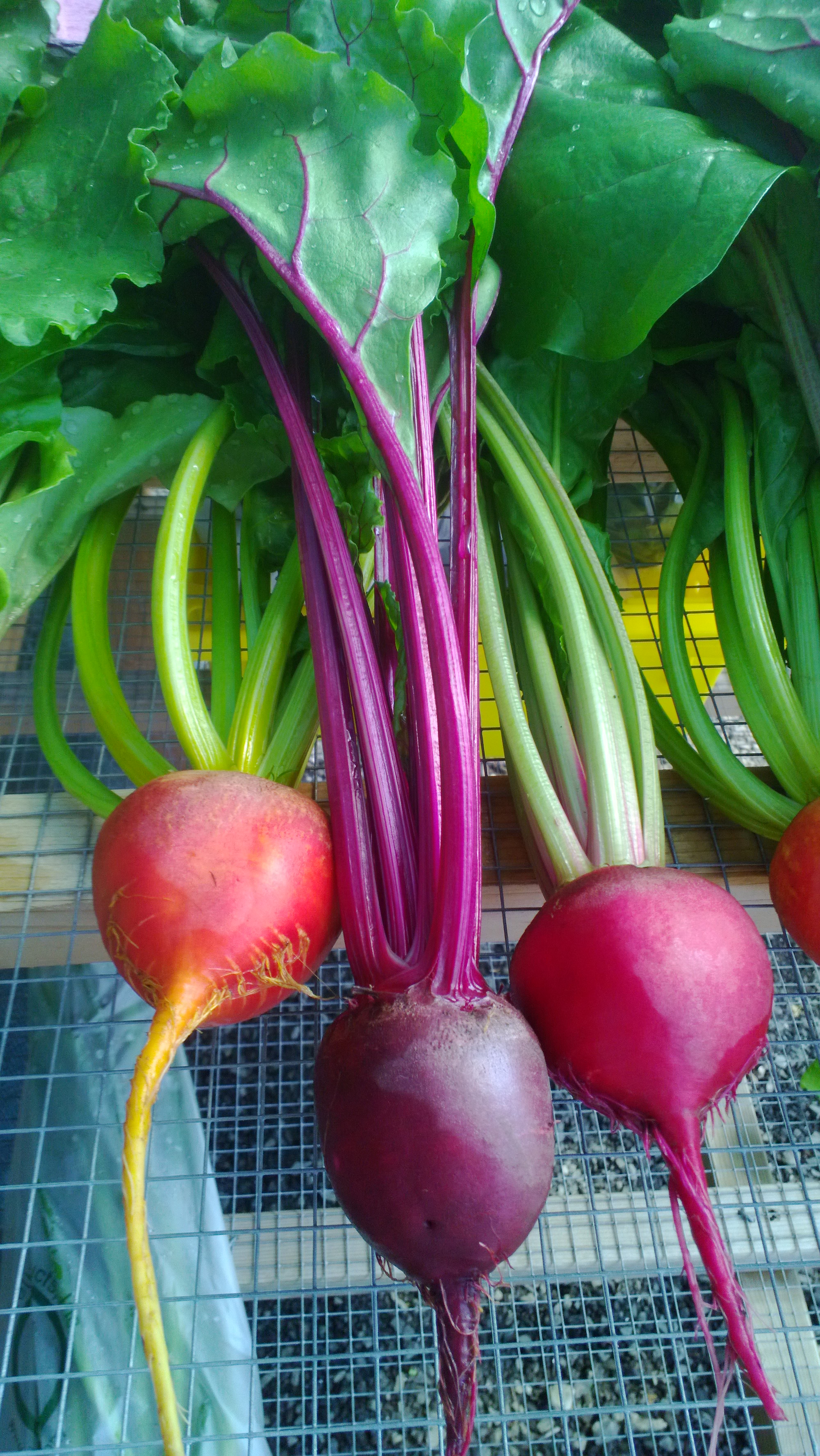
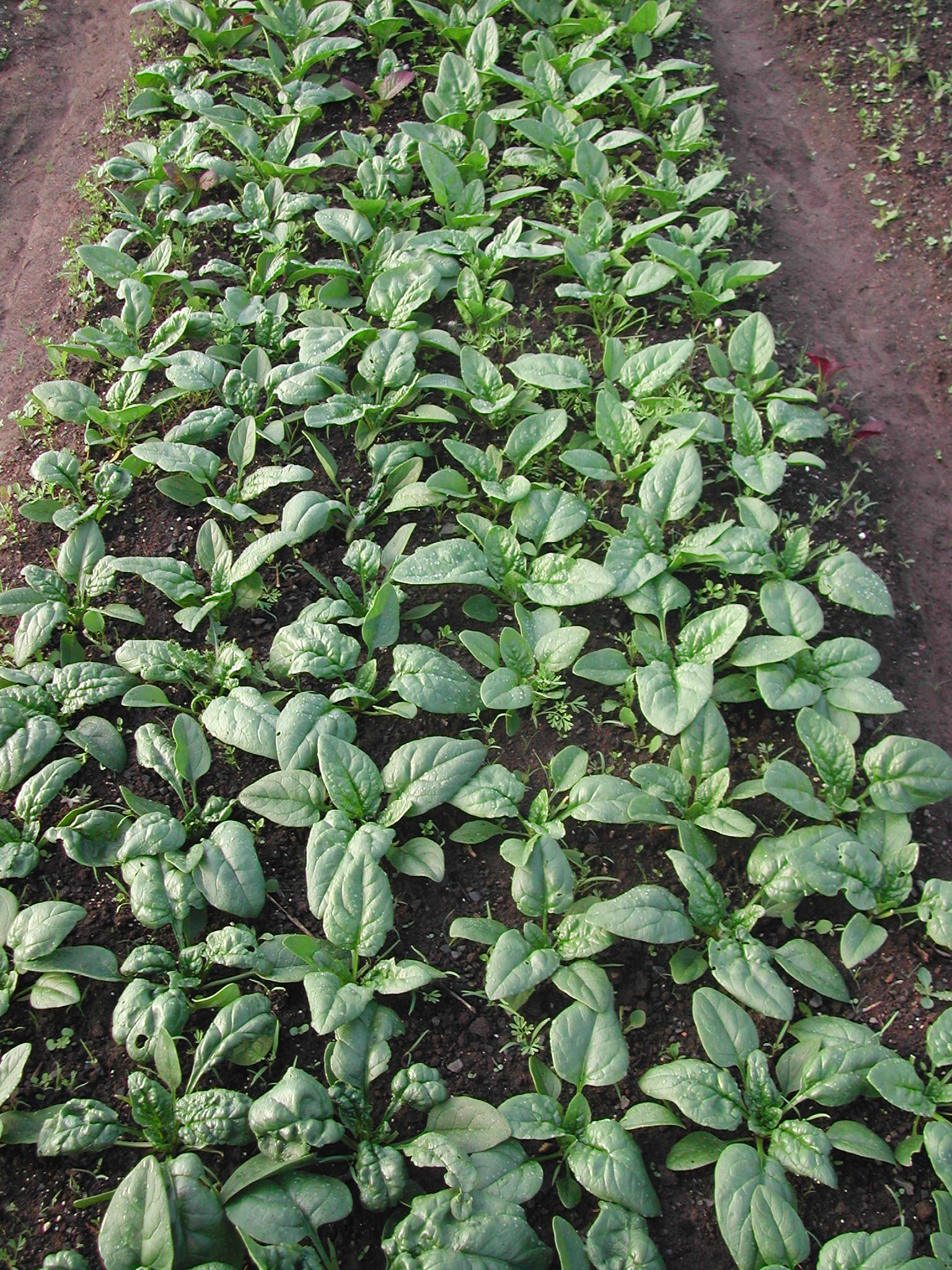
Unfortunately, we have lost many of our spring crops (kale, chard, some cabbage and kohlrabi, fennel, artichokes, plantings of peas, beets, spinach, some lettuce and onions). Once I realized what was happening, I stopped planting in the affected fields (pretty much all of our half-acre spring field and a good quarter acre of one of our summer fields along with patches in the other summer field) and have been scrambling to plant left over starts in other places and restart some crops. Fortunately, we have areas that are unaffected and crops are growing nicely in those areas. The beets and carrots are beautiful this year. Summer crops are on their way.
While we are very discouraged by this discovery, we know that many organic farmers face the same problem and manage it successfully (mostly!). We are encouraged by their success and will do our best to manage it, too. This is not the end of this season, it has just put a damper on the beginning. Summer and fall crops are still to come and we are looking forward to lots of good things to eat.
Getting Ready
It’s May. The spring is flying by and we are just a few short weeks away from the first vegetable deliveries. The early field is almost full; just a few more beds to plant. The main season fields are just about ready to get started. Eating with the seasons makes each time of year so enticing. One can savor each vegetable in its prime. I can’t wait for all this to grow into dinner!





First Day of Spring
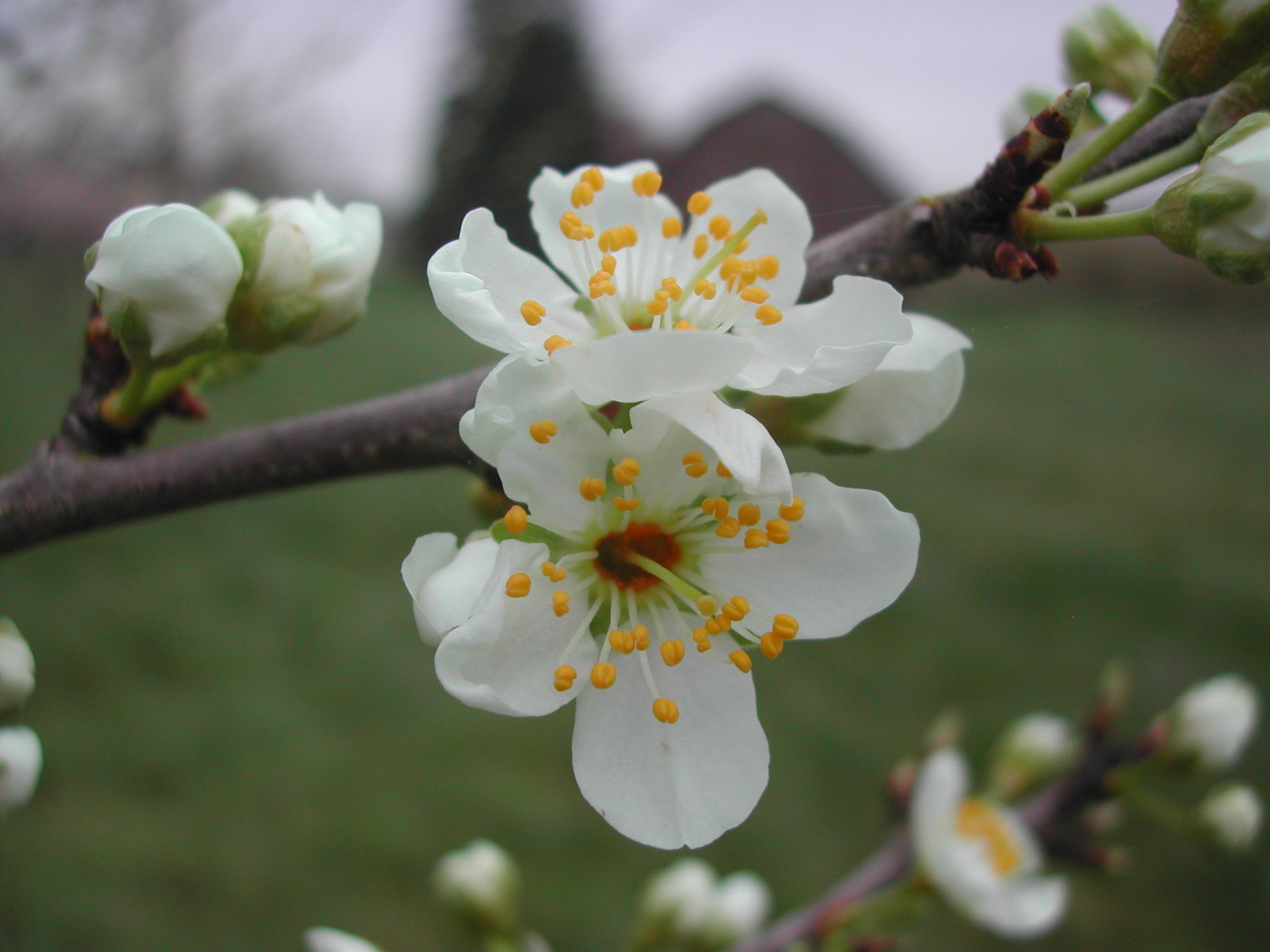
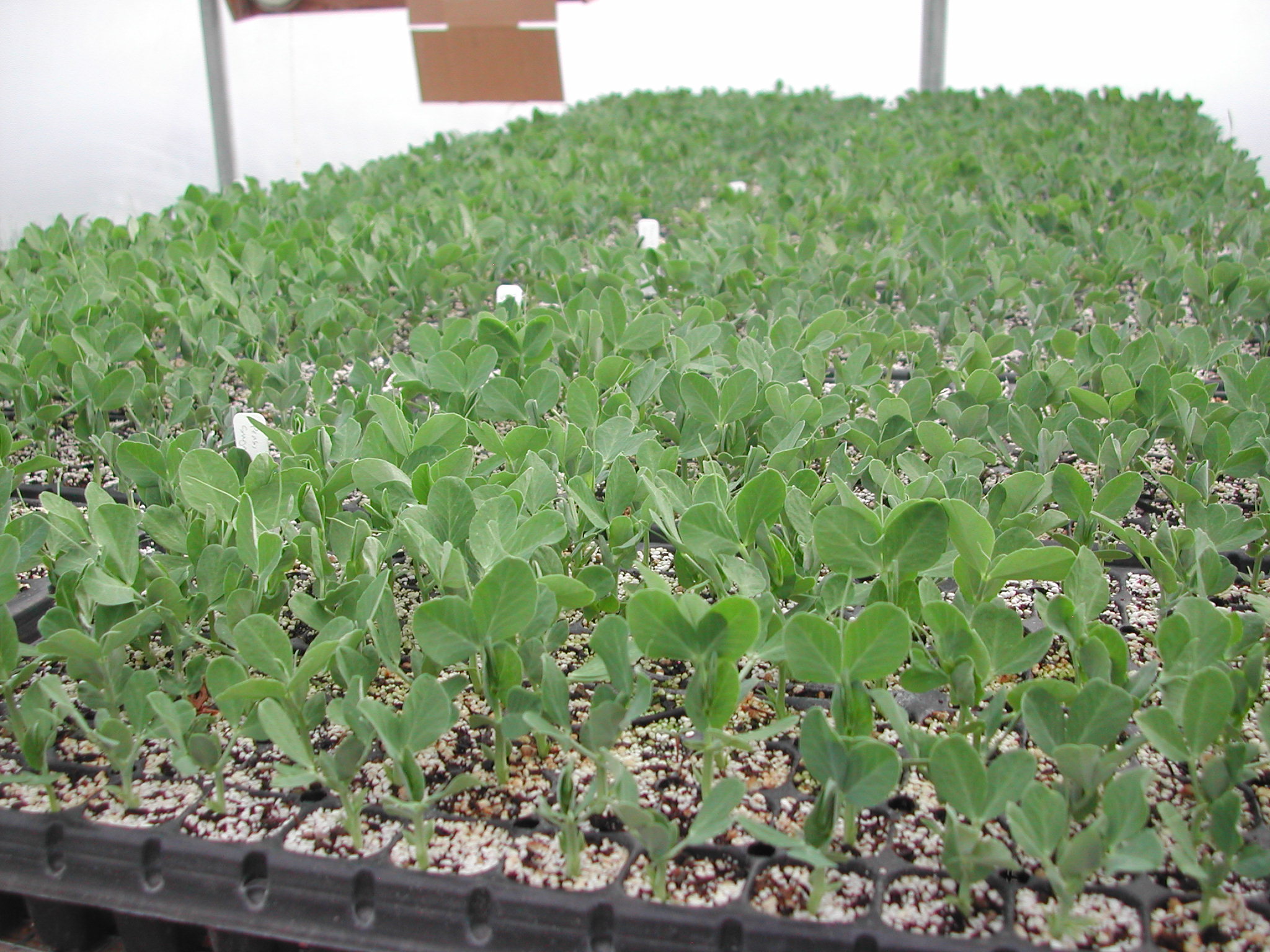
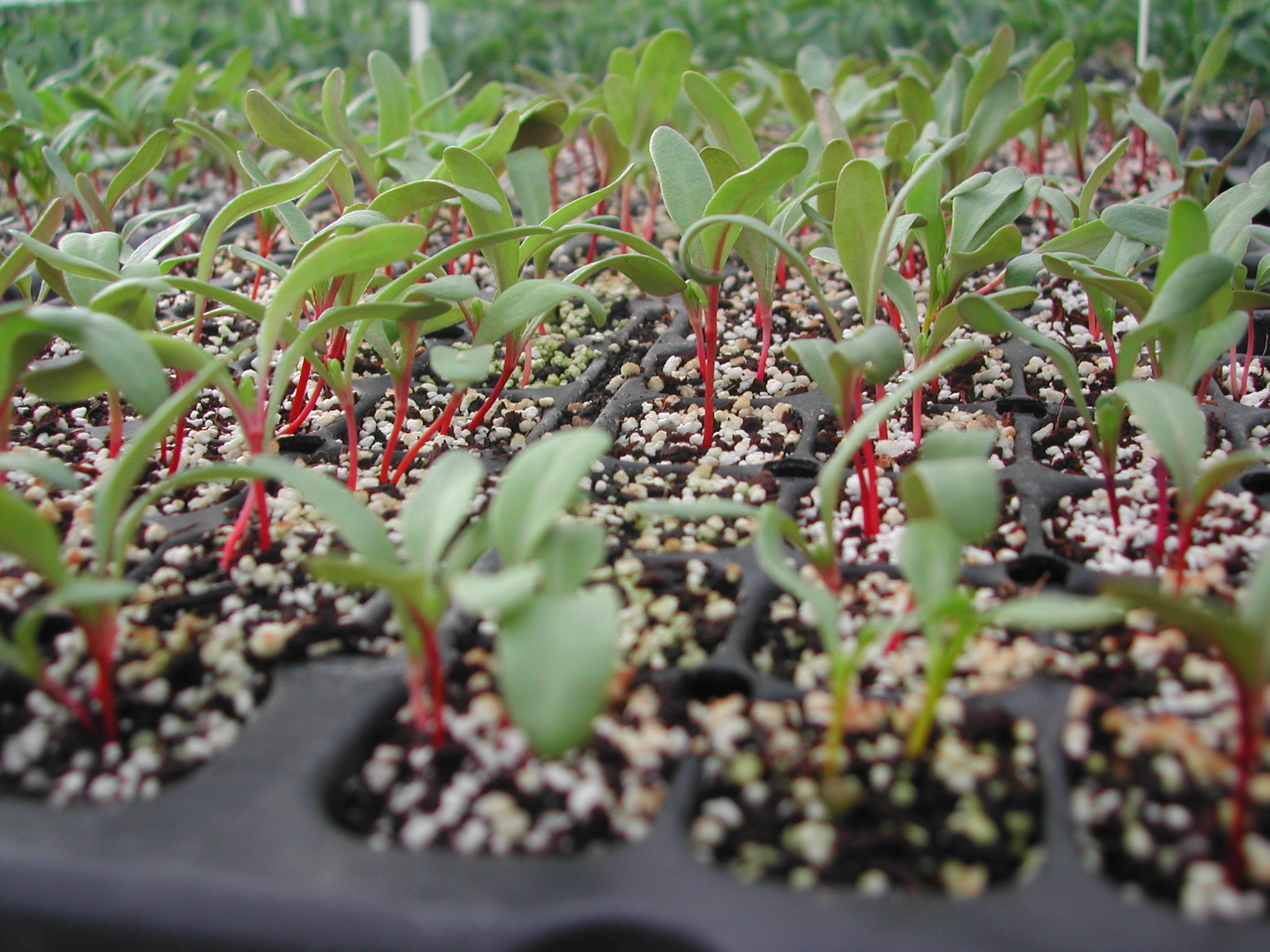
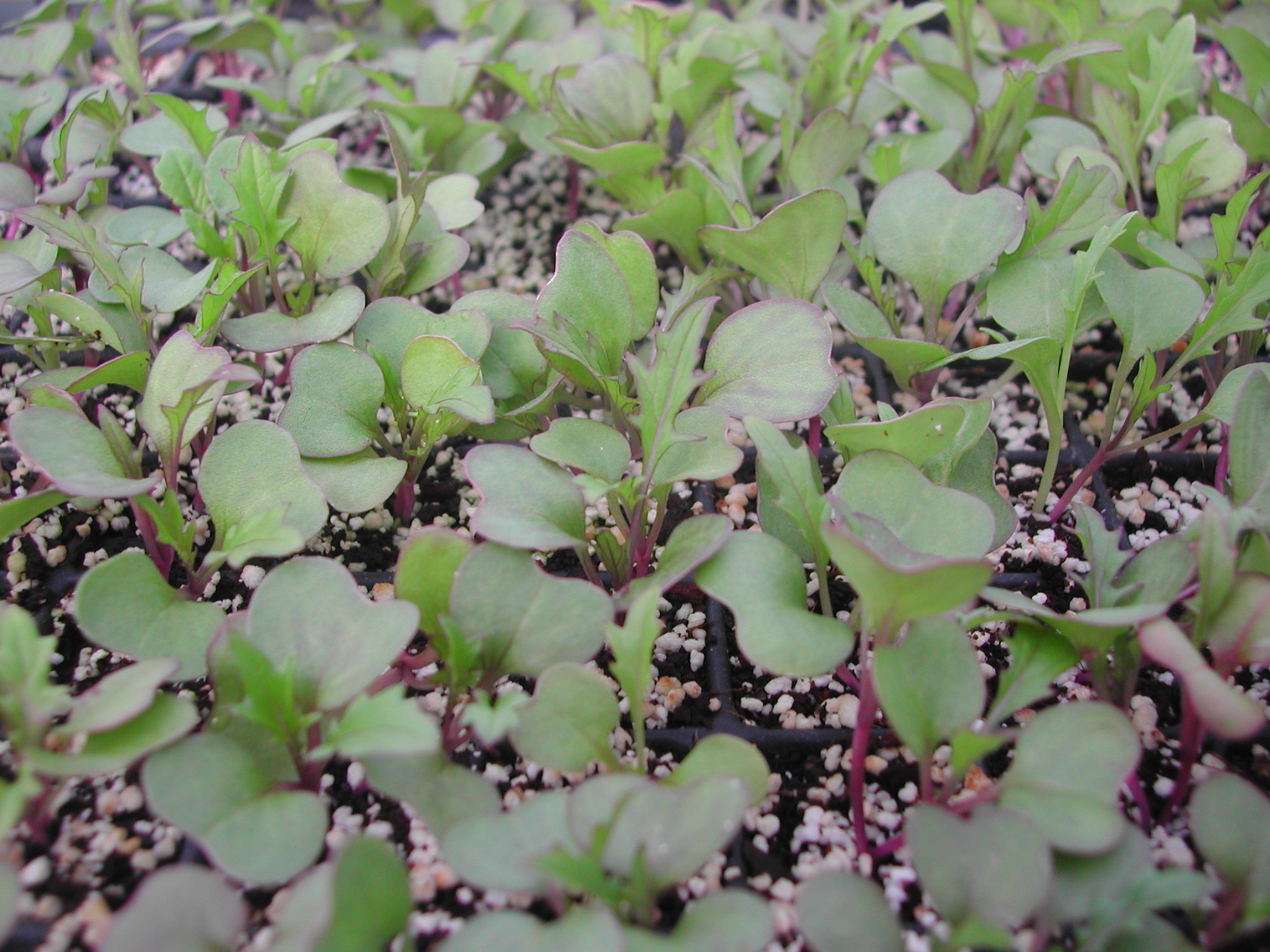
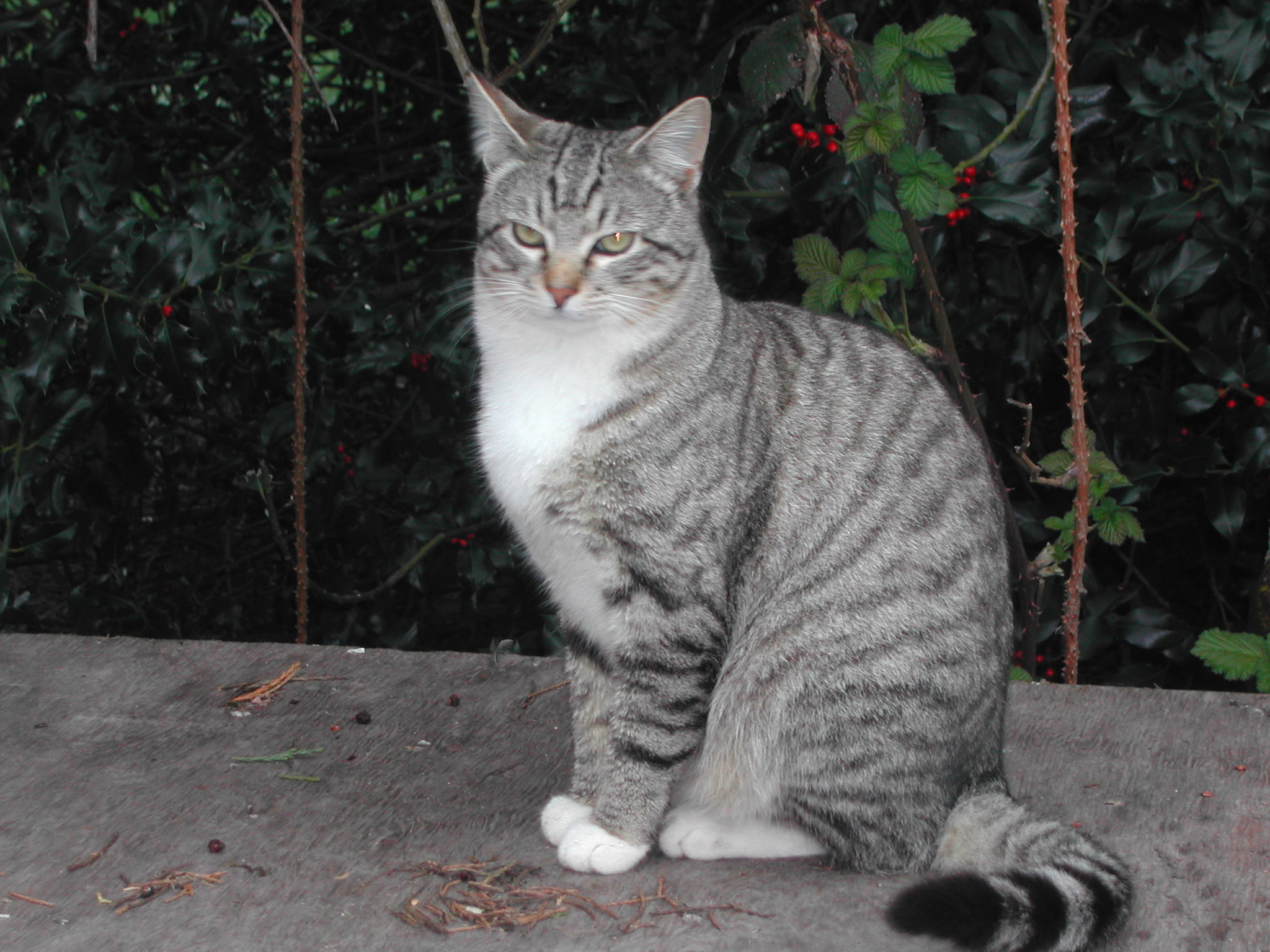
Here are a few pictures from the farm on the first day of spring 2015:




A Season for Thanks and Reflection
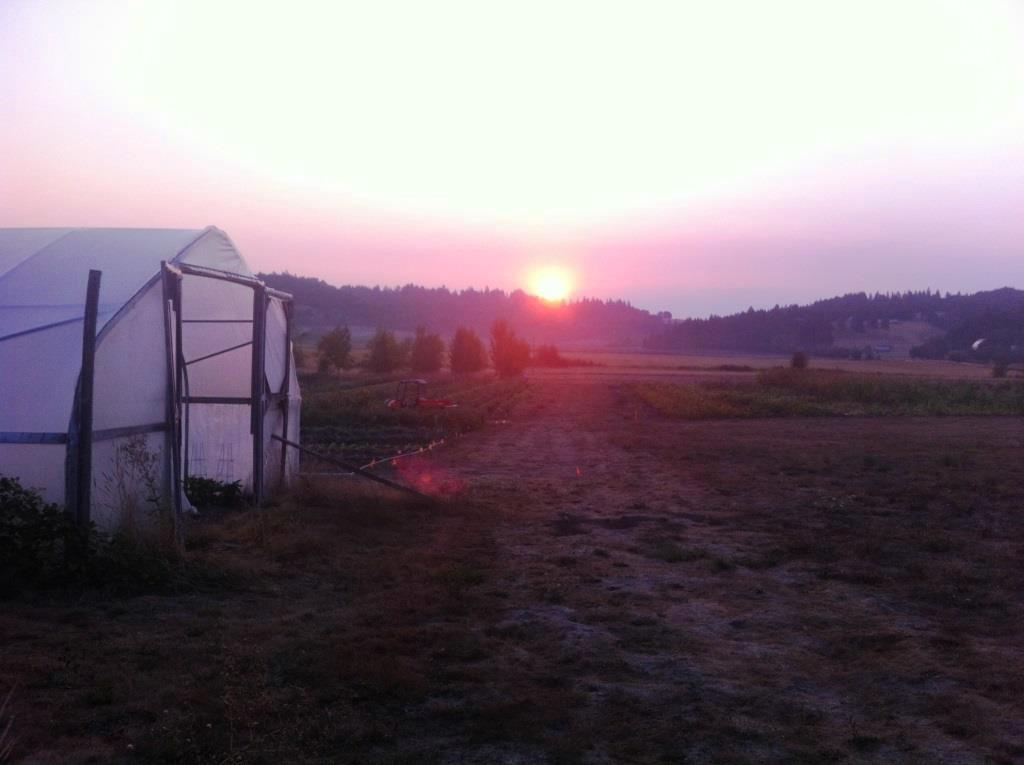
The day begins, photo by Beth R.
With Thanksgiving and the last delivery of the regular season last week, along with winter arriving in a few weeks, it is a good time to sit by the fire in the wood stove and think over the past season and all I have to be thankful for. I have a lot to be thankful for. Here are a few things:
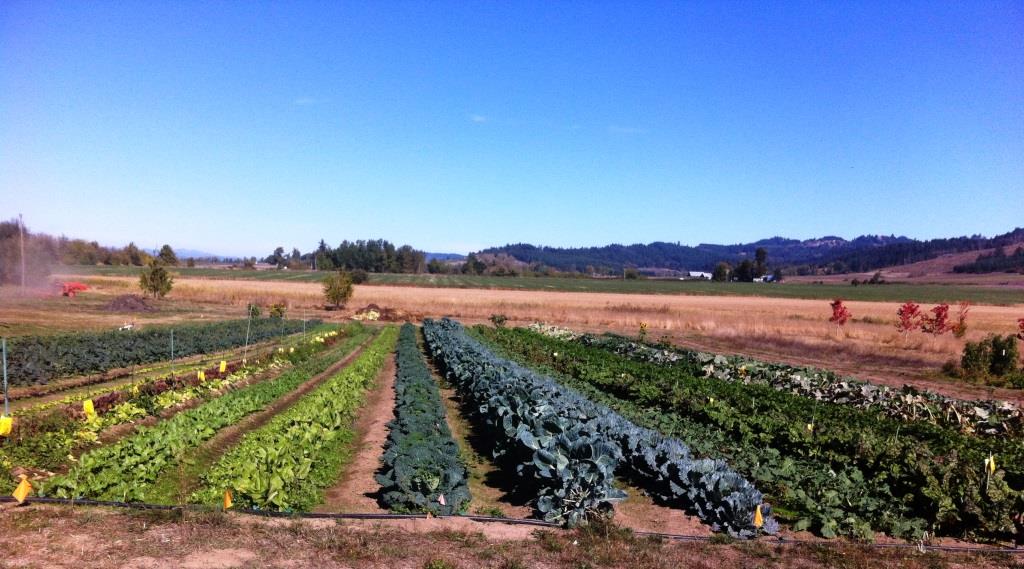
Field E, photo by Beth R.
The most productive season for Bethel Springs Farm/June’s Corner Garden to date. Beginning as June’s Corner Garden in 2007, I had less than 1/3 of an acre in production. Last year, when we moved to the new farm, I put in 1 acre of vegetables. This year, it was nearly 2 acres producing lots and lots of vegetables. Some statistics from this year (in produce sold): 1,000 zucchinis, 449 lbs of spaghetti squash, 203 lbs of snap peas, and 1,202 cucumbers, among other things.
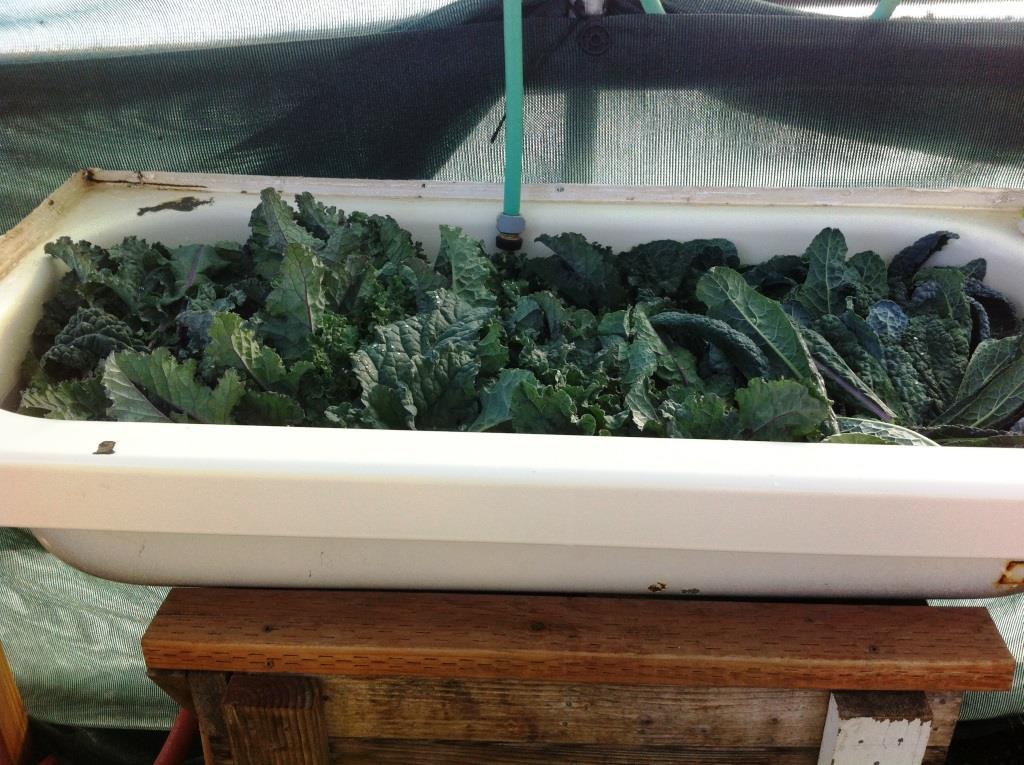
Kale bath, photo by Beth R.
Having great people to work with. This year, I hired my first official employees. Over the course of the season, I had three great women to work with, one for whole season, and two for part of the season (added up all together, close to 1 full time employee). Not only did I benefit from their hard work, but I benefited from their insight and enjoyed their company, as well.
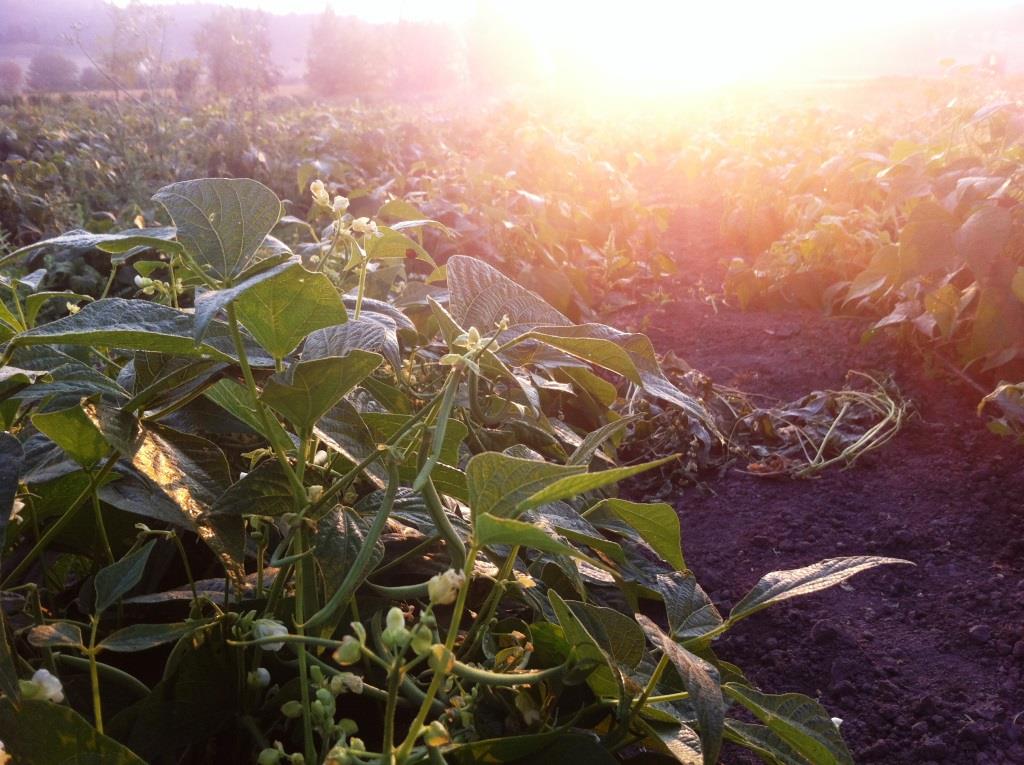
Beans at sunrise, photo by Beth R.
Becoming certified organic. I have been growing using organic practices all along, but this year, went through the process to be certified. It feels good to have my practices verified by a third party and to know that you can be assured of my practices, as well.
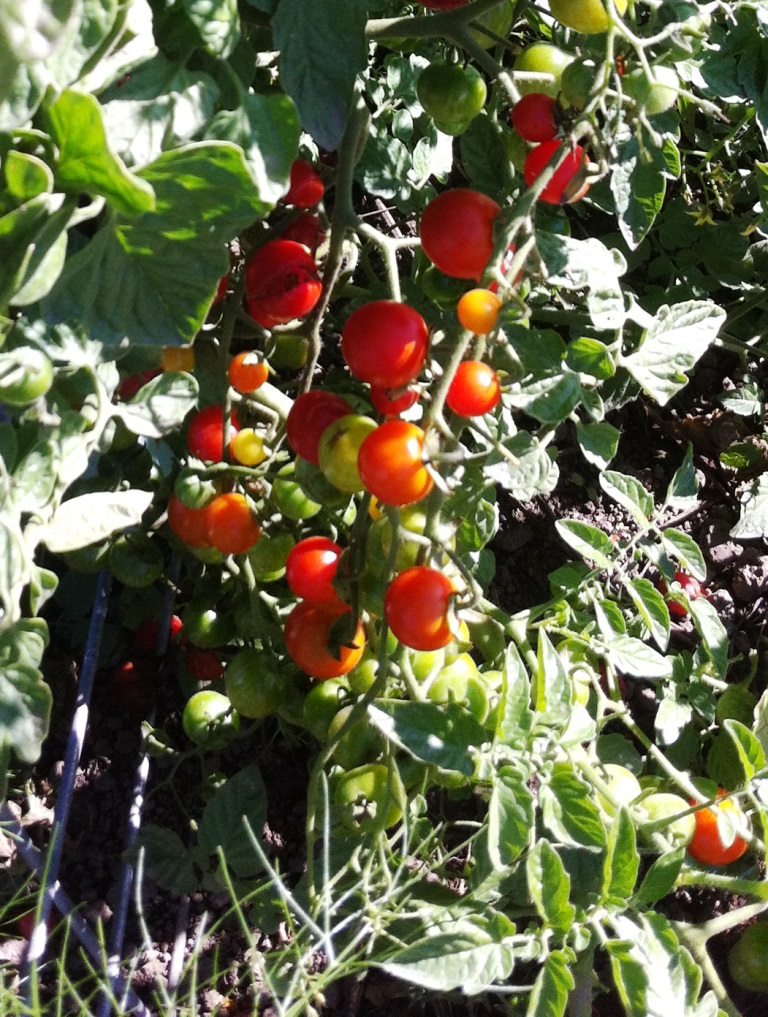
Cherry tomatoes, photo by Beth R.
Eating really well. My cooking and eating habits have changed over the years. I have to admit, I haven’t always liked many vegetables. Eating fresh from the field changed that. Now, I like almost all vegetables, and while I eat meat, other animal products and grains, the majority of my diet comes from vegetables and fruit. Really good vegetables and fruit.
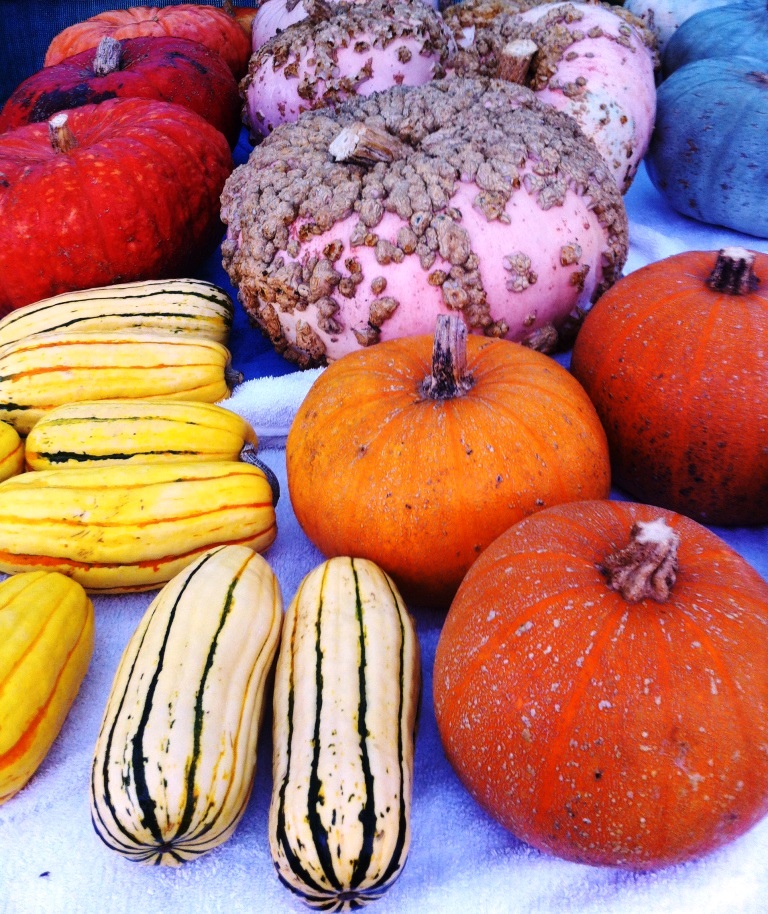
It was a good winter squash year, photo by Beth R.
The best customers ever. I am so thankful for my customers. You keep me in business, doing a job I love. I have said this before, but it is still true: the Willamette Valley is full of small, organic farms, growing amazing produce. You have lots of farms to choose from for fresh fruits and vegetables. I am thankful and honored to be one of your choices.
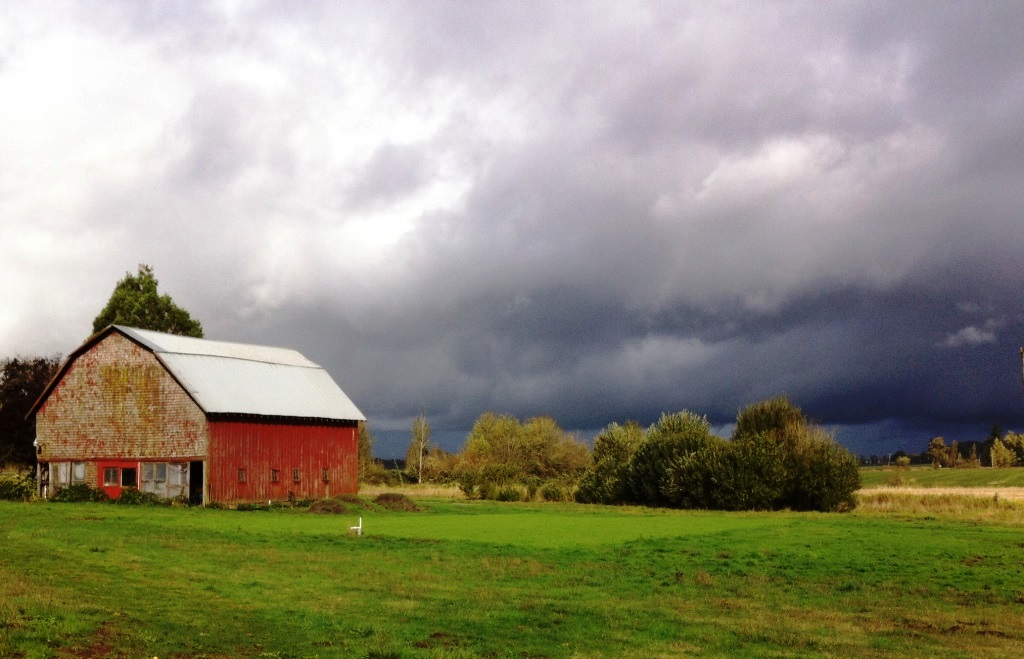
The rain is coming, photo by Beth R.
I will do more reflecting on the season in the shorter, colder, darker days of winter. I will read, dream and plan for next year. I will work on some projects and finish up some work in the fields. Life is good and I am thankful.
PS: I am thankful for my husband, Steven, too. I was going to put him in the list, but it was getting too long, so he got left out. He was okay with that.
More Harvests and Getting Ready for Winter
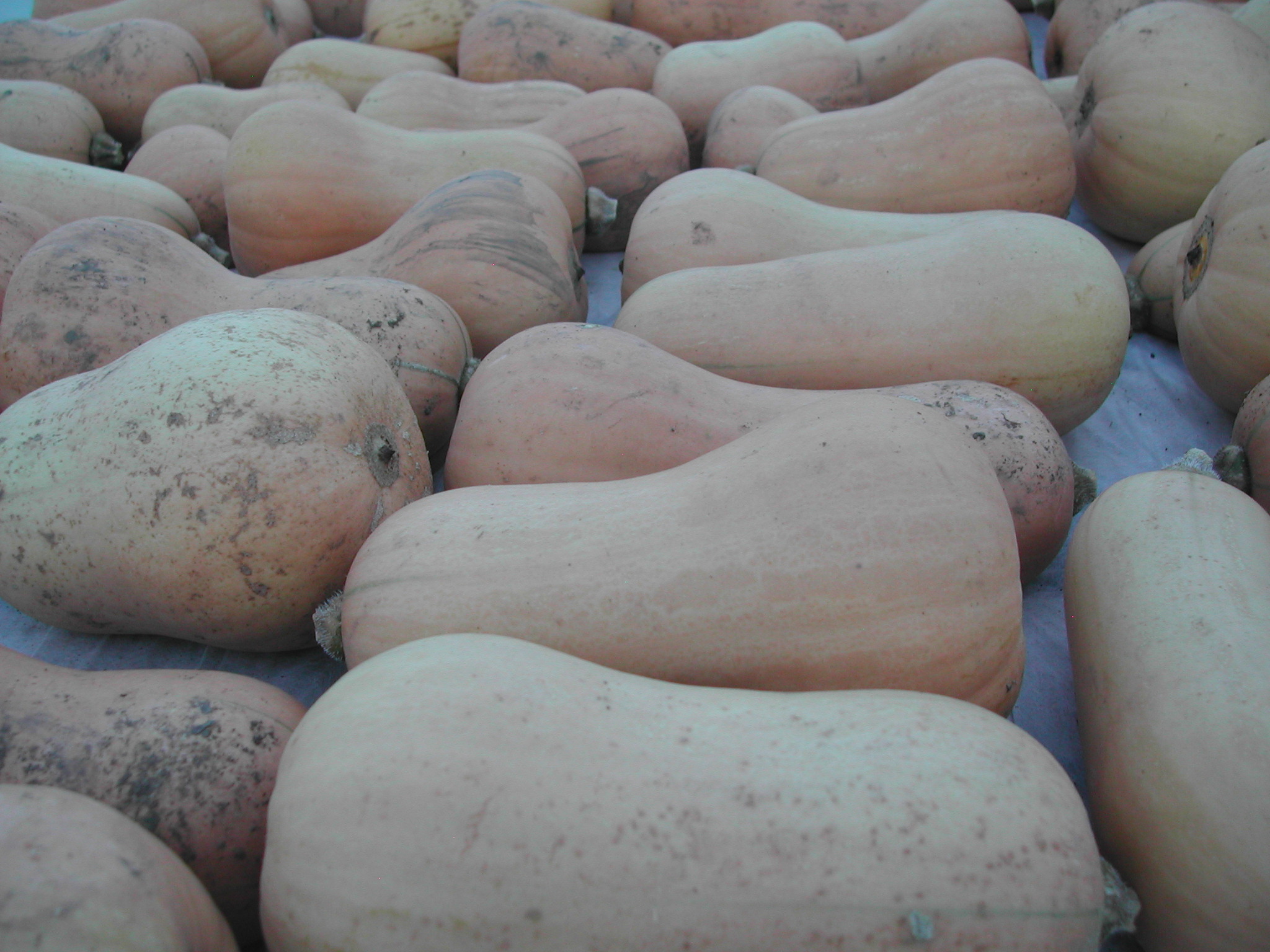
Butternut squash, harvested and curing in the hoop house
Harvest, getting ready for winter, and a few new tools to help out, were the themes of October.
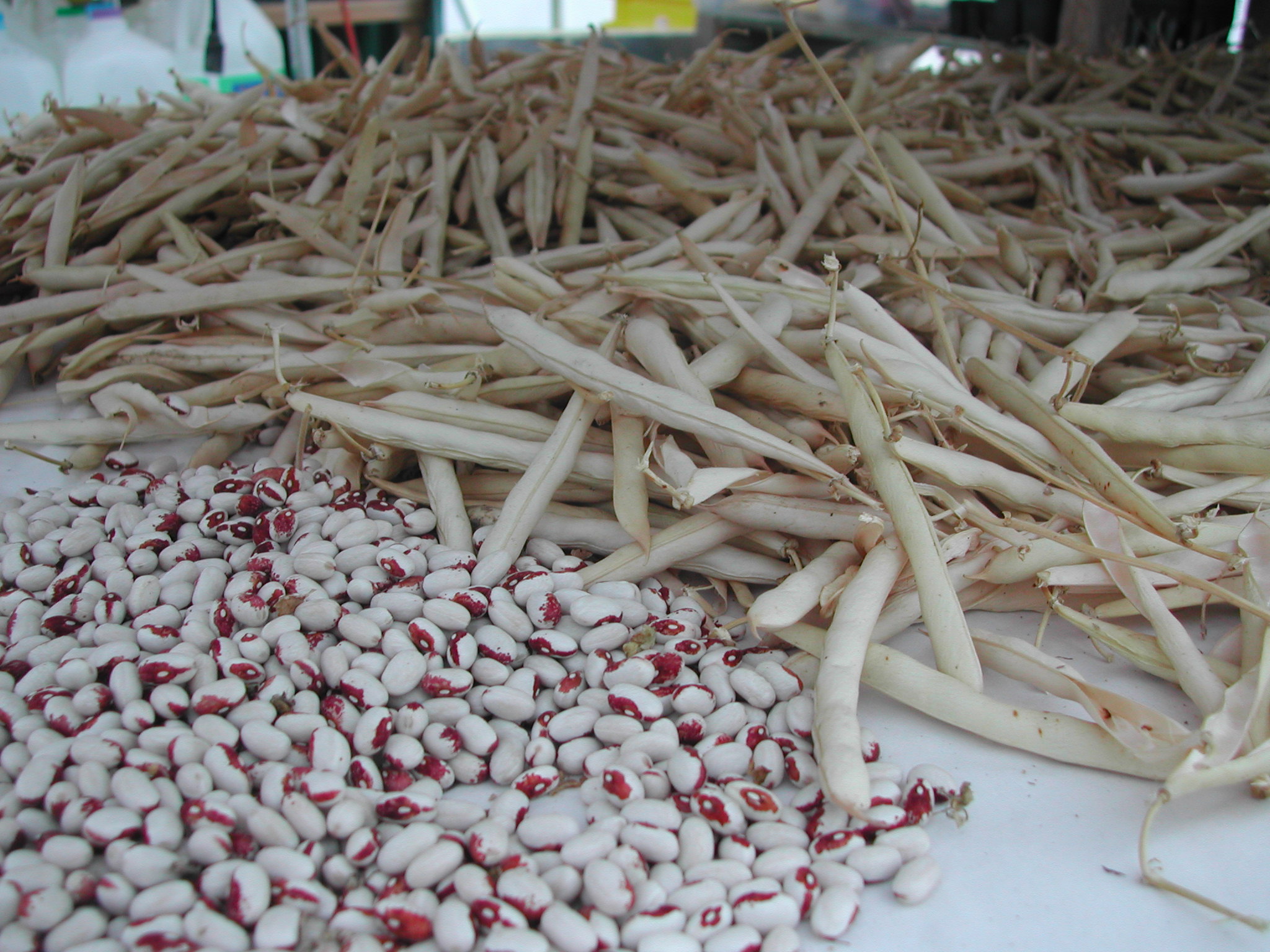
Rockwell dry beans, waiting to be shelled
Early in the month, a few weeks after our first dry bean harvest, a few friends came over and helped us with our second dry bean harvest: the Black Turtle beans. We were so happy to have the help again, and again, with the help it went quickly. All the beans are out in the propagation hoop house, laid out on tables, waiting to be shelled. Unfortunately, we haven’t gotten any new equipment to help us with the dry beans, so it is either shelling by hand or trying the fan method (threshing the beans out of the pod, then pouring the whole mess in front of a fan to blow away the broken pod pieces, while the beans drop to the ground). Up to this point, we have always shelled by hand, since we haven’t had too many beans. But, this year we have more, so though we have already shelled some by hand this year, we are still considering other options.
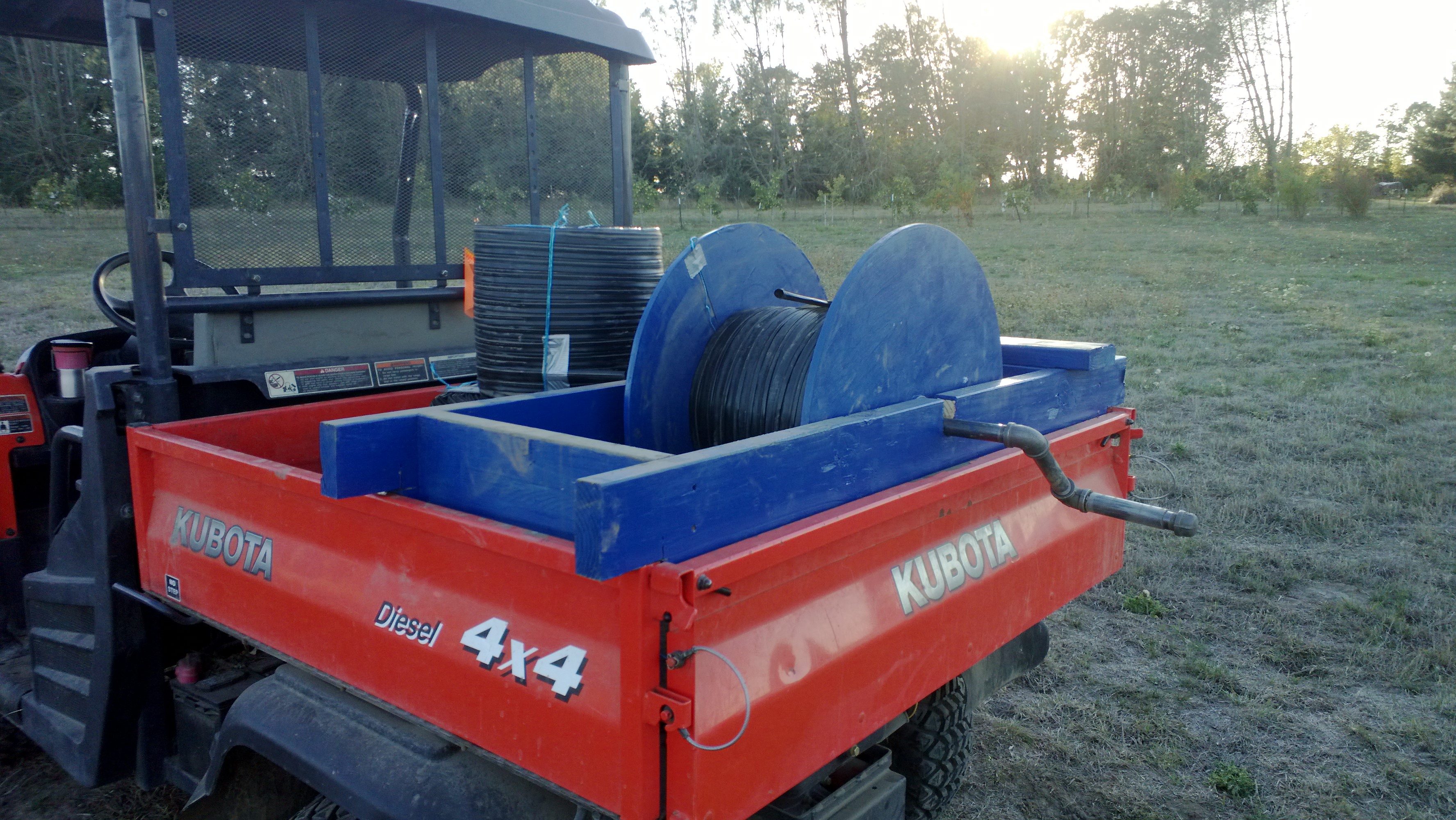
The drip tape winder and neatly rolled drip tape.
A week or so later, I brought in all the winter squash from the fields, to cure in the propagation hoop house…which as you might guess, is now full of beans and squash instead of vegetable starts. Getting all these crops out of the field was important, so we could start sowing our cover crops for the winter. But, before we could prepare the fields for the cover crops, I also had to take out the drip irrigation lines. Our first new tool came into play here: a drip tape winder. Steven’s dad built it for us, from a plan written up by Josh Volk in Growing for Market, a small farm publication. The drip tape winder is a big spool on a frame you can wind the tape up on, to make a neat roll. Last year, we laid out our drip lines between our hoop houses and left them there for the winter. Not the best storage conditions. Come time to put the drip lines back in the fields, the grass had grown up around them and it was quite a job to pull them out and untangle them. Now they will be stored neatly in rolls, in the barn. When it is time to lay them out, I can simply put them back on the winder and roll them off into the fields. It is a simple tool, but what a difference it makes!
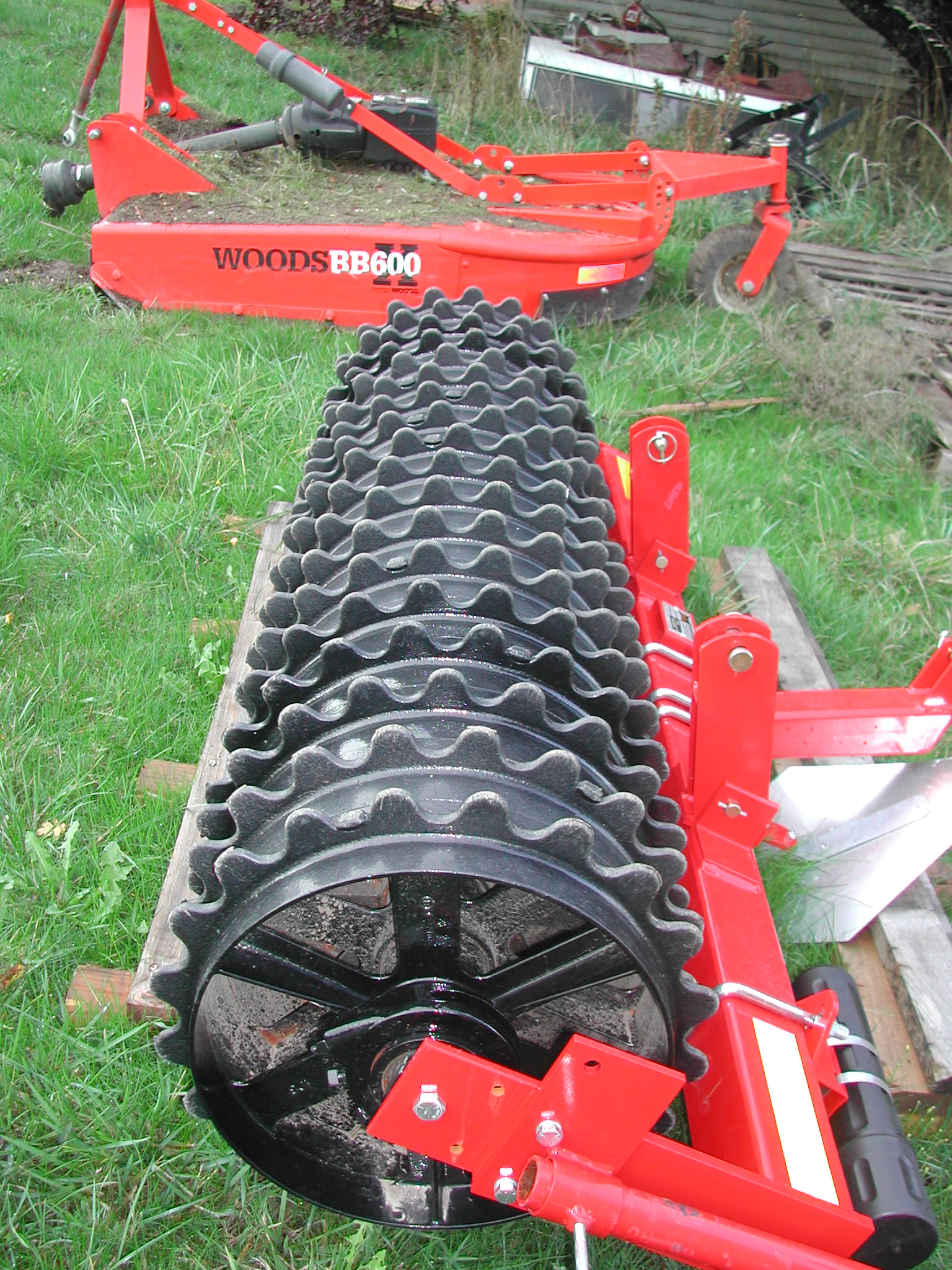
The ring roller, aka “The Pulverizer”
As for cover crops, here in the Willamette Valley, mid-September to mid-October is the best time to plant many of the varieties for fall/winter cover. We planted a mix of annual rye grass and hairy vetch in our fields. We purchased a new tool to help us with this job: a ring roller, or as the company who makes the tool calls it, a pulverizer. Its job is to give the seeds good contact with the soil, so they have a better chance to germinate. We used it with the first field we sowed in September, and the seed has grown to give a very nice cover for the soil already. We had to wait for some rain before we could open up two new fields for future use and get them, along with one other field seeded. Then more rain came. Luckily, it wasn’t too much (though more than ideal) and a week later, we sowed the last two fields. We finished by headlight and headlamp on a Sunday night. Those fields are all germinating and we hope they will grow enough to offer the soil some protection from the winter rains.
It is good to have that work done, but it certainly does not mean the season is over. One field will stay in production all winter. The harvest continues!
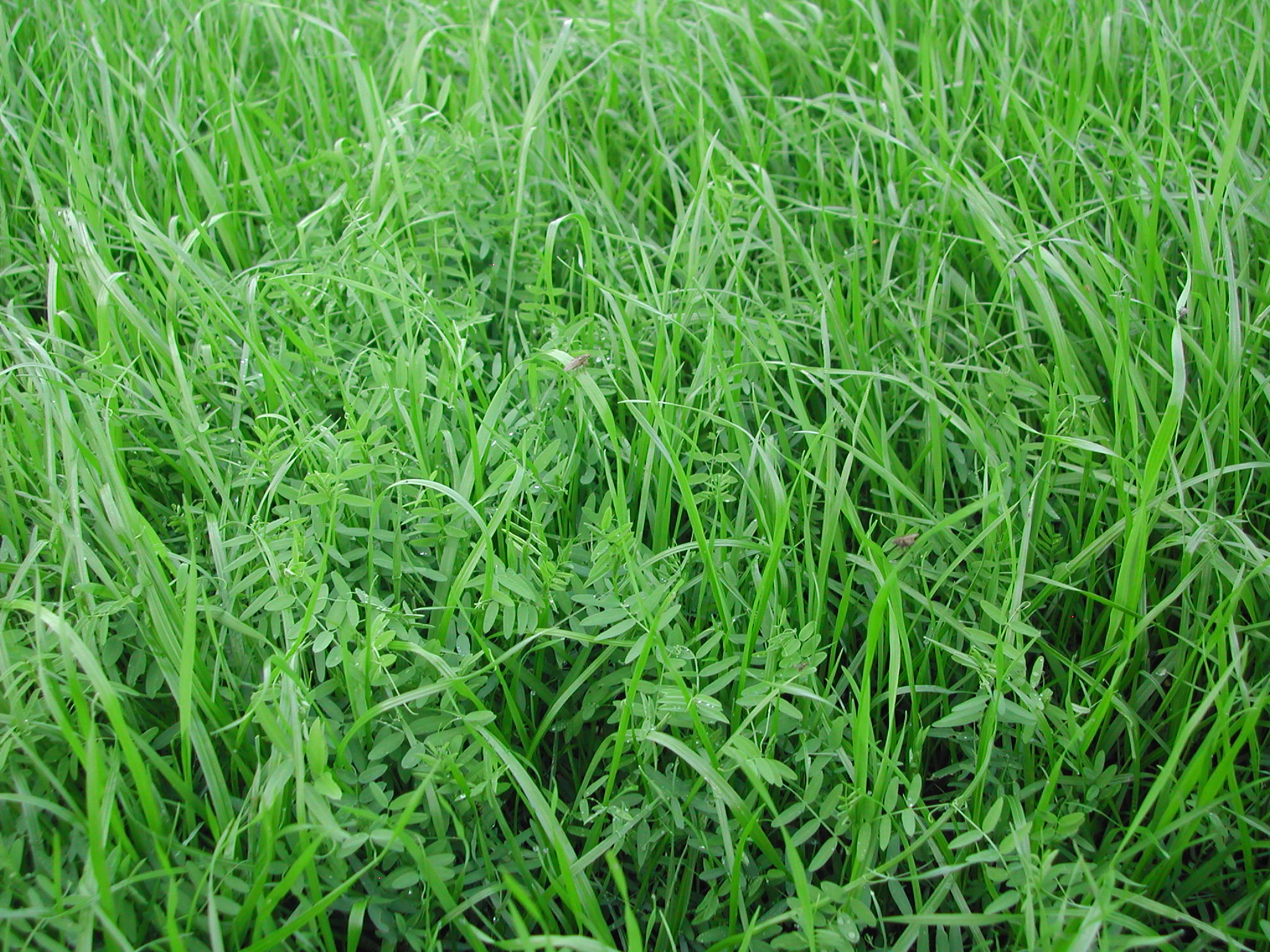
Our annual rye grass and hairy vetch mixed cover crop, in the first field we sowed
Harvests
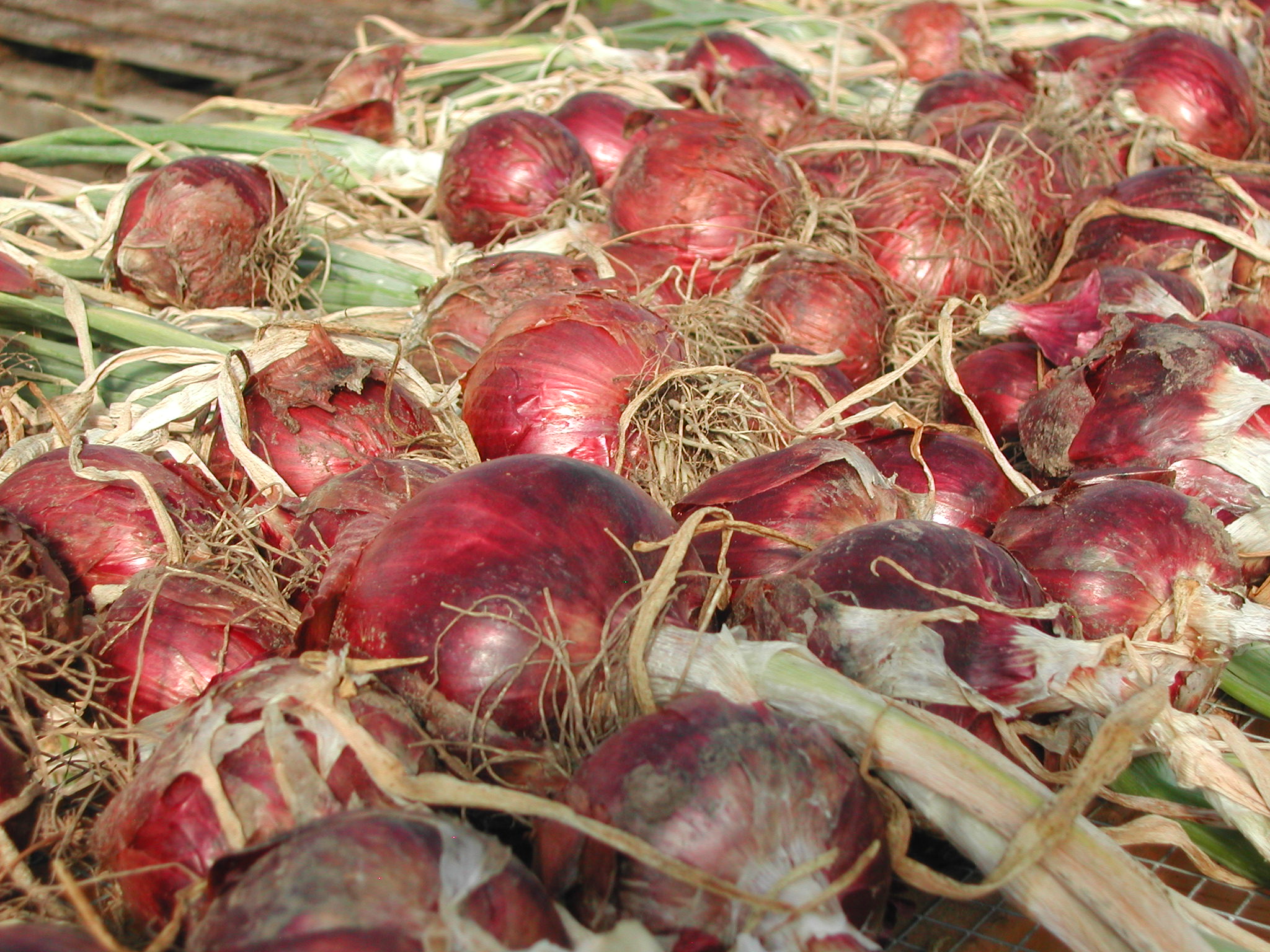
The Red Wing onions are in and drying for storage.
This week it felt good to bring in a few storage crops before it really rained this fall. Can you believe it is fall already? This season is going by so fast! The first harvest of the week was onions on Tuesday. I am not sure how much we brought in, since we just laid them out on tables in a hoop house to finish drying and didn’t weigh them. It was a good crop, though, more than I have ever brought in before. With smaller plantings when we were on Sauvie Island, I usually sold them before we could store them very long. Last year, I planted the same amount, but the gophers got a lot of them before we did. This year, I wasn’t expecting much, since they were in the field that we had so much trouble with. Despite that fact, they did quite well. Now we will have onions for quite a while this fall. Maybe even to the end of the season!

Dakota Black popcorn!
We also brought in the popcorn on Tuesday. Yes! Dakota Black popcorn! I grew this corn last year, but the Red Winged Black Birds got most of it, so I didn’t sell any. This year, we harvested just as the birds were discovering it was there. It needs to dry down more and I hope it will do that as well off the plant as on. If it does, we will have some popcorn on the cob this fall!

The dry bean harvest crew
The last major harvest of the week was the Rockwell dry beans on Saturday. I planted them later than I had planned, but with just one row per bed and a very hot summer, they matured on time. I contacted my niece at OSU and asked her a favor…could she bring a few friends over to help us harvest? Lucky for me, she is a kind, generous person, who is not afraid of work. She jumped right in on my last minute request and found four friends who could make it, along with a car to get here. With that extra help, the dry beans were picked and ready to lay out in the hoop house to finish drying in a matter of hours. What a gift to have this help! We did provide lunch, and they will get all the vegetables they would like, as long as I have them, this school year. Lucky for me again, that she is living in a house with six other roommates, two of whom are vegetarians, and she wants to eat more vegetables herself.
We still have a few more crops to bring in: more dry beans, lots of winter squash and pumpkins and potatoes. I just have to find more storage space…
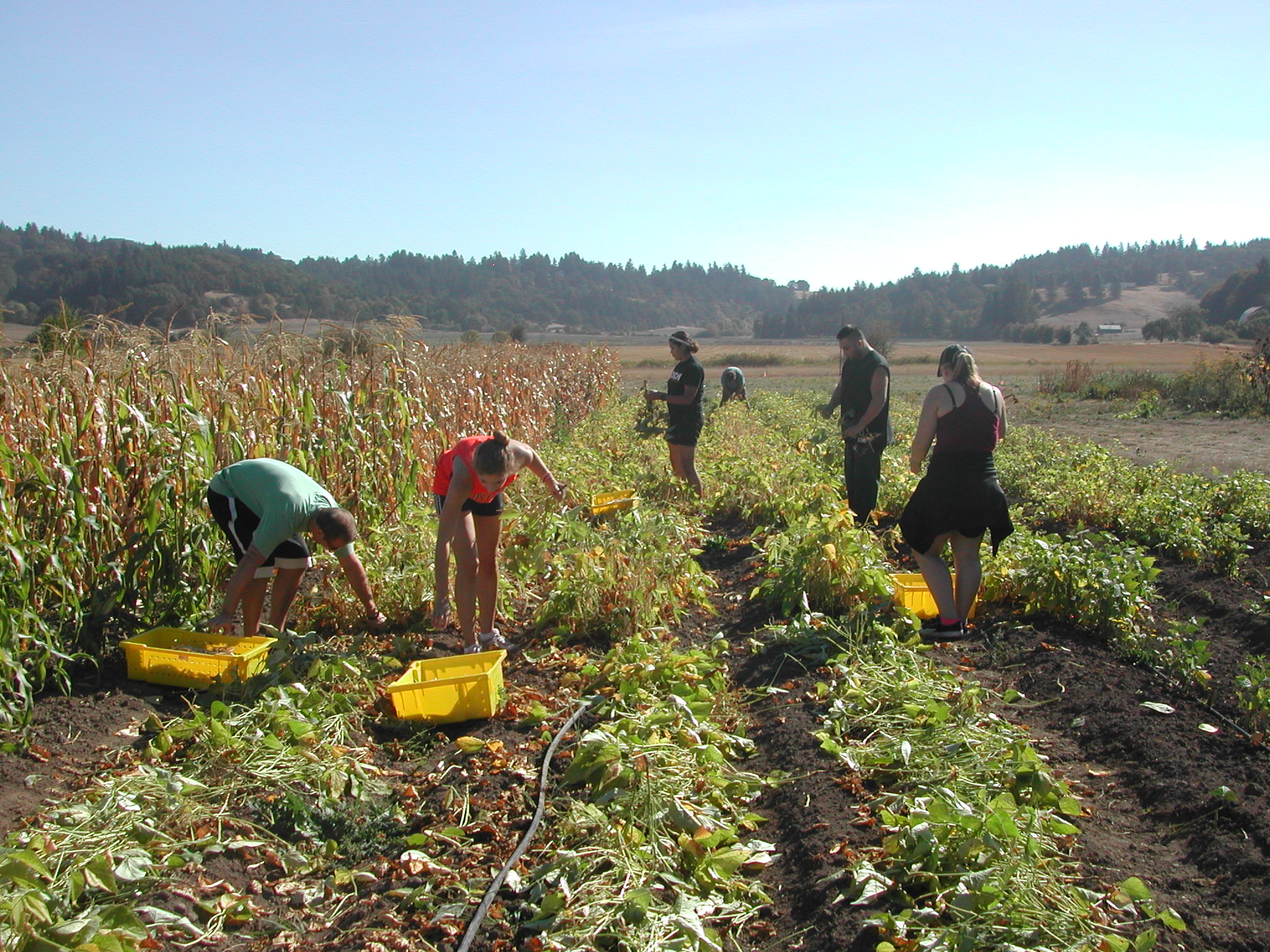
The harvest crew, hard at work.
Certified!

Bethel Springs Farm is now certified organic to the USDA’s National Organic Program, the national standard.
As of July 28, 2014, Bethel Springs Farm is now certified organic! I have wanted to apply for the certification for some time, and finally did it this year. It felt like an important thing to do. I realize, that for many of you who know and trust me, the organic certification doesn’t make much of a difference. But, for new customers, now you can be assured that I am using organic growing methods. I am certified by Oregon Tilth Certified Organic.
Over the past several years, I have learned about organic certification and how it all works. I would like to share with you some of the things I learned, in case you have wondered about it. Originally, in the 1970’s, organic certification was done by local or regional agencies that each set their own standards for certification. Though the standards may have been very similar, there was no government oversight that made sure there wasn’t a lot of variation in those standards. As the organic sector of agricultural production grew in the 1980’s, the need for a national standard was recognized. In 1990, The Organic Foods Production Act was passed, as the foundation for federal regulation of organic food. As called for in this act, the National Organic Program was developed, which set the standard for organic production, to which all producers are certified. The National Organic Program went into effect in October of 2002. From this point on, to be called organic, a farm/producer must by certified by a third-party certifying agent, approved by the US Department of Agriculture. Though there are many certifying agents, from state departments of agriculture, to non-profits, to for profit agencies, they all certify to the same standard set forth in the National Organic Program.
I chose to be certified by Oregon Tilth Certified Organic. I chose them because of their history with organic certification (since the mid 80’s), their reputation, and their educational and research work. As a part of the certification process, I wrote an Organic Systems Plan, which laid out the practices I use to produce fruit and vegetables. Once this was reviewed, there was an inspection of the farm. The report of the inspector was reviewed, along with any clarifications in the Organic System Plant, and any final issues/questions were resolved before certification was granted. Here is a copy of the organic certificate for Bethel Springs Farm: OTCO_Certificate
Mysteries, Mostly Solved: Pests and Challenges, Part 2
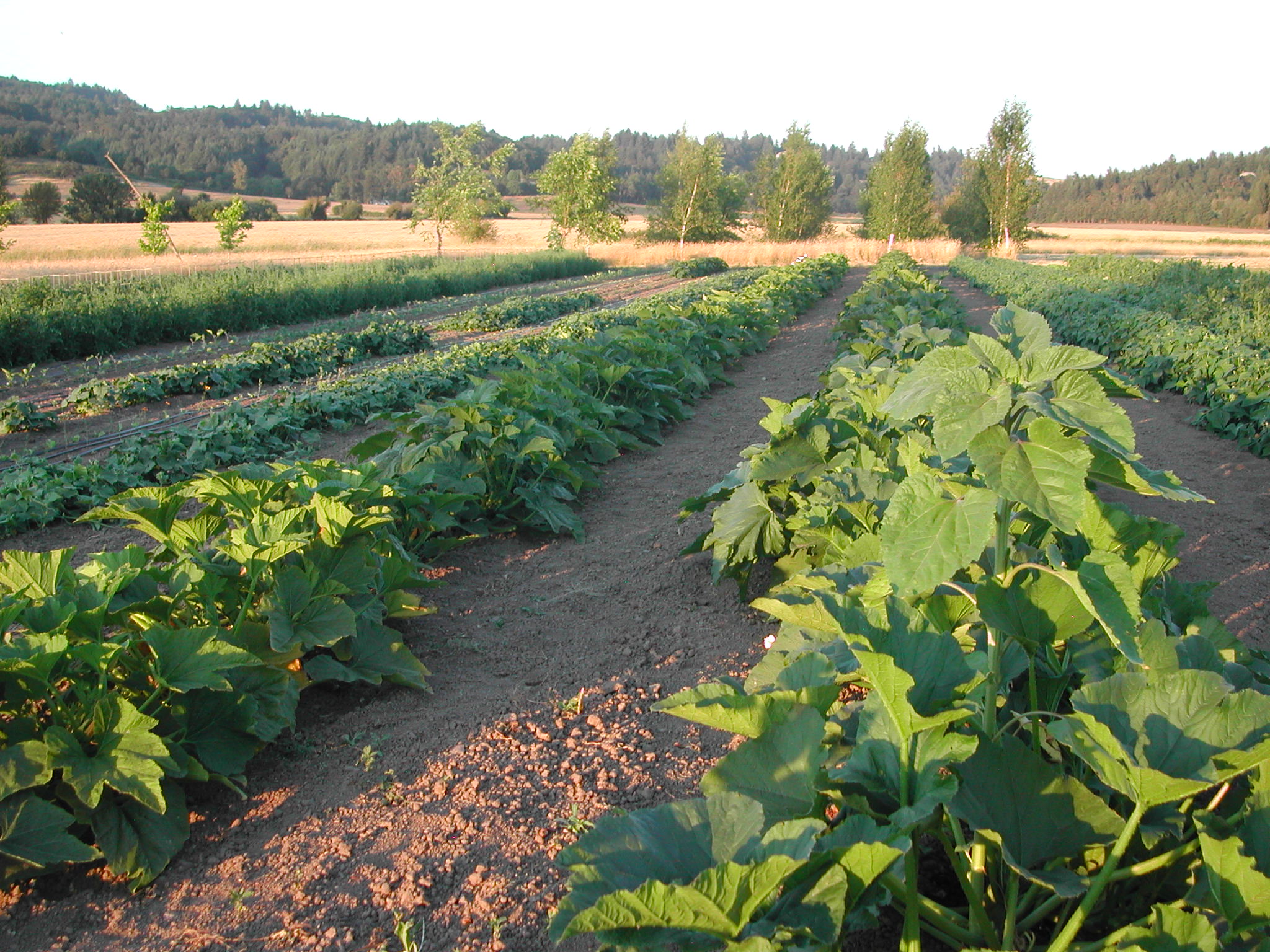
One summer field: summer squash and zucchini in the middle, beans on the right, cucumbers on the left, tomatoes beyond that.
Besides the usual pests we face, we had two mysterious challenges this season. The first started in the hoop house. The cucumber starts were looking great, back in May. Then, the day before we planned to plant them out, I noticed that they were starting to wilt. The soil was moist, so it wasn’t from lack of moisture. We planted them out, as planned, and as we were doing so, noticed a definite lack of root structure on the ones that were wilting, thus the reason for the wilting. We kept planting and Bonnie (who is working two days a week with me this year), noticed some little larvae in the potting soil. Were they eating the roots? I did some research, but to no avail. I could not figure out what these larvae were and if they were the culprits or just a red herring. I reached
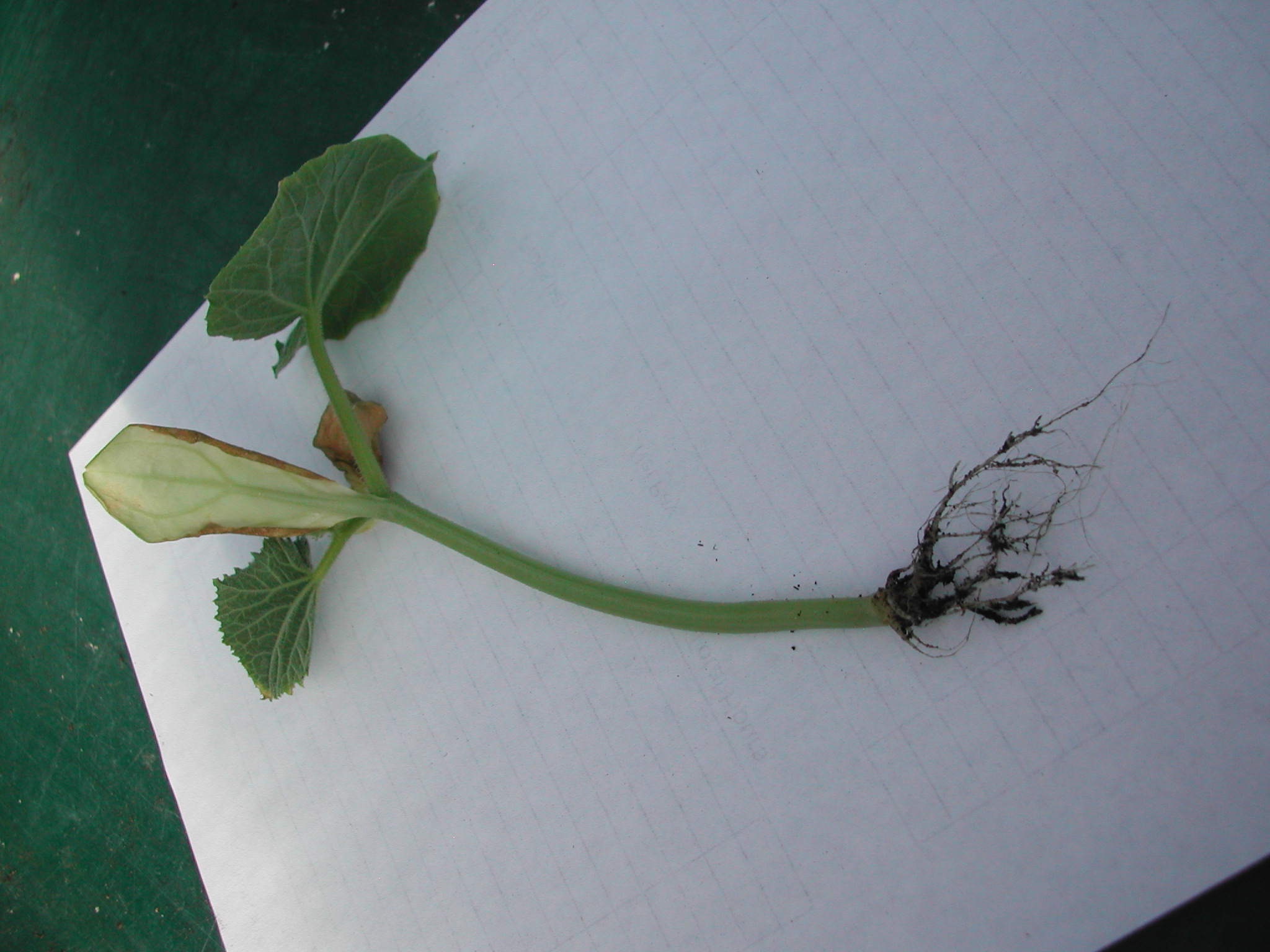
A failed cucumber start
out for help to the OSU Small Farms agent. My question and pictures of the plants and larvae were passed to the OSU plant clinic, where they quickly diagnosed the problem: root rot disease, a kind of damping off disease and/or fungus gnats. Wow. They were so fast to respond. I was very thankful to have access to this help. Though I had dealt with damping off disease before, it never looked like this and the fungus gnats were totally new to me. Though many of the cucumbers failed (especially the Lemon cucumbers), the ones that made it are thriving. I even picked the first few cucumbers today.
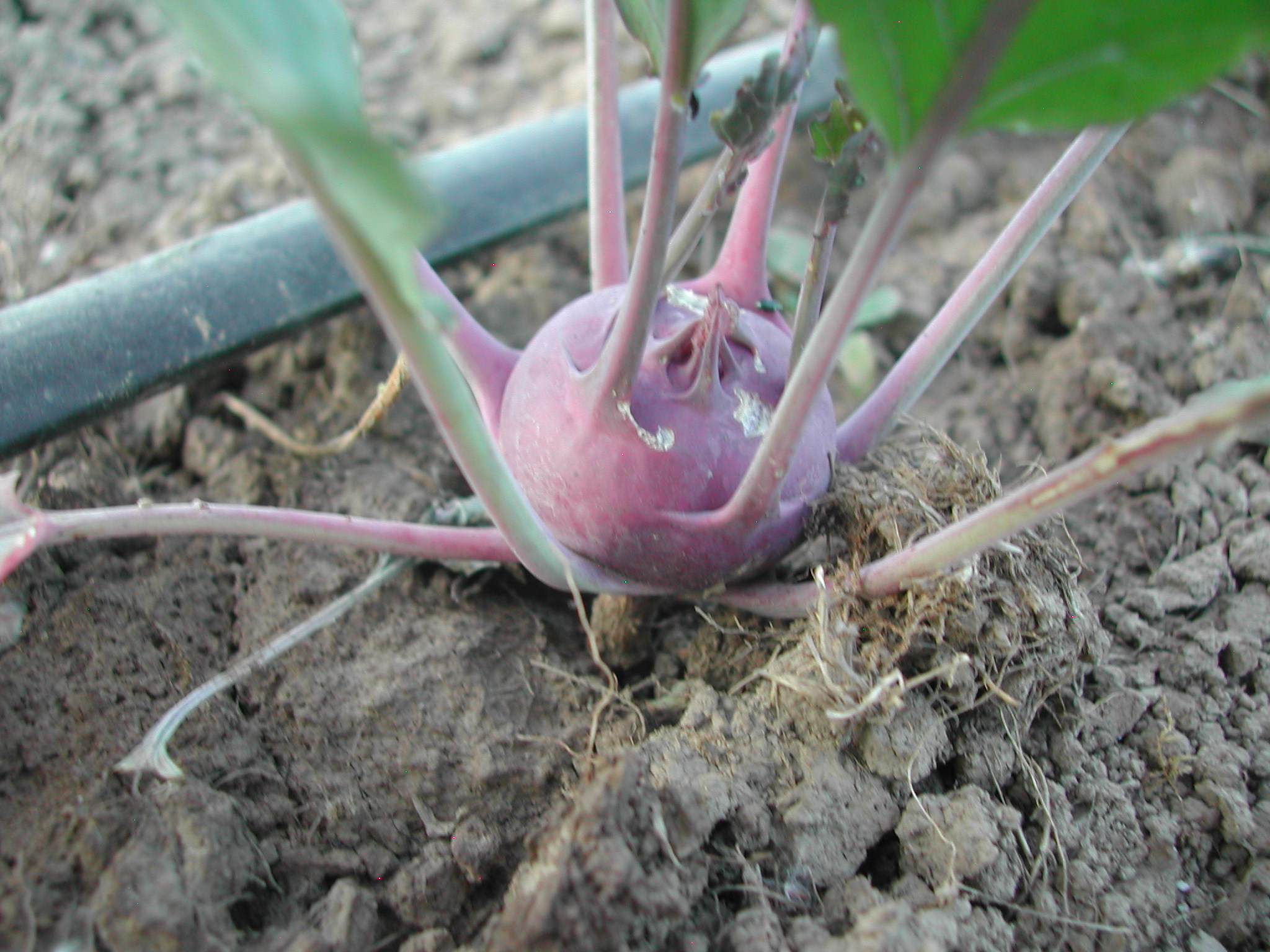
A stagnant kohlrabi.
The second mysterious challenge has been in one of our new fields, the first one we planted with the spring/early summer crops. I noticed that many of the plants were not thriving, but stagnant…no growth at all it seemed. Were they just taking a long time to adjust? To a degree, maybe, but it wasn’t all the plants, just some of them (a significant number) and those were mostly in one band across the field. What to do about this? I asked Steven’s dad if he would mind doing some soil tests. He took some samples and came back a few days later with some results: the nitrogen, phosphorous and potassium were all good in this field, but not the pH. The field had a low pH to begin with, when I had the soil tested back in March. We added lime to raise the pH. Now, with this second soil test, the pH was too high in the area with the most plant stagnation. When the pH of the soil is too high, plants have a harder time accessing many of the soils nutrients. In addition, we had less that ideal preparation of the field. We opened the field up this year and planted it before it was really ready.
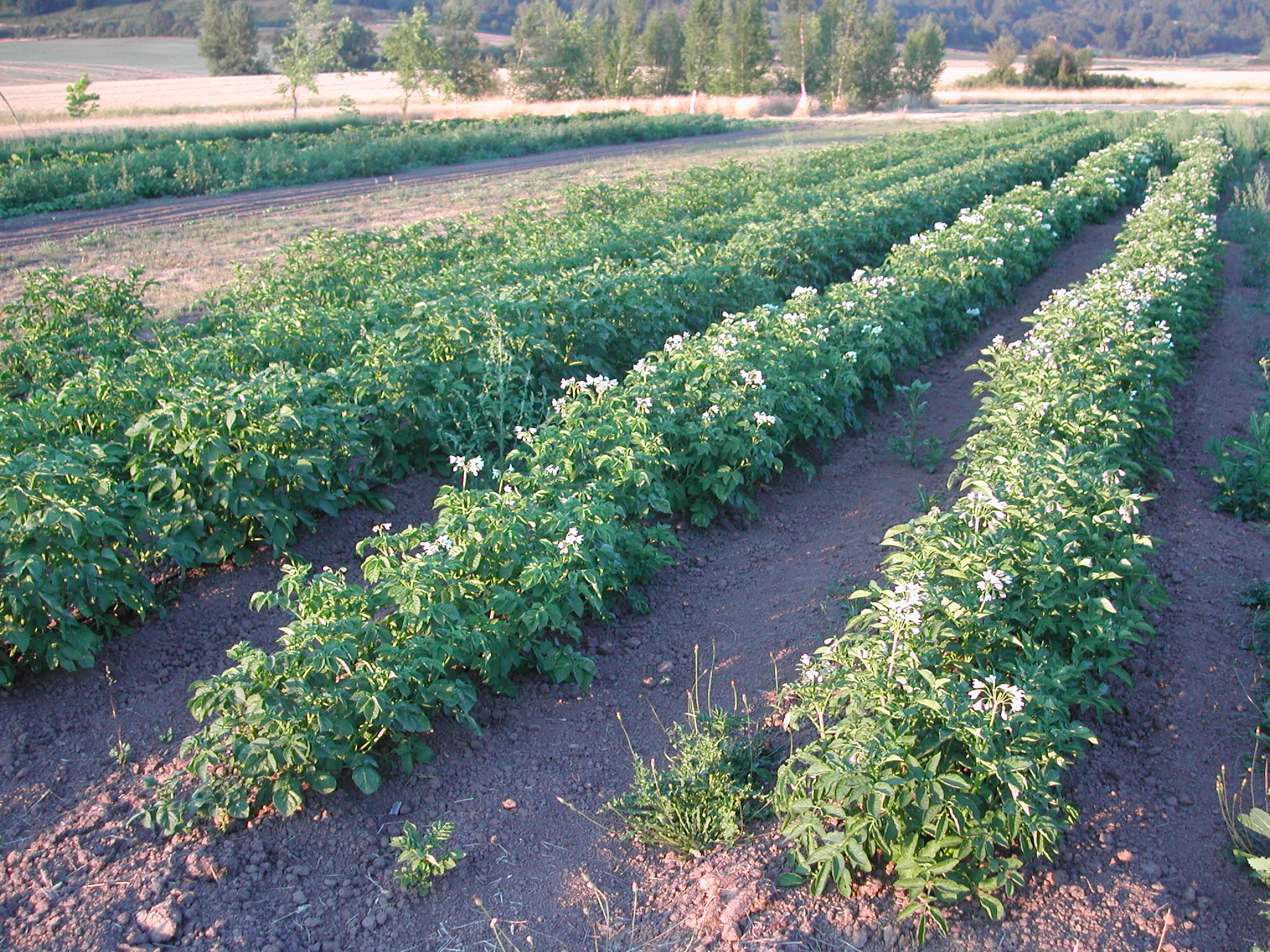
In the other summer field, the potatoes are looking good.
The plants are just not doing as well as they could or should. Though I can’t say for sure, my best guess is the combination of these two factors is the reason for the lack of growth. I have given the plants some nutrients more directly, in a foliar spray (fish fertilizer), which may help some. But, many of the crops are limited or lost for the season. Big bummer. Next year should be better for this field, after a fall and winter in cover crop. Luckily, we are moving into the summer vegetables and the other fields, which are all doing great.
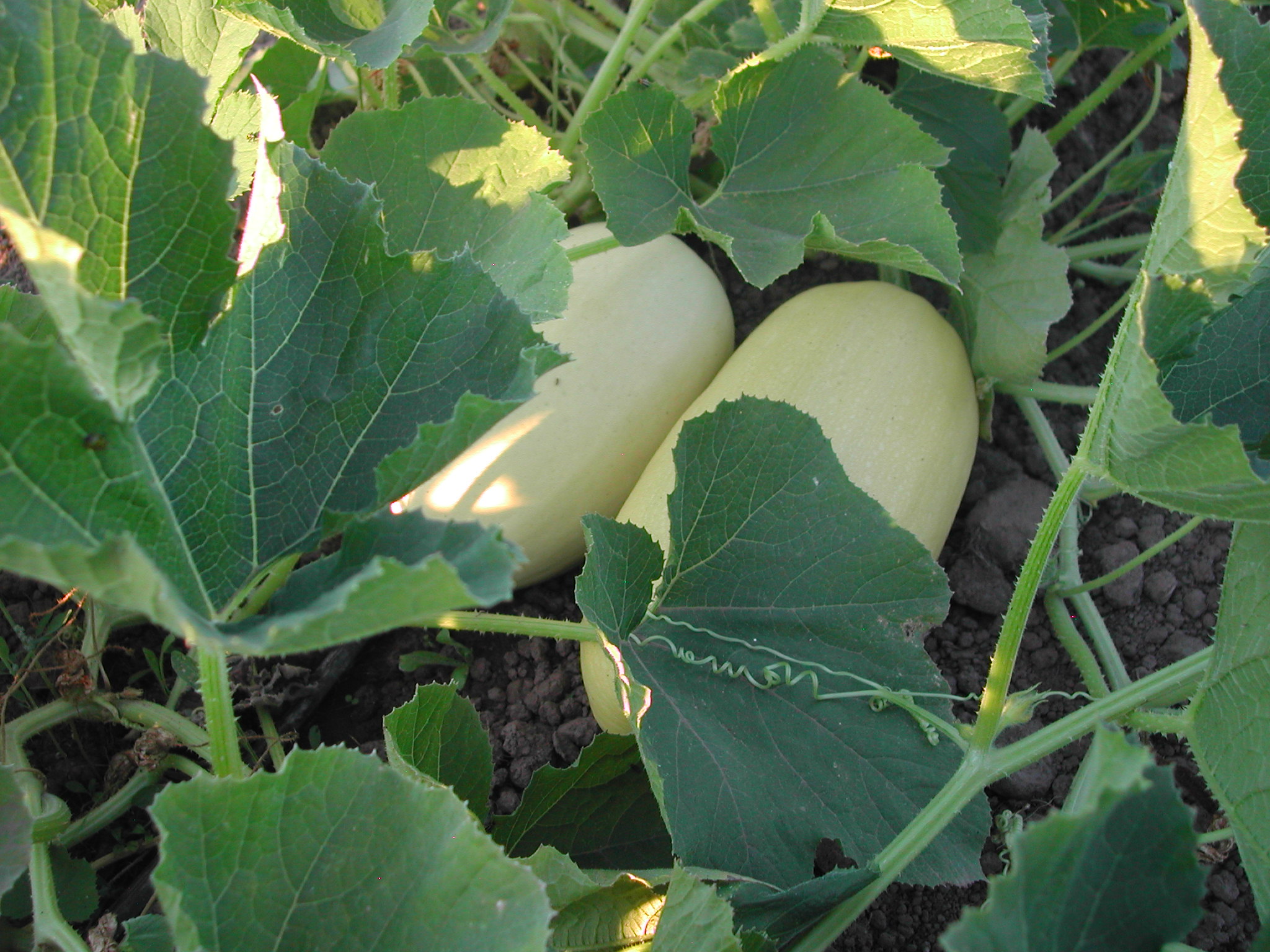
Spaghetti squash!

 Bethel Springs Farm