Irrigation Time

T-tape in action in the beans
I have been thinking about water lately. Did you notice that we haven’t had much rain in June? According to Accuweather, we have had less than half of the usual rainfall for June. Despite the excessive rain for the past several months, that means it is time to irrigate.
Because of the wet spring, I didn’t take the time to set up the drip irrigation lines in the beds before I planted. When there were a few dry days, we just got the beds ready and got things in the ground. I figured I could add the irrigation lines later. The second week of June I started setting them up in earnest. I never really thought about how quickly our soil drains. We do have quite a bit of silt and clay in our soil, but we also have areas with sand. And boy, does that drain fast. When the rain stopped, the water was gone pretty quick.
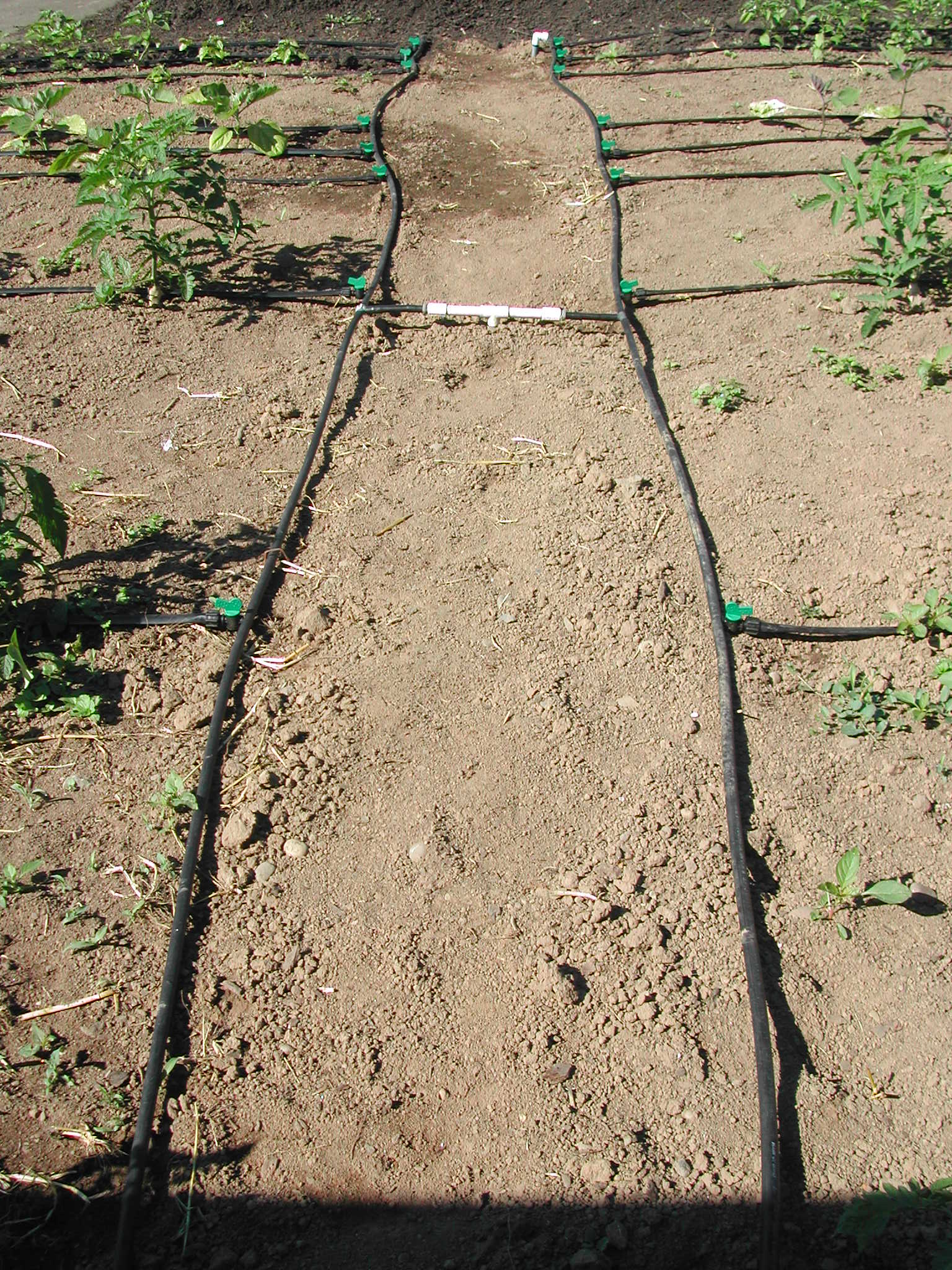 The “Orchard Field,” where the tomatoes, peppers and eggplant are this year, needed a whole new set up. Drip irrigation had been in place for the orchard, but we took out the above ground portion when we took out the orchard. Last year, I watered with a sprinkler (squash and beans). Tomatoes don’t like overhead water, so I knew I needed to put in T-tape for drip irrigation. Of course, I never got around to ordering what I needed until I needed it. So, last weekend, Steven and I finally put in the new lines. I was going to have it connect to a hose, but Steven figured out how to connect it to the underground, automated system the orchard had used. Brilliant. I am done watering by hand (which takes a lot of time), the tomatoes will get all the water they need, and I can set it up to run automatically. The new “Berry-Grape Field” also needed a new set up. It, too, had the underground water in place and, as with the orchard, we had taken out the above ground portion when we took out the berries. We hooked in to the water lines and set up T-tape, just in time. I planted that bed last week and only had to water with the sprinkler once.
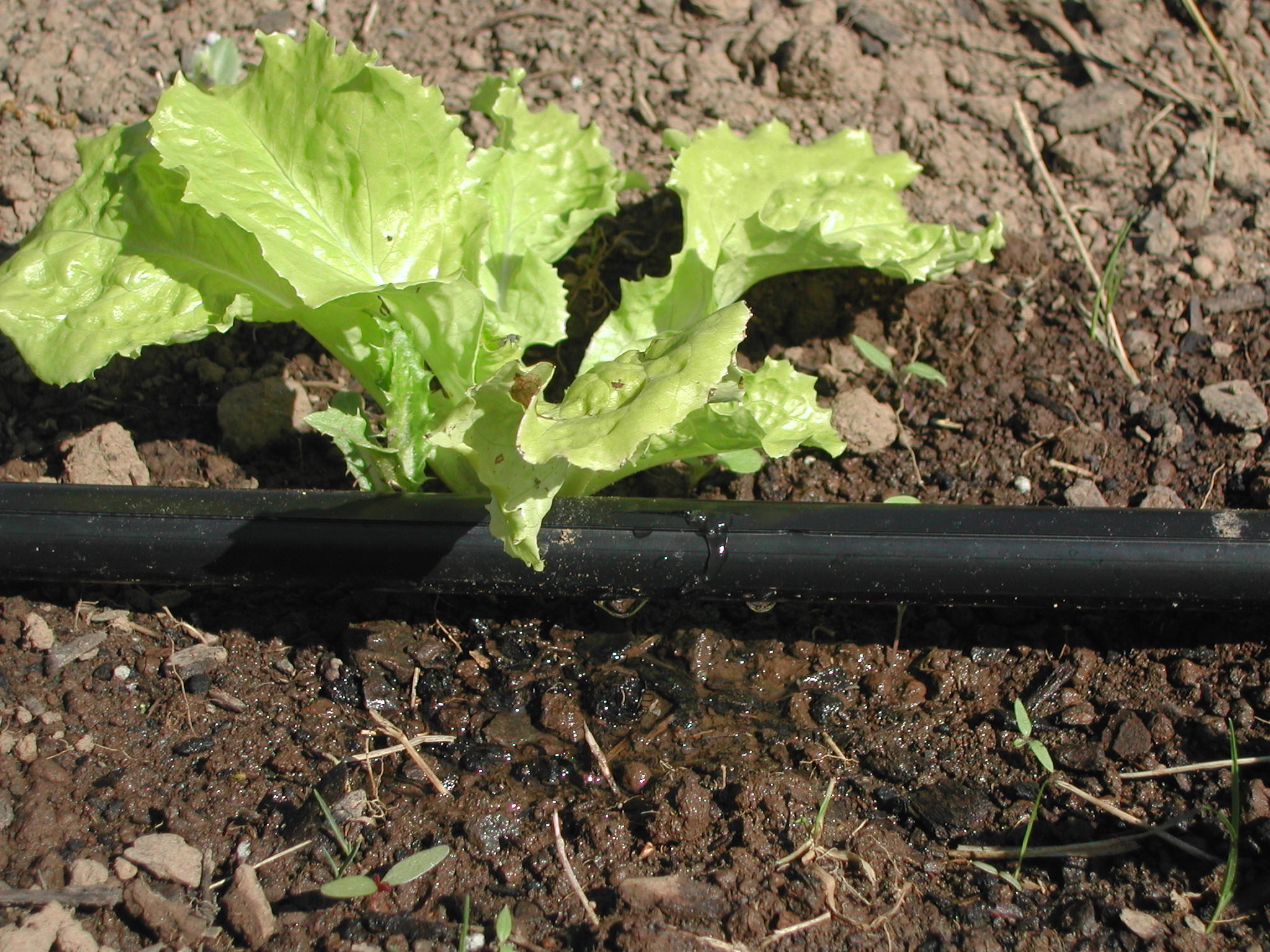
Future lettuce will get enough water
Unfortunately, I did notice a possible problem with getting the irrigation in late in the main vegetable beds. The second planting of lettuce has had quite a bit of tip burn. Tip burn, I discovered, is caused by a lack of calcium in the leaves. Water carries the calcium up into the leaves, and if the water is not moving through the leaves at a level that matches the leaf growth, there won’t be enough calcium available. It is possible, the plants were not getting enough water to get the needed calcium to the leaves. The next batches will have enough water.
I still have two more areas to set up new irrigation: the new blueberry field and the blackberries. The blueberries, of course, because it is a new planting and the blackberries, because I don’t think they have been getting adequate water with the system in place. Then, I will be set for water and I will think about something else. Maybe sun and heat?
Out With the Old, in With the New

A view of the garden: kale, bolting greens and tall fava beans, in front of the far hoop house
Despite the cool, wet spring and a summer that hasn’t quite arrived yet, the garden is making progress. Pretty good progress, I would say. Yes, it is still true that most things will be late this year, some because they just don’t grow that fast in the cooler weather and some because I have been late in planting, but the garden is growing and there is lots of food out there. Here is the update:

Italian Farmhouse fava beans: ready
The earliest greens are done for the summer (arugula, spinach, mizuna and the chicories: endive and escarole). Some other greens bolted too fast and never were available (bok choi and komatsuna). Hopefully, many of these will be back in the fall. The greens beds will be cleared soon to make way for more lettuce and carrots. Other spring things are in their prime and will continue for some time, like the kale, chard and peas. The first planting of snow peas is finished and I am now harvesting from the second planting. The snap peas take a bit longer, so I am still picking from the first planting of those. The lettuce is growing beautifully right now. This weather is really perfect for lettuce. And, of course, I am very excited about the fennel and kohlrabi, which are also beautiful…the best fennel I have ever grown and my first success with kohlrabi.

Garlic scapes: the flower stalk of the garlic plant
Early summer crops are starting to come on board. The fava beans and garlic scapes should be ready very soon and I spied the first zucchini yesterday. The later summer, long season, heat loving plants are where the most uncertainty lies. I planted tons of tomatoes, peppers and eggplant this year, in hopes of a good harvest. I think they are in a happy place: between a fence and driveway, where our apple orchard used to be. It probably gets the most hours of sunlight in the whole garden and holds the heat well. I am keeping my fingers crossed. And finally, beans! After last year’s dismal bean harvest, I have planted lots of those, too. Unfortunately, they were one of those things planted late (just this week) and I’ll be watching closely to see if they germinate well this year.
I love the dilemma I have in the kitchen now, when I am deciding what to make for dinner: there are so many things ready in the garden, what should I eat tonight?
Chips

Kale chips
I like potato chips. I think it is the oil and salt. Even though they are made from vegetables, I have to admit, they are not a very healthy snack. Because of this, I don’t buy them to eat at home, at least, not very often. If they are offered to me someplace else, I will not turn them down, even though I don’t feel that great afterwards. So I have been on the look out for another, healthier snack that fills that craving for salt. A few years ago, I heard about drying zucchini slices. I gave it a try: thinly sliced zucchini, sprinkled with salt and dried in a dehydrator. I made enough to fill a couple gallon sized bags . . . I still have a couple gallon sized bags of them in the freezer. I also heard about kale chips. This week, I finally gave them a try.

I cut the kale up this time. Next time, I'll try whole leaves.
There are lots of recipes for kale chips on the web. Basically, you take the kale, wash it, drizzle or toss it with olive oil, sprinkle salt and bake them in the oven until they are crisp. Not too much to it. And you know what? They are actually pretty good. I used all three varieties of kale that I have right now (Lacinato, Lacinato Rainbow and Red Russian) and I thought the Lacinato Rainbow was the best in this form. Here is a link to the recipe I based my chips on, at Smitten Kitchen.
Kale chips: my new potato chip.
Working Vacation

The new blueberry field in the front yard
Steven took last week off work to finish up a few projects out in the garden. One started last summer and finally was finished last week: a new blueberry field . We had 8 blueberry bushes behind the hoop houses, between the grapes and blackberries. We decided to move the blueberries to the front yard (we never took good care of the lawn there anyway). Last summer, Steven’s dad turned the grass under, Jonas, our nephew, dug out some shrubs, Steven dug out the old irrigation system and we put it in cover crop (buckwheat) for the rest of the year.

One of the new blueberry plants
This spring, I bought 40 new blueberry plants. We planted the last five last week and mulched it all with bark. There won’t be any blueberries on the new plants this year (I took off all the blossoms), but if we can keep the birds out, we should have a nice crop of blueberries in a few years.

One of the old blueberries, transplanted to the new field
The next project was to turn the old blueberry field into a new vegetable field. We moved the blueberries to the new field, where they seem to be doing well. (Here I am grateful for the cool spring, since we moved them later than was good for them.) I dug, divided and moved the rhubarb to a new location and Steven turned over some lawn to square up the field. Then, we did some major weeding and pulled out a few other berries. Steven tilled it all up and today I got a big pile of compost to add in. Hopefully, this weekend, we’ll get the compost in and I’ll start planting beans out there next week!
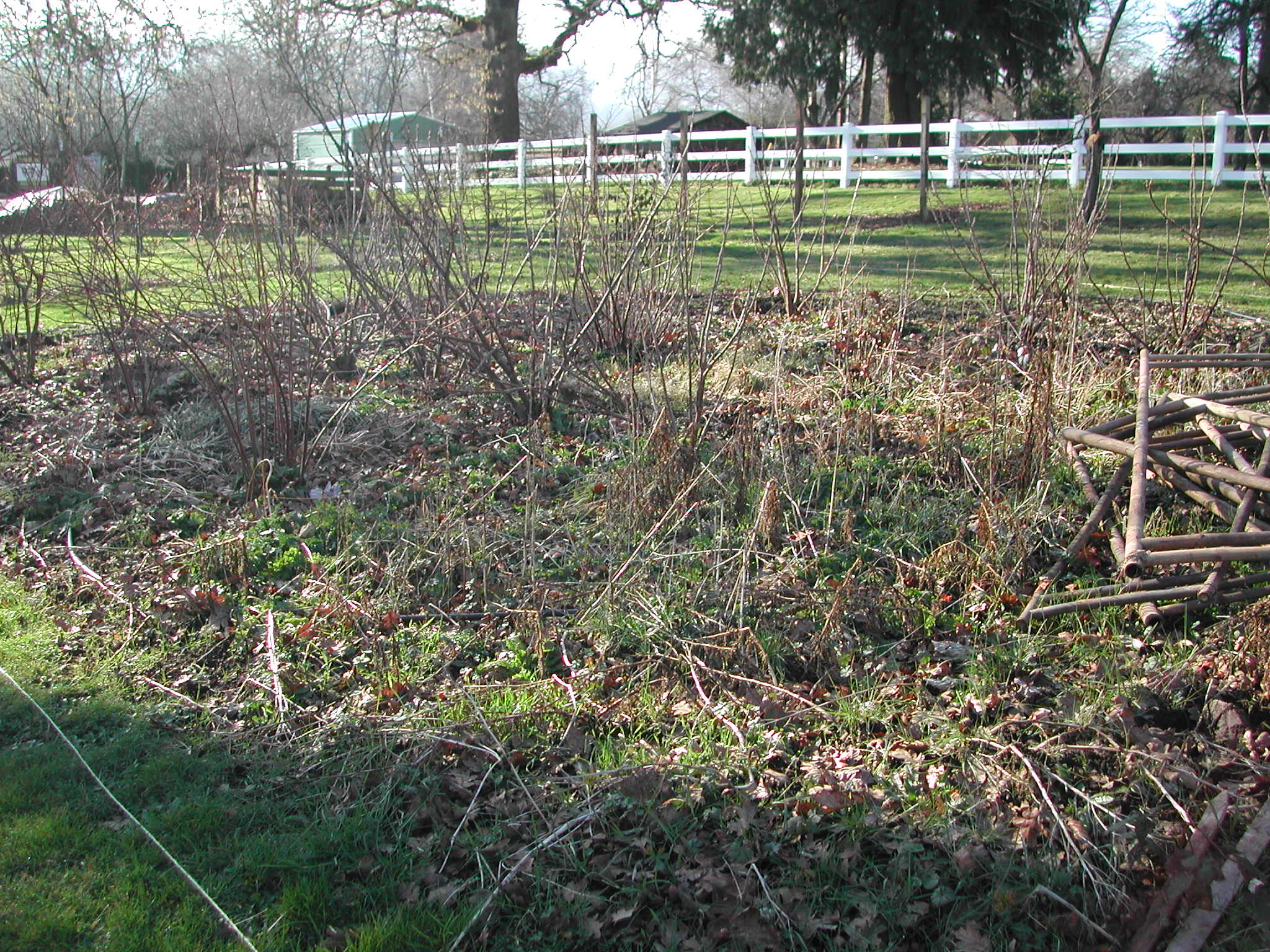
The old blueberry field in late winter

The new vegetable field
Ready to Harvest
The first vegetable delivery will be on June 6th this year. I have already picked some snow peas for our dinner and a few other things are ready to go. It has been a slow spring, with this first delivery coming three weeks later than I had planned. I am a bit nervous about having enough, since we have not yet had the explosion of growth that comes as the weather warms up, but I’ll give it a try. Here are a few pictures of what is ready to eat this week:
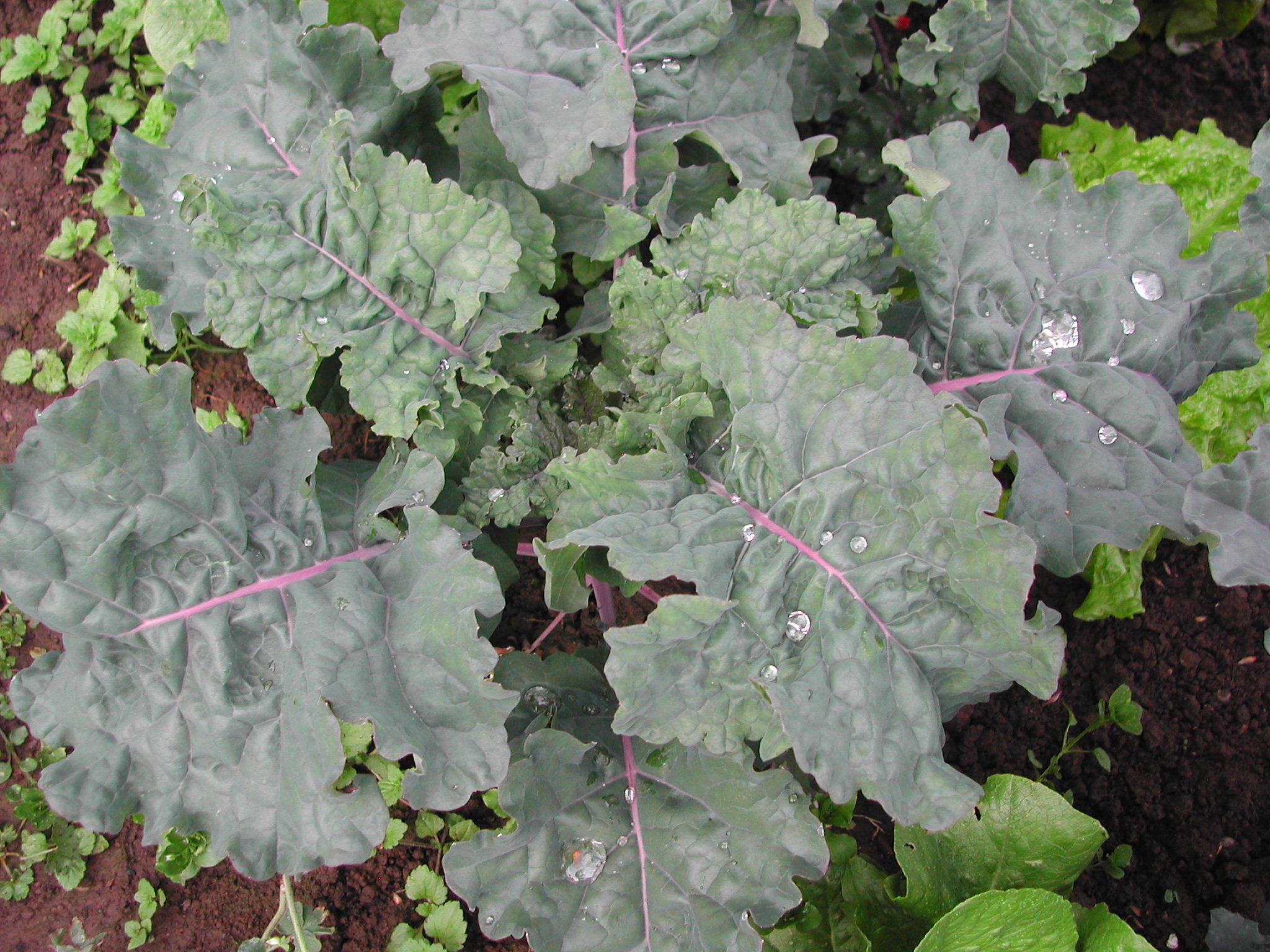
Lacinato Rainbow Kale (Lacinato and Red Russian, too, just not pictured)

Matador Spinach

Long Standing Bloomsdale Spinach
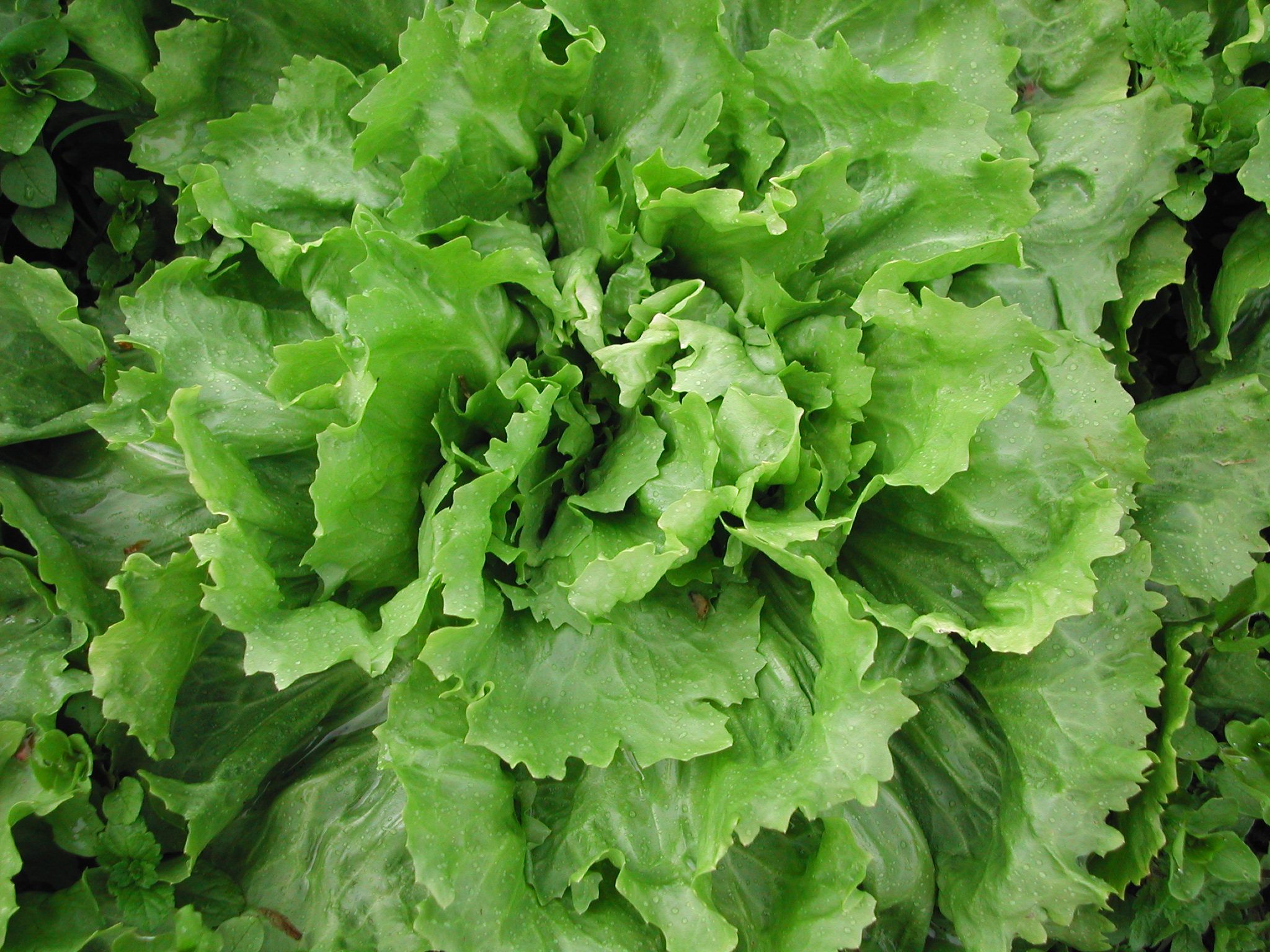
Batavian Full Heart Escarole
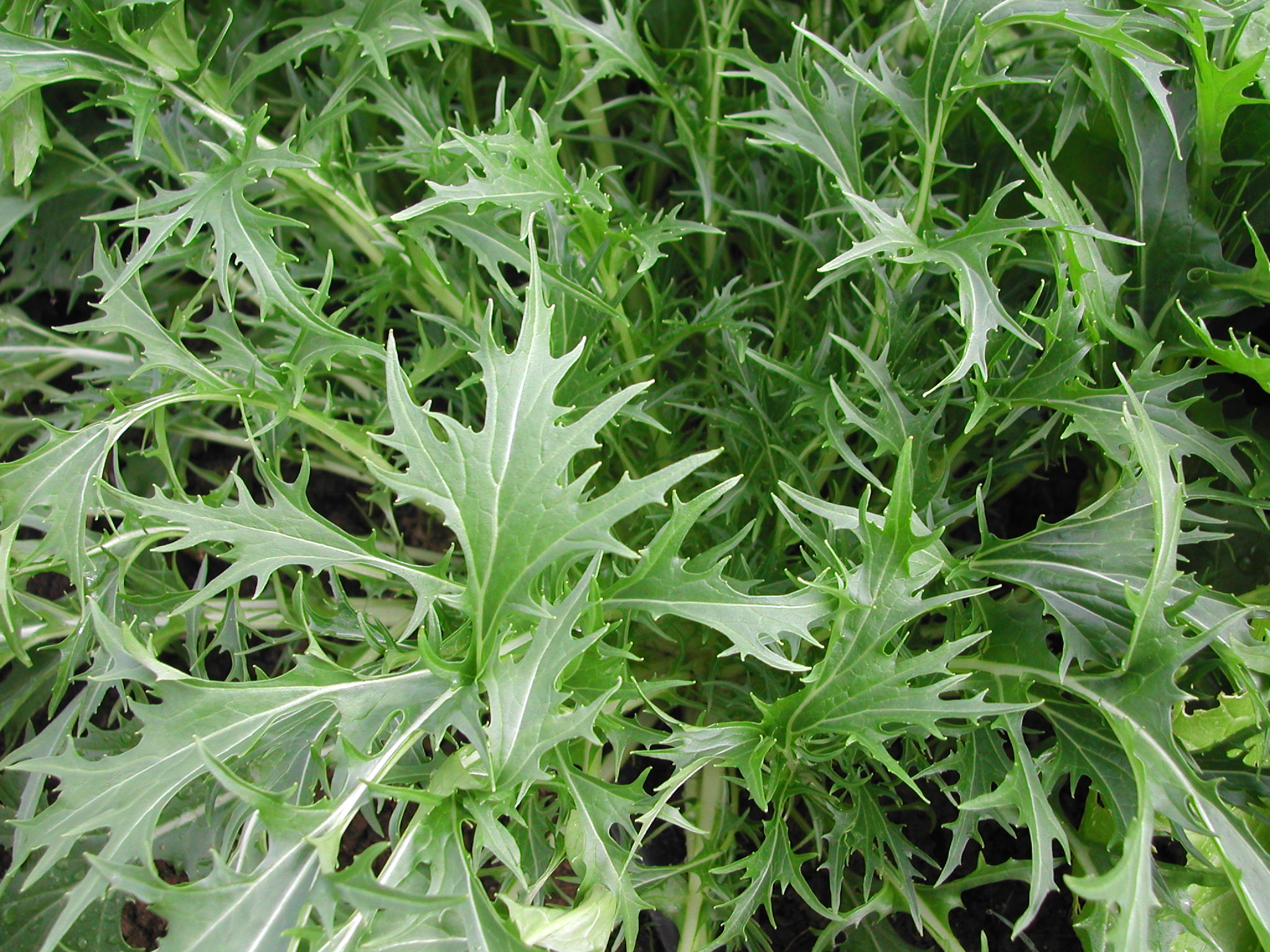
Mizuna
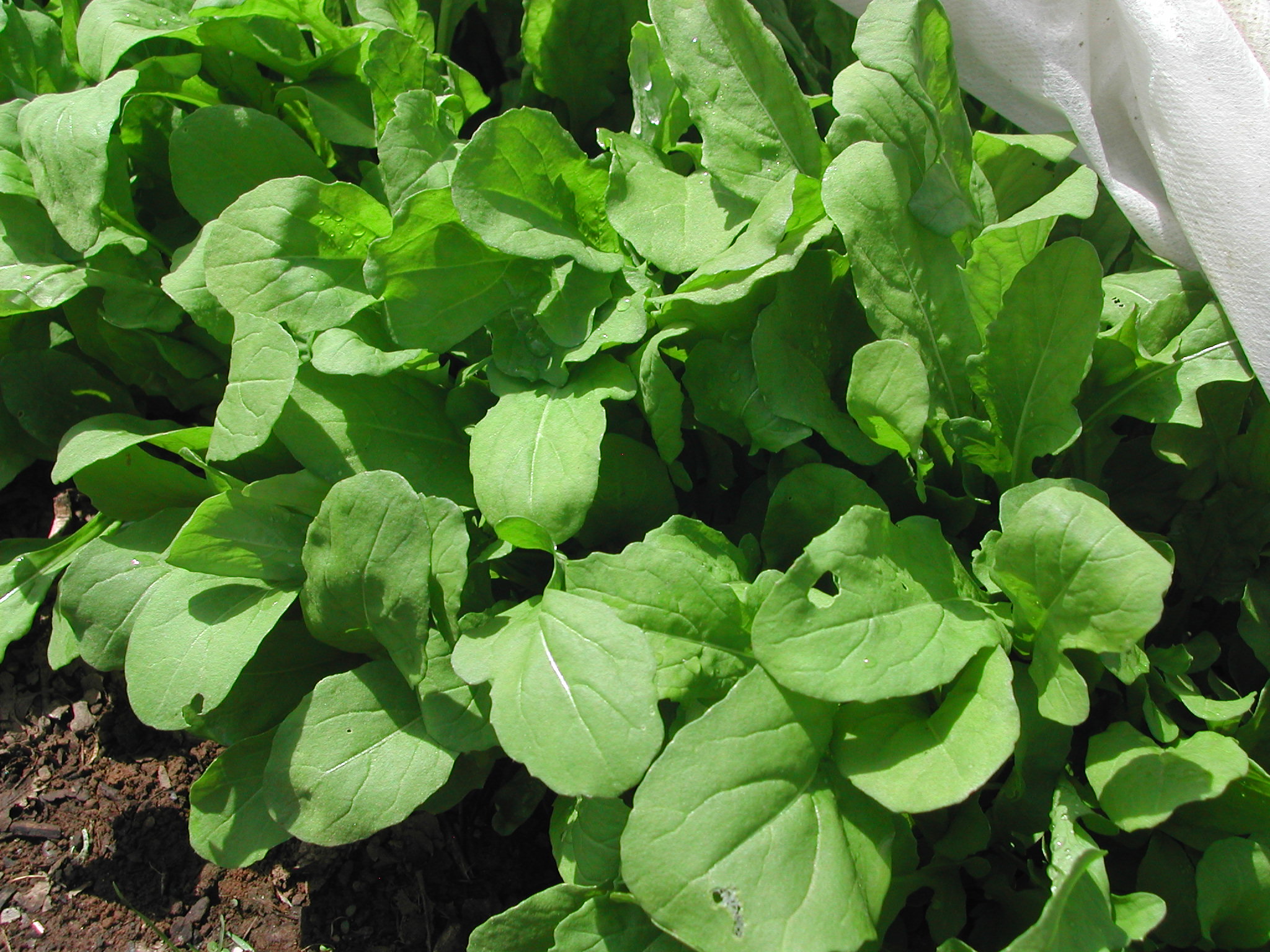
Arugula
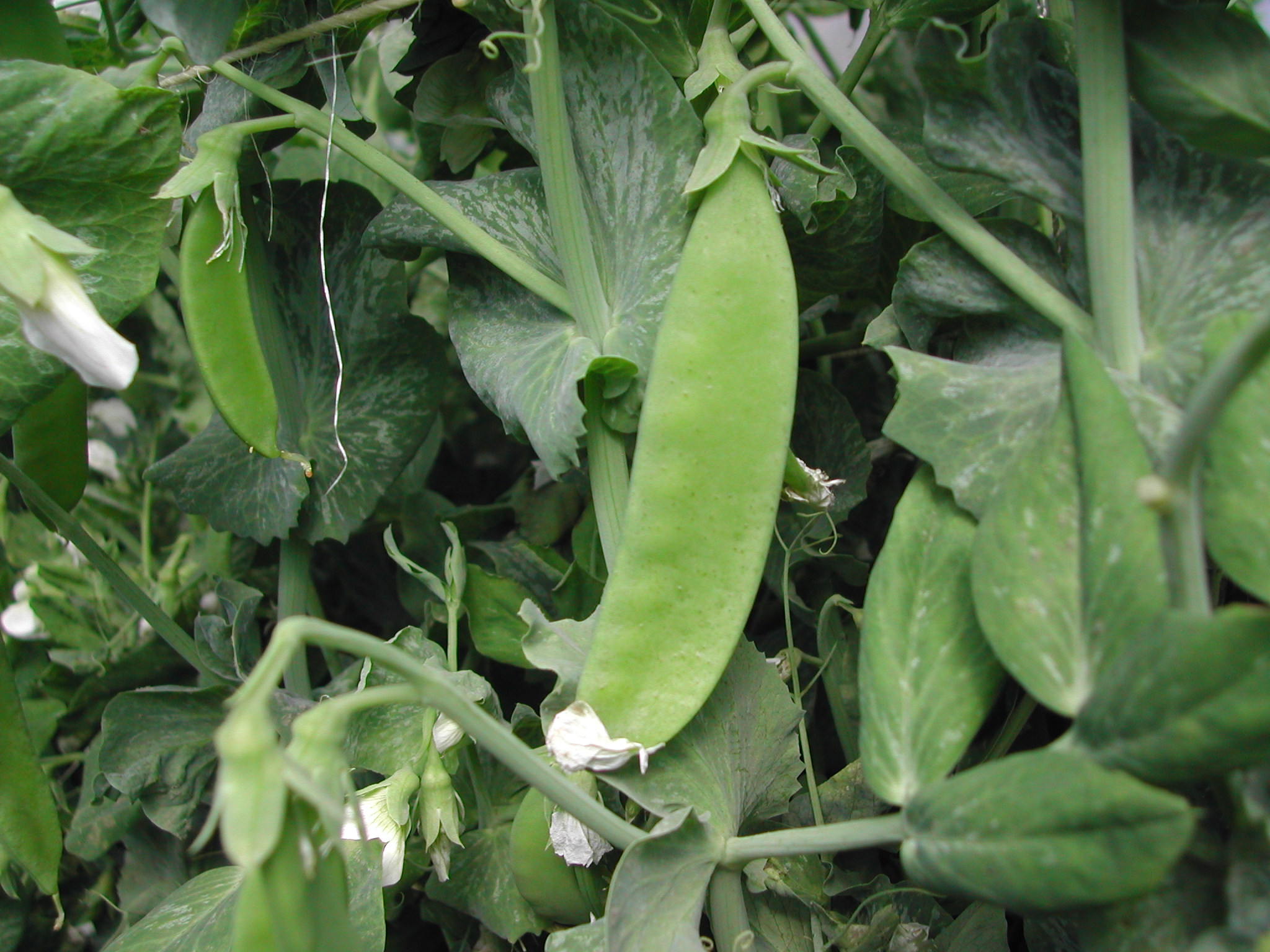
Oregon Sugar Pod II Snow Peas
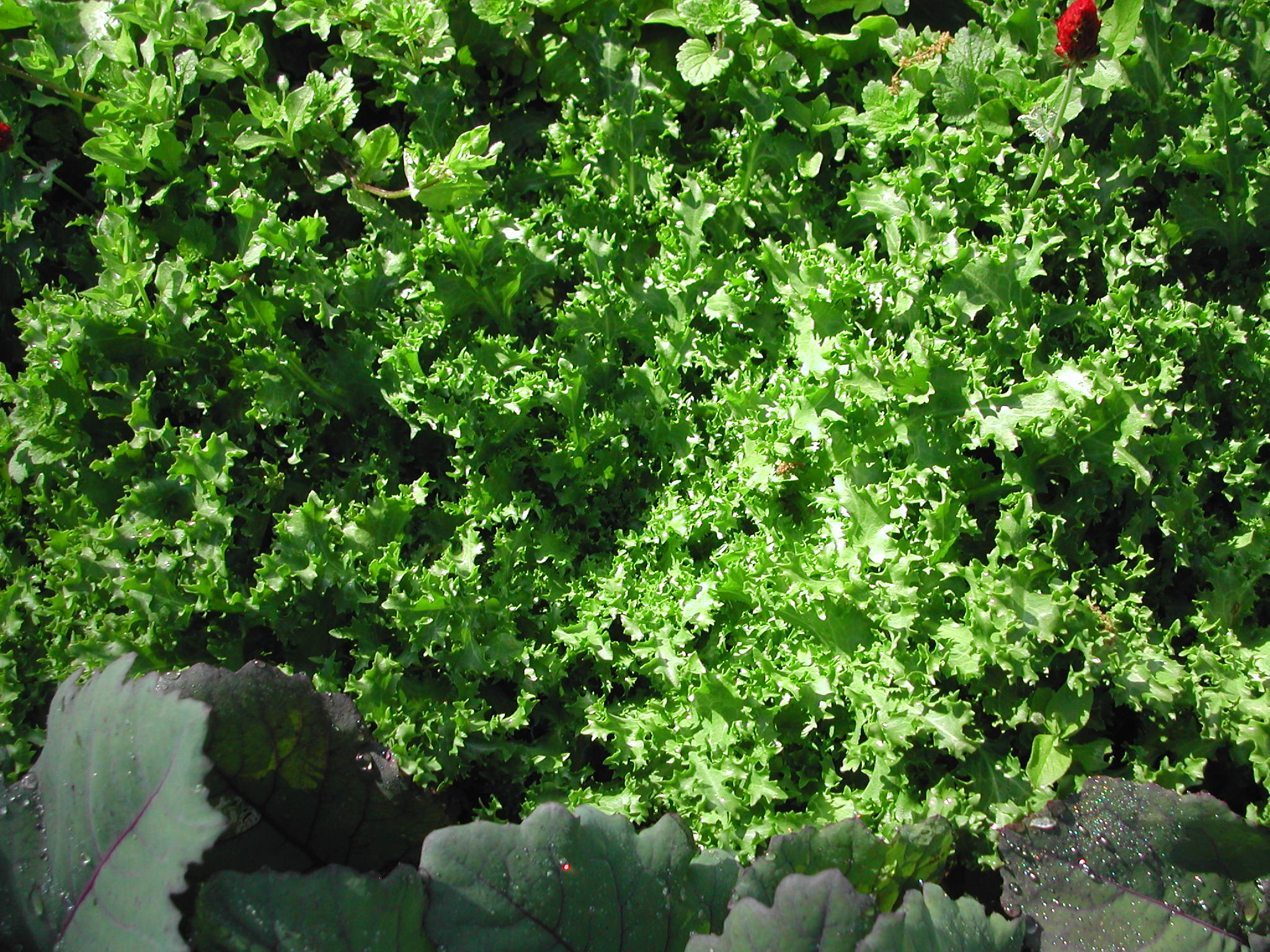
Bellesque Endive
Sun

Spaghetti squash, coming this fall
Yipee for dry, sunny days! It has been glorious the past few days and there may even be a few more beautiful days ahead. I got my first sunburn of the season on my forearms, outside in a short sleeve t-shirt for the first time in a long, long time. This week the warm season crops are starting to go out. Steven and I got the squash bed ready for planting last weekend, and the summer and winter squash went in this week (cucumbers will come later). I planted lots of squash this year. It may be the last time I plant so much. I have been using part of the orchard space for vegetables while the apples are gone. Next year, the apple trees will go back in, so I will need to cut back on vegetables. Winter squash take up a lot of room for the whole season, so I will be asking you about your favorite winter squash this fall, as I plan for limited space.
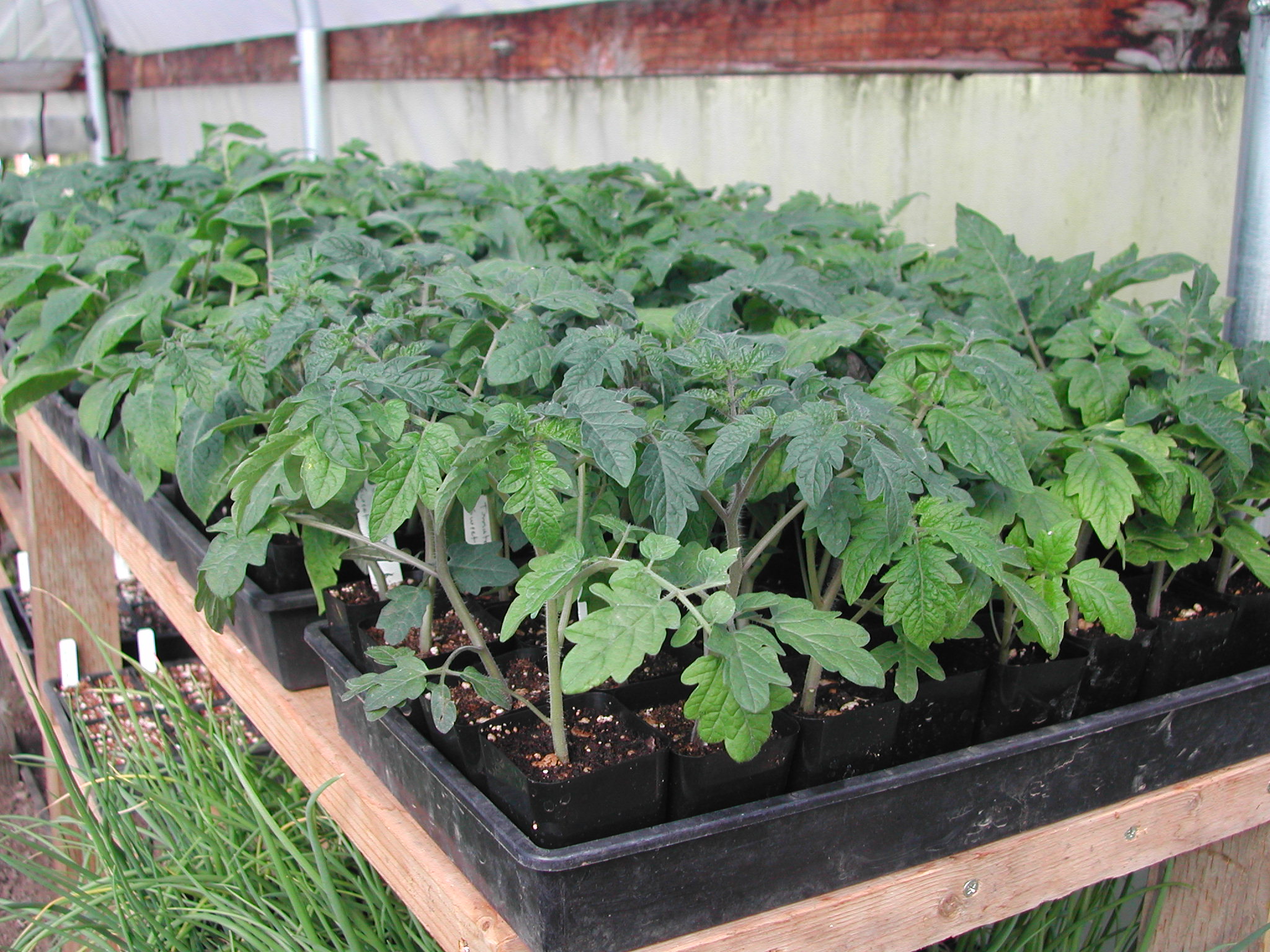
Tomotoes: out of the basement, into the hoop house
The tomatoes went out to the hoop house this week. Their bed is not quite ready and they need a little more time to grow before they go out. I started them late this year, though I am not sure how that happened. They struggled for a bit, until I started a second batch of seeds. Of course, then they picked up and are looking good now, just a bit behind.
Hooray for sun!
April Showers Bring….Weeds
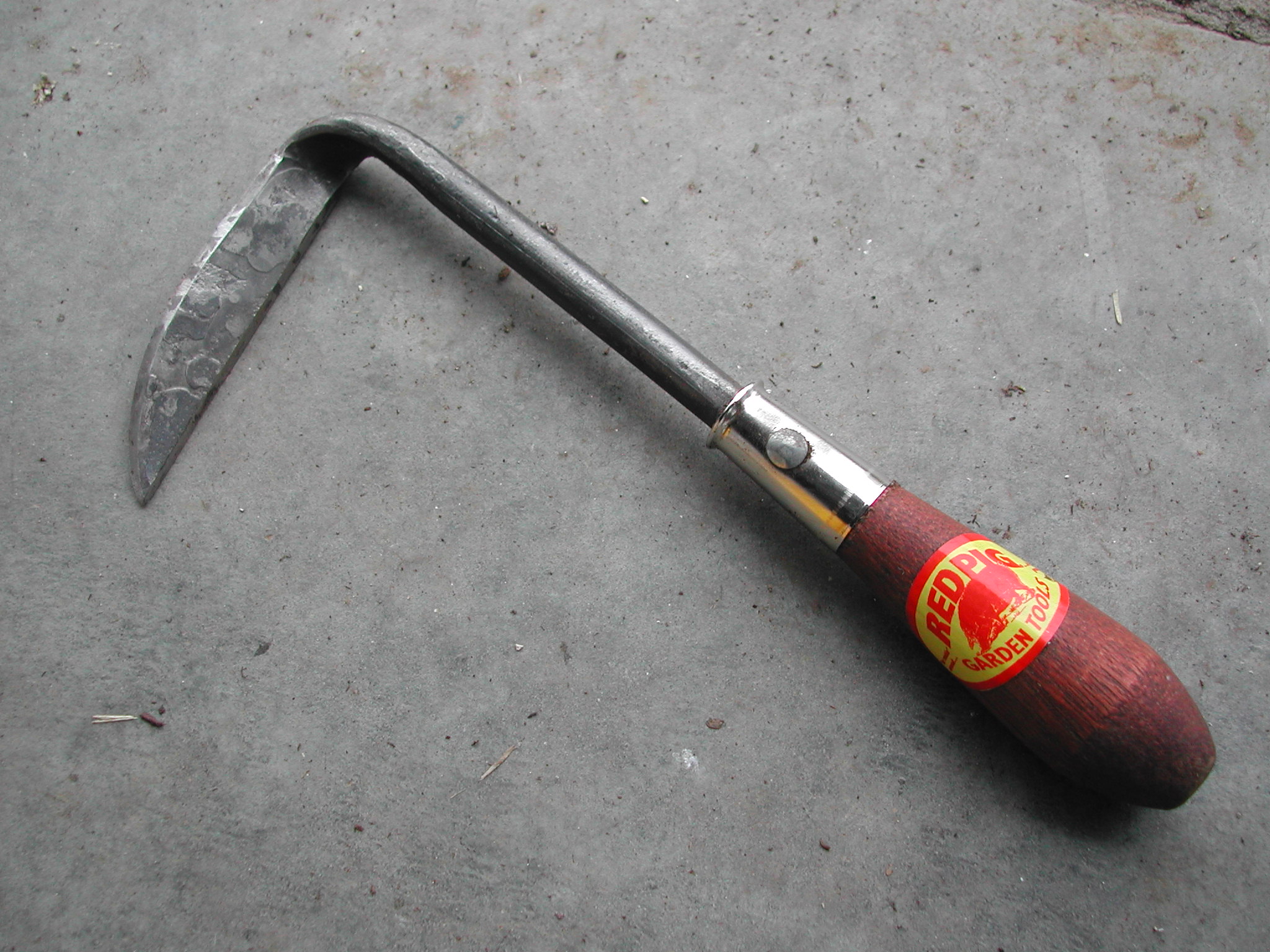
The Cape Cod weeder from Red Pig Garden Tools
Two weeks ago, I went to the last class I signed up for through the City of Portland’s Urban Growth Bounty series: All About Tools. I wanted to learn how to maintain my tools (clean, sharpen) and to find sources for really good, solid, sturdy tools. A two hour class really is not enough time to learn all about tools, but I did come away with enough information to get started.
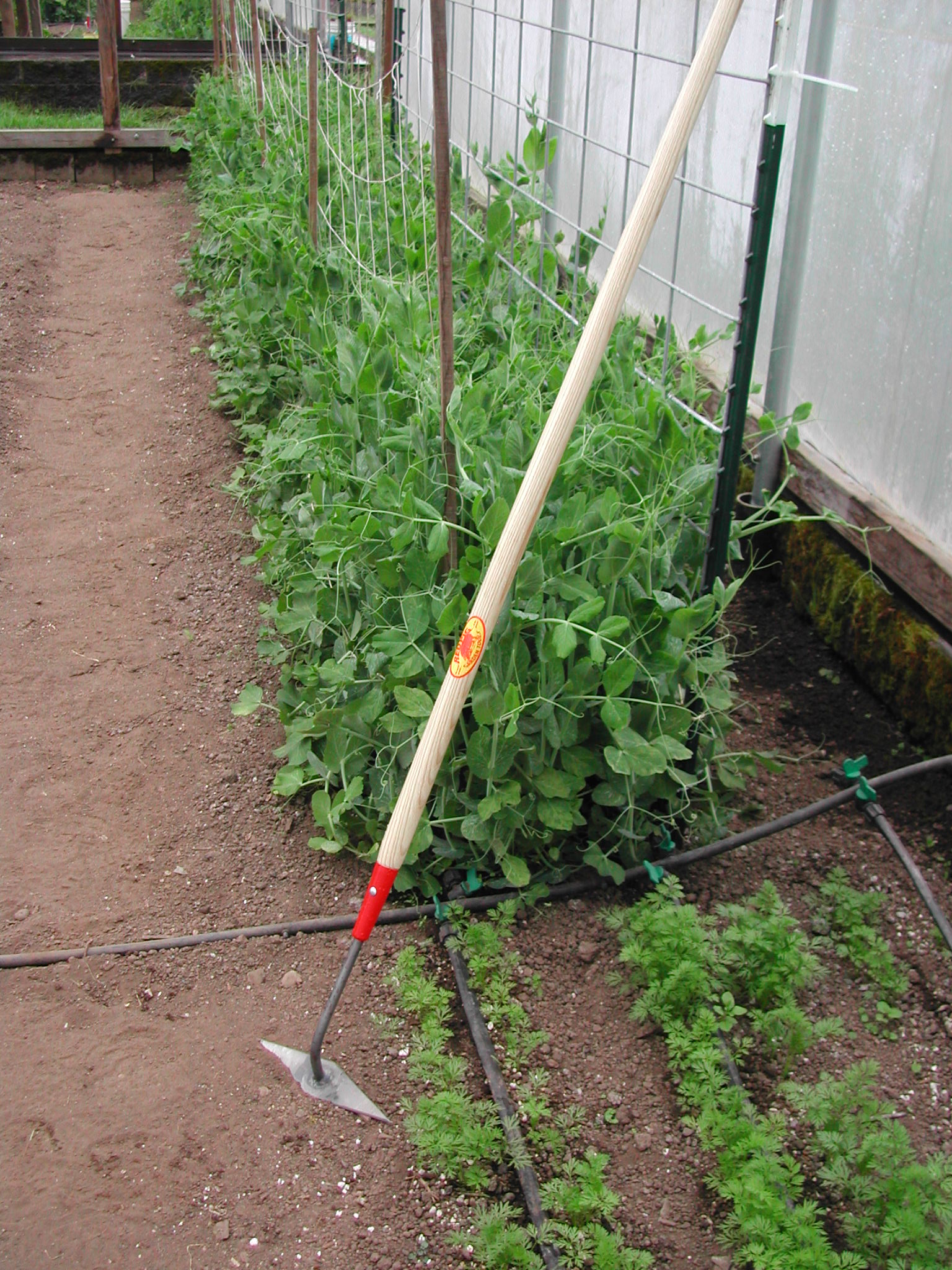
The long-handled diamond scuffle hoe, next to the freshly weeded peas and carrots
The one source of tools the instructor recommended was Red Pig Garden Tools out in Boring, Oregon. I had heard of Red Pig Tools before and had also heard that they were pretty expensive tools, though worth the money. I knew it would be some time before I would take a trip out to their store, so it was quite serendipitous when I saw their booth at the Spring Garden Fair in Canby a few days later. Very impressive; these are sturdy, handmade tools, made to work well and to last. And they were not as expensive as I was expecting. I left with two new weeding tools, a long-handled diamond scuffle hoe and a Cape Cod weeder, and the idea that I will be visiting their store in the future.
The tools, of course, lead to the weeds. April showers may bring May flowers, but for sure they bring weeds. Weeds have been difficult for me, for a few reasons. One is the way I plant: putting things very close together. The result of this is, most tools are too big to fit between the plants and I need to weed by hand. Once plants get big enough, they can shade out or out compete the weeds and it isn’t so bad. But this time of year, the weeds grow faster than the plants and it is easy for them to take over. Then, weeding is time consuming. I spent quite a bit of time last week weeding carrots and peas, very carefully, by hand. Fortunately, now that that initial weeding is done, there shouldn’t be much of a problem in those beds.

New sharpening tools
Another reason weeding is difficult for me is because I still think like a gardener. I like things to look good. I like to work by hand. I need to let that go and let the farmer come out. The weeds can die just as easily in the bed as in the compost bin, though it doesn’t look as beautiful as I would like it to. I need to learn to use faster weeding tools, like scuffle hoes with long handles, figure out which ones will work best for the plant spacing I use and decide where I will still need to weed by hand. I also just need to get after the weeds sooner, while they are small and can be taken out with a scuffle hoe.
The weeds will grow and I will not give up. Now that I have some shiny new tools, I am looking forward to the challenge.
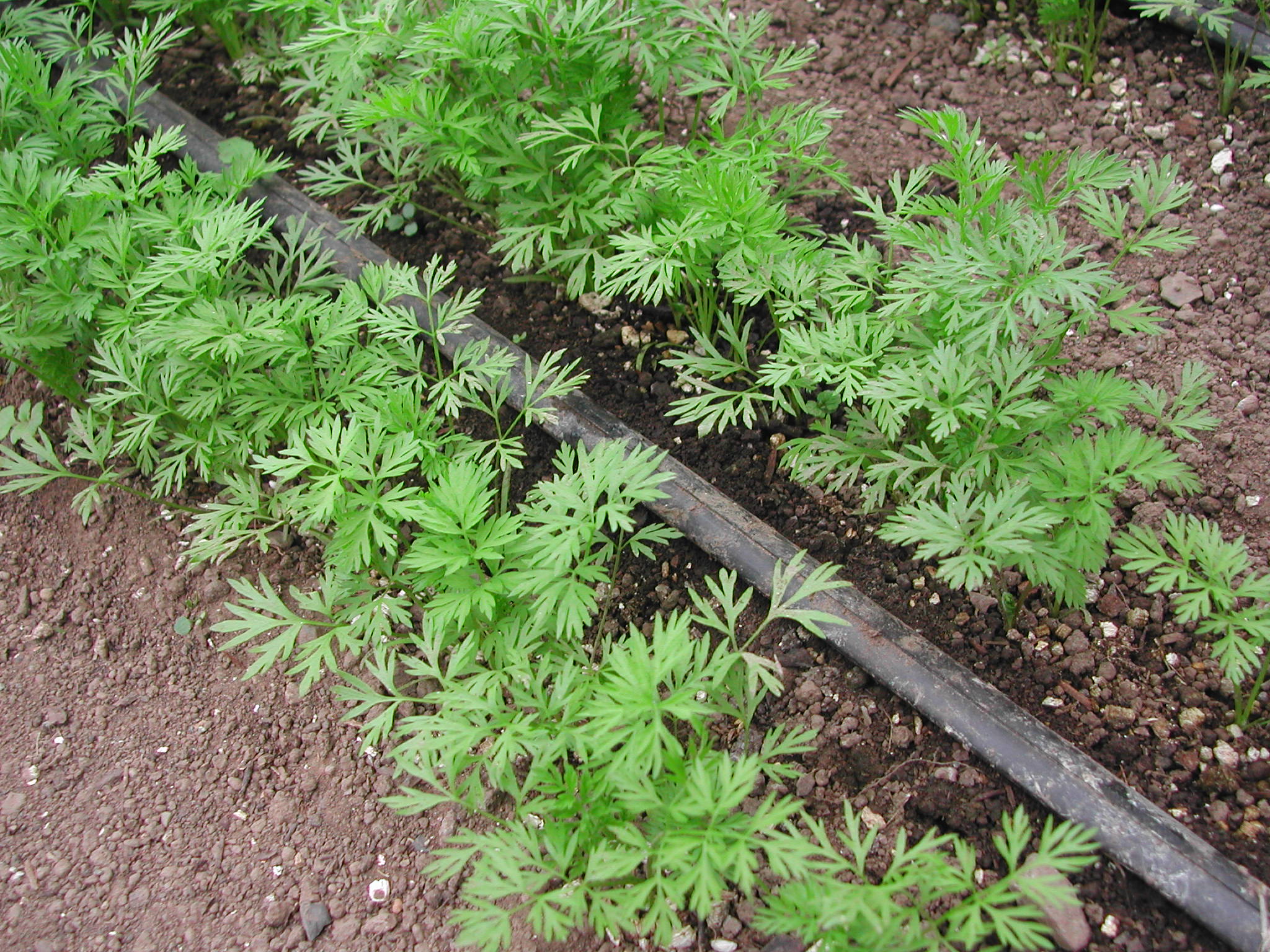
Now that the carrots are weeded, they are ready to thin.
Planting, Planting, Planting

Fennel, green onions, and a little chard, way in the back
Here is the list: kale, lettuce, cabbage, broccoli, chard, green onions, fennel, escarole, endive, kohlrabi, and carrots. These all got planted out in the beds last week. In fact, I almost got caught up on the planting schedule. Pretty much everything has gotten into the ground late, usually by one or two weeks. I still have a few more things to plant, then hopefully, most everything else will be on time.

kholrabi
April weather hasn’t been great, but it certainly has been better than March. At least between days of rain, there have been two or three day stretches of dry weather and a few days of pure sun. Our glorious day last Saturday was pretty busy out here on Sauvie Island. There were lots of big tractors and other farm equipment on the roads, getting from one field to another, until dark. We spent the day the same way, not on the roads, but working the soil, giving the next two “fields” their first tilling. April still has had higher than average rainfall. By today’s Oregonian weather report, we have had just about twice the average rainfall to date for the month. I am betting we will finish April that way.
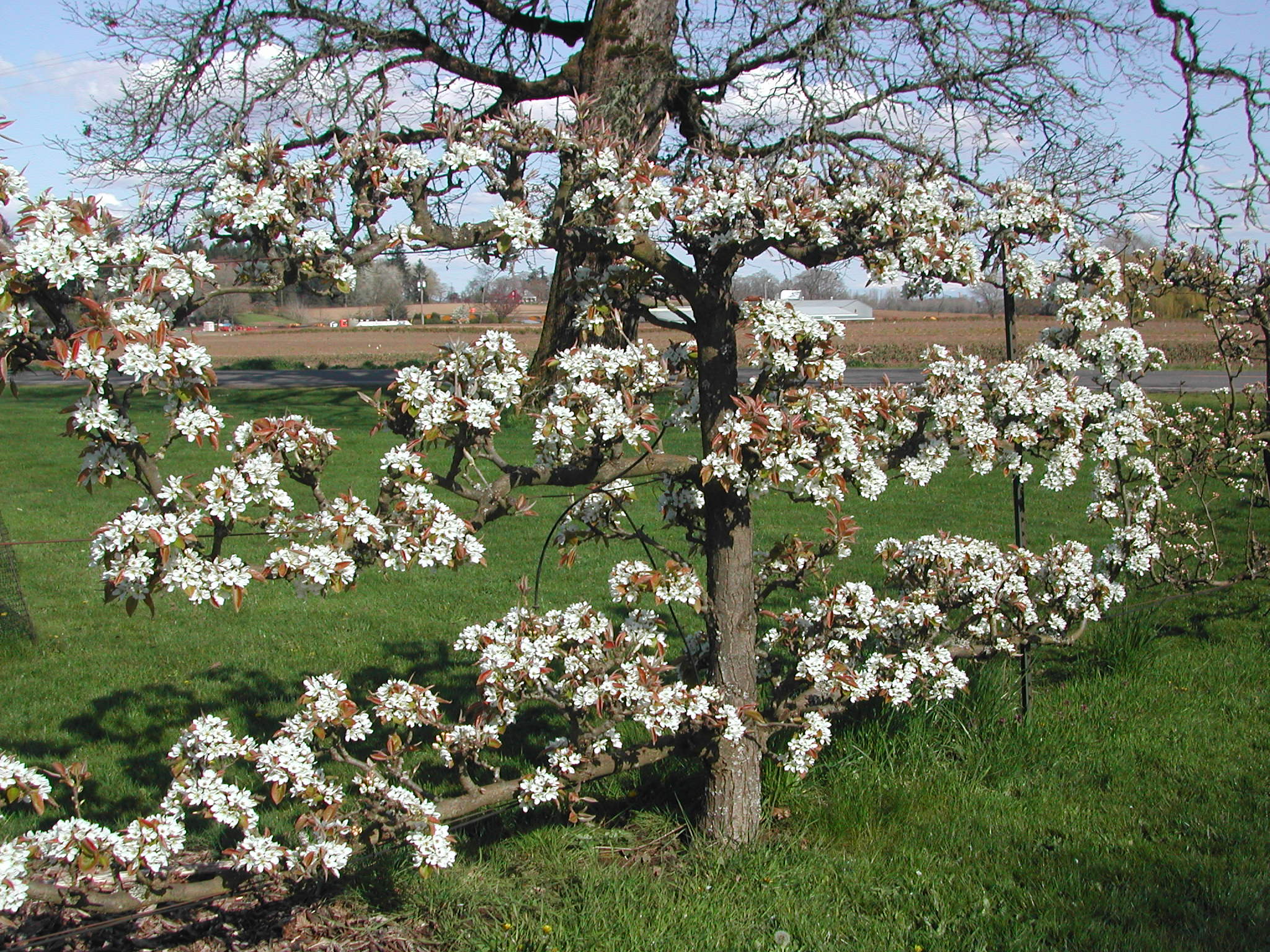
Asian pear in full bloom last week
The Asian pears hit their full bloom last week. This week it is the Bartlett pears, cherries and Italian Prune. The trees are full of blossoms, and I am hoping our few days of sun and a little warmer temperatures will be enough to get the flowers pollinated for a good fruit set.
A few more days with rain are in the forecast and then, another short stretch of dry days. It may not be enough, but I’ll take it.

Next bunch of lettuce starts, ready to plant out
Blue Sky
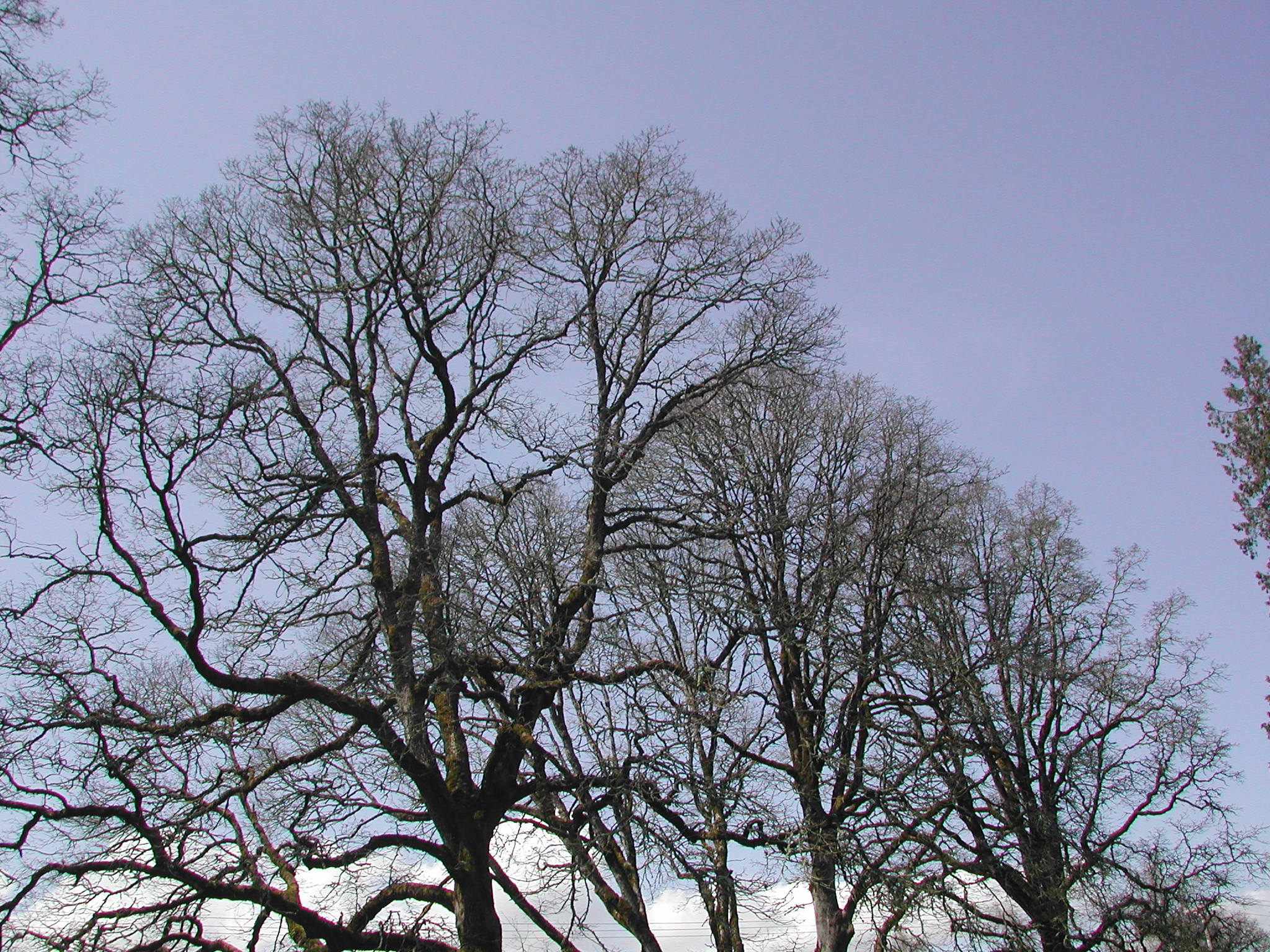
Beautiful, beautiful blue sky
It is amazing what a blue sky can do for the spirit, especially after the March we had this year. Did you see the article in The Oregonian on Saturday? About how many clear days we have had this year, especially in March? Yep, that would be zero clear days in March. But, April is looking a little better.
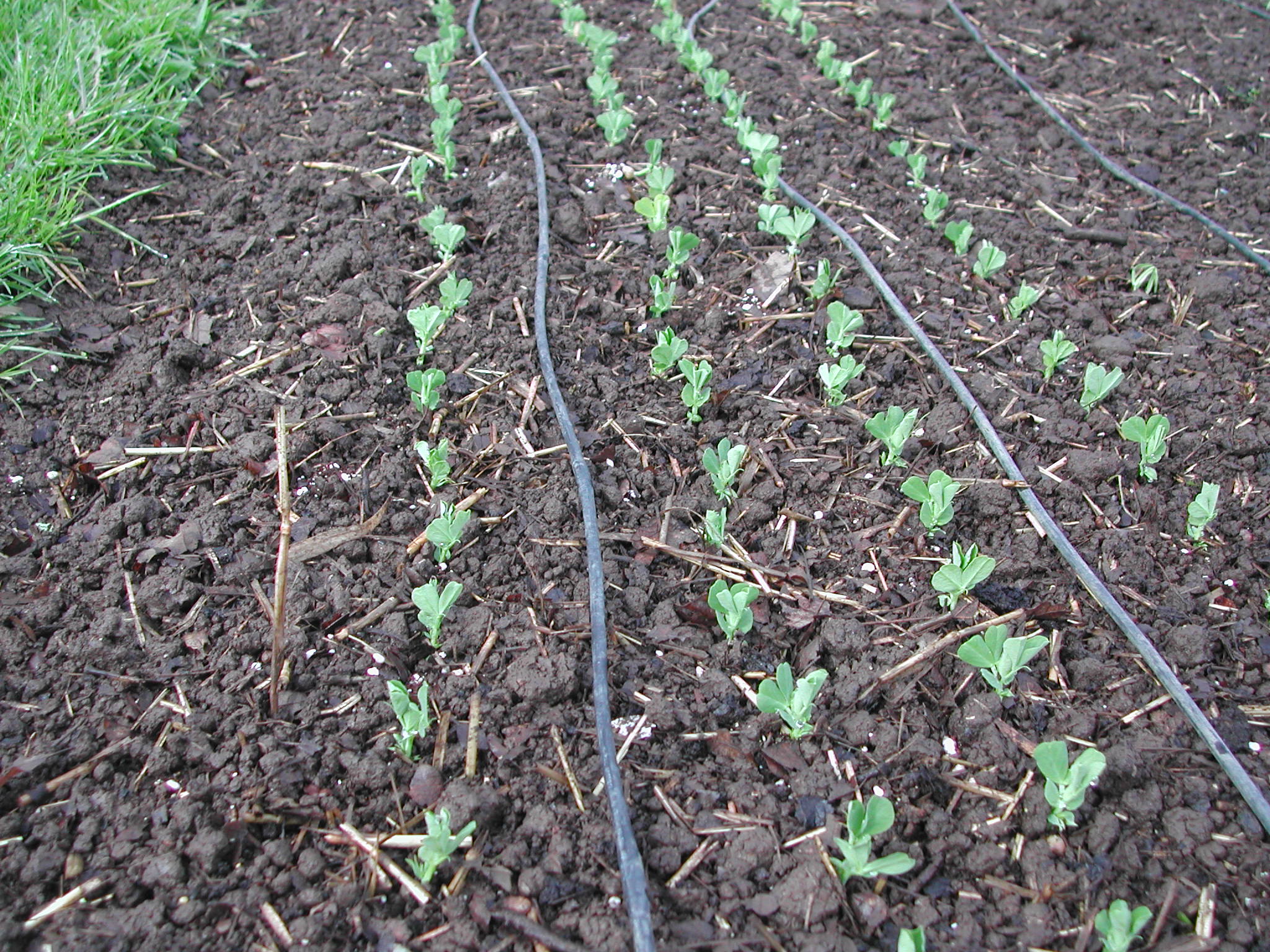
The second round of pea starts are in
We did take advantage of the few days of dry weather at the end of last week to do the second till on some of the vegetable beds, getting them ready to plant. The second round of pea starts went in on Saturday, onions on Monday, and beets and the last planting of peas (seeds this time) on Tuesday. I tried something new with the beets this year, instead of directly seeding outside, I started them inside. Last spring, after I had already planted my beets, I heard from another farm that they started their beets inside and transplanted them out.
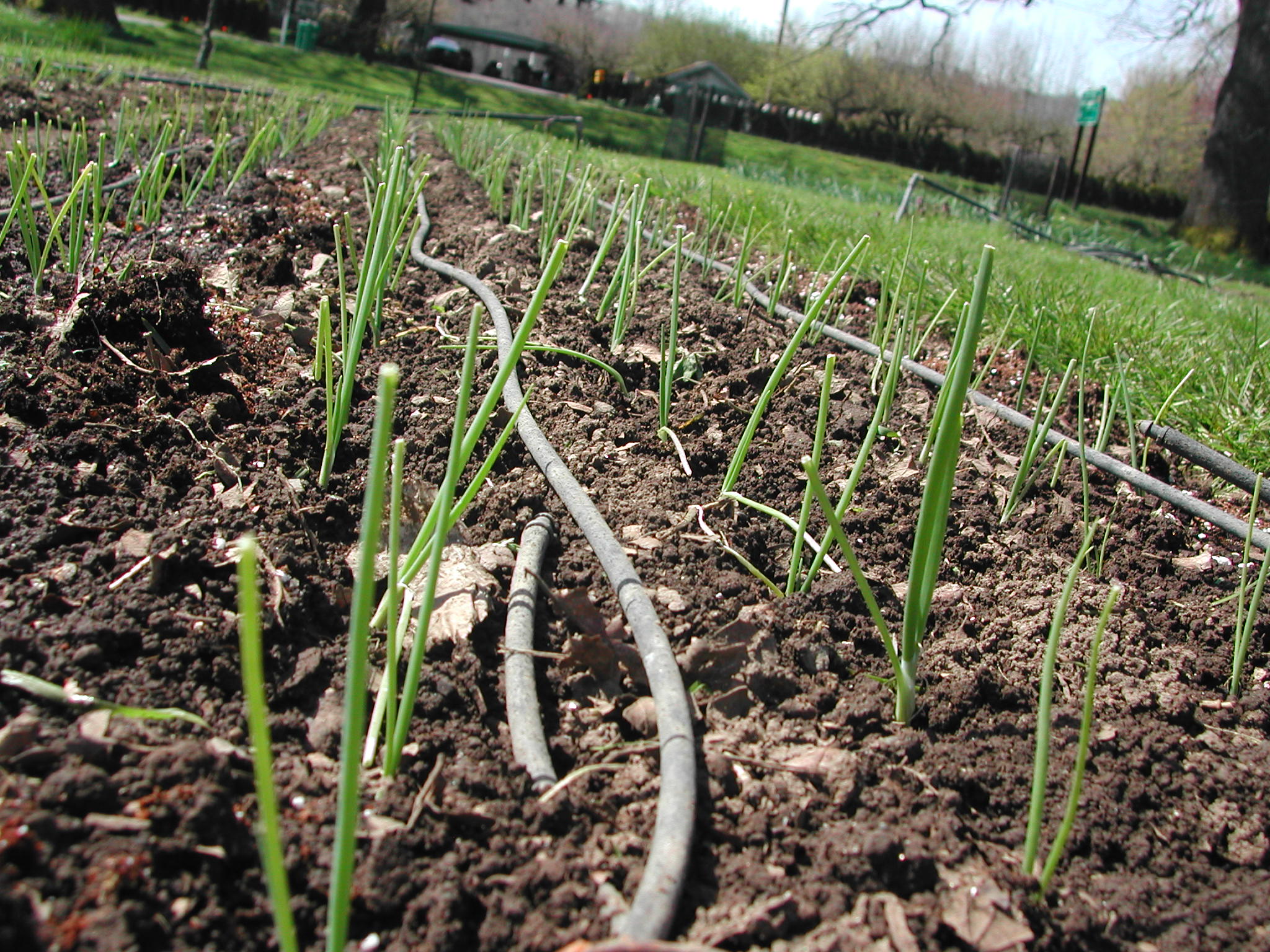
onion starts
Since I’m not crazy about thinning, I thought I would give this a try. We’ll see how it works. I am hoping they will size up a little faster, since I gave them more space than I usually did with direct seeding and thinning. Unfortunately, I did not start enough, so I still had to seed part of the bed. But, it won’t be so much thinning this time.
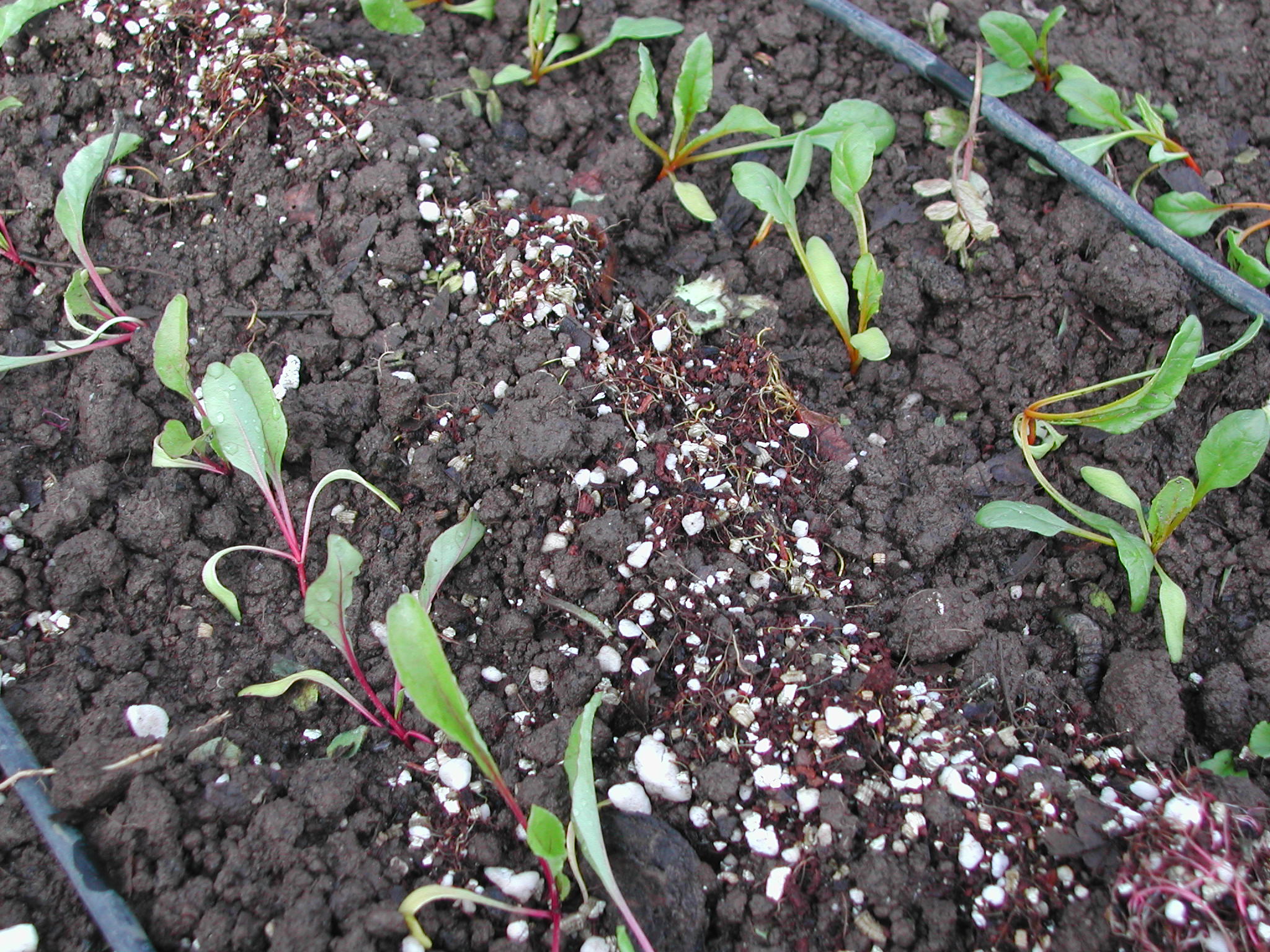
Trying out transplanting beets this year
The beginning of next week is looking good again, so more planting is on the way!
First Tilling
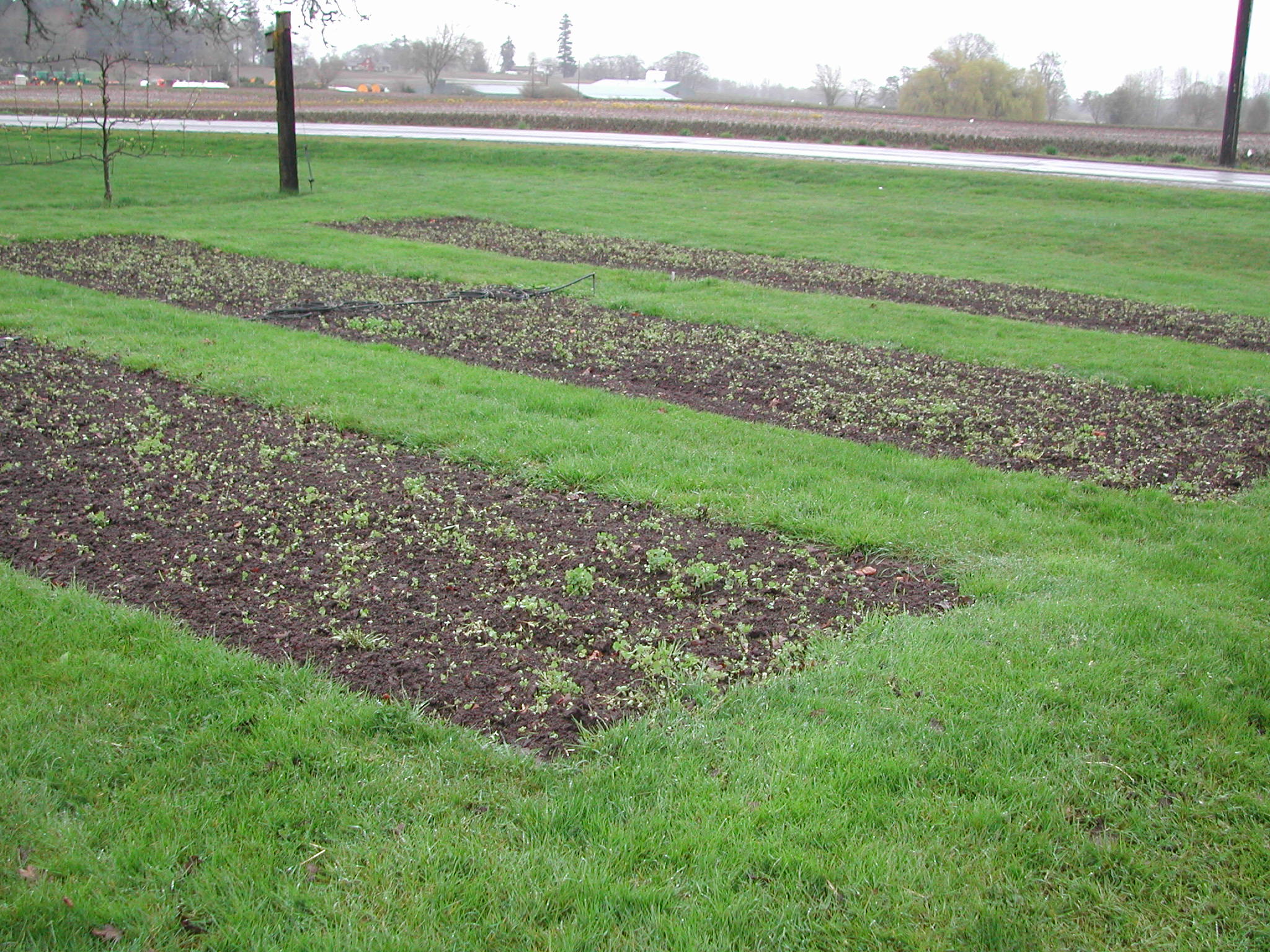
The main vegetable beds got their first till, working in the cover crop
The rain held off last Wednesday (in the last post, I said I thought it would rain), Thursday AND Friday. Yippee! When Steven got home Thursday, he came right out to till up a few beds. I would have preferred the beds had dried out more, but this was our chance. On Friday, he tilled a few more. Whew! The first till was done before it rained again on Saturday. The official count for March, according to the Portland HYDRA Network rain gage at Sauvie Island School: 4 dry days.
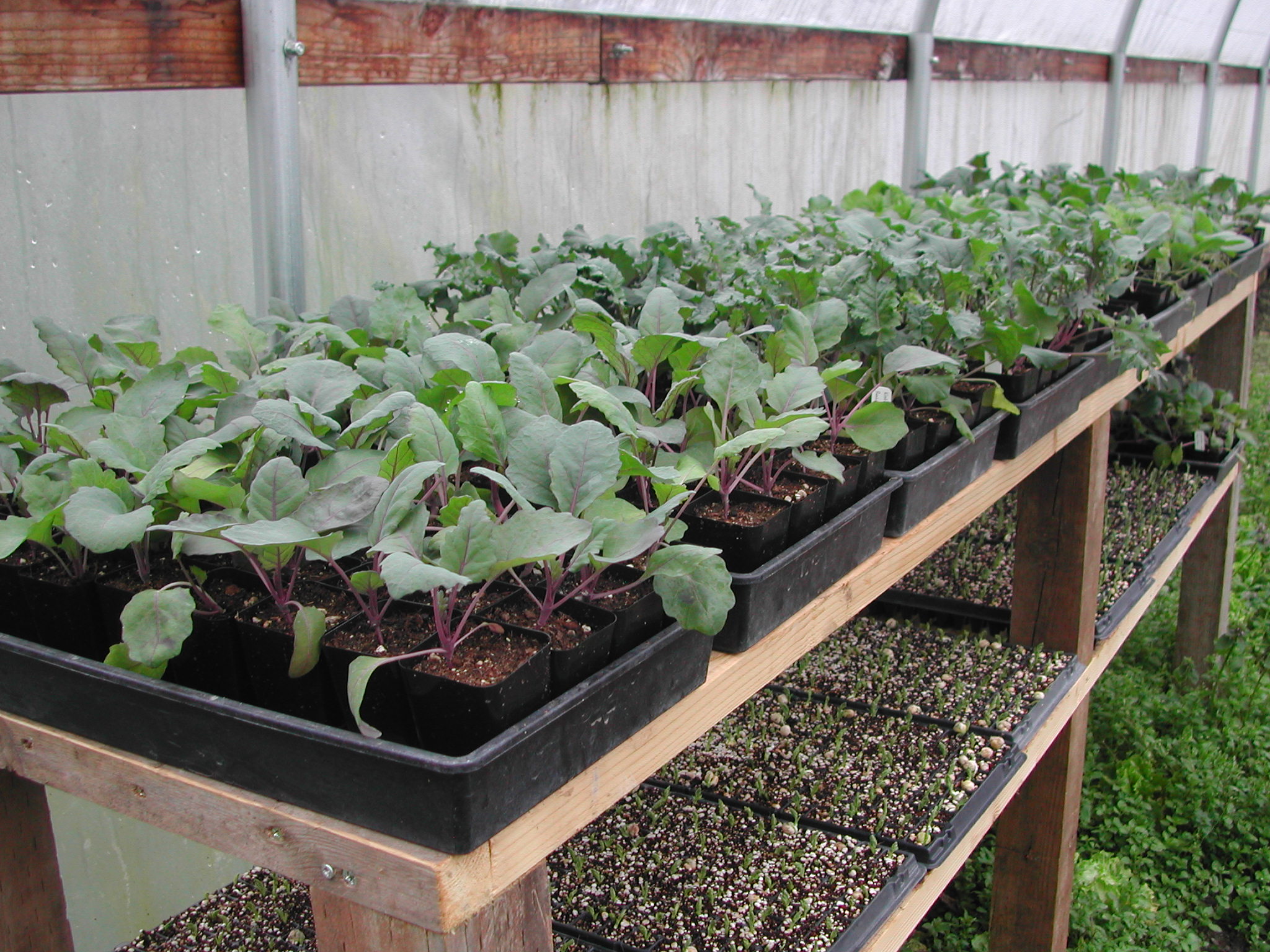
The starts in the hoop house are ready to go
Ideally, we’d wait two to three weeks before tilling again, to let the cover crop decompose a bit before starting to plant. Looking at the Accuweather forecast, maybe a few beds will get their second tilling this weekend and the planting will begin.
Meanwhile, the starts are growing and looking great!

I am very excited about the kohlrabi this year

 Bethel Springs Farm